US Inflation Hits 'Goose Egg' in Largest 6-Year Drop: Are Markets Ready for a New Rate Era?
ABD Tüketici Fiyat Endeksi (TÜFE), yatırımcıların en karanlık senaryolarını bile gölgede bırakarak Haziran ayında beklenmedik bir şekilde sert düştü v
The U.S. Consumer Price Index (CPI) delivered a staggering deflationary shock in June, shattering analyst expectations and offering the strongest signal yet that inflationary pressures are finally receding. On the floor of the CNBC, anchor Rick Santelli could barely contain his astonishment as the numbers crossed the wire, triggering immediate debates across trading floors regarding the durability of this disinflationary impulse.
The 'Goose Egg' Deflationary Print and Energy Collapse
The latest update from the Bureau of Labor Statistics (BLS) revealed an improvement that went far beyond consensus pricing. While the plunge in energy costs acted as a significant drag on the headline index, the true surprise emerged from the core metrics, stripping out the volatile food and energy sectors.
Washington's Narrative Shift on Cost-Cutting
Following the release, White House National Economic Council Director Kevin Hassett delivered a sharp critique of the forecasting establishment. Hassett pointed out that all 67 economists surveyed by Bloomberg had missed the mark, arguing that the market failed to price in the effectiveness of President Trump’s cost-reduction agenda beyond just energy fluctuations. He labeled the report "absolutely the best inflation report we have seen in six years," signaling a strong political victory.
From a macro strategy perspective, a flat Core CPI reading is a game-changer for the Fed's terminal rate projections. While the VIX typically reacts to volatility, this specific print suggests a structural easing of price pressures. We are likely to see a significant repricing in the S&P 500 options chain, particularly in rate-sensitive sectors, as the probability of a near-term rate cut increases. The reduction in input costs could act as a tailwind for upcoming corporate earnings, potentially stabilizing equity valuations.
Related News & Analysis
View All →
Bessent’s ‘D-Day’ Iran Sanctions Threat: Dubai Banks Stay Open, Flights Persist

UK Devolution: Cities Surge While Rural Areas Lag

Half a Year into the Iran War, Global Economy Pulls Off a 'Mission Impossible' Act, Trump Family Among the Winners

Official Unemployment Rate Falls While Functional Joblessness Hits New High
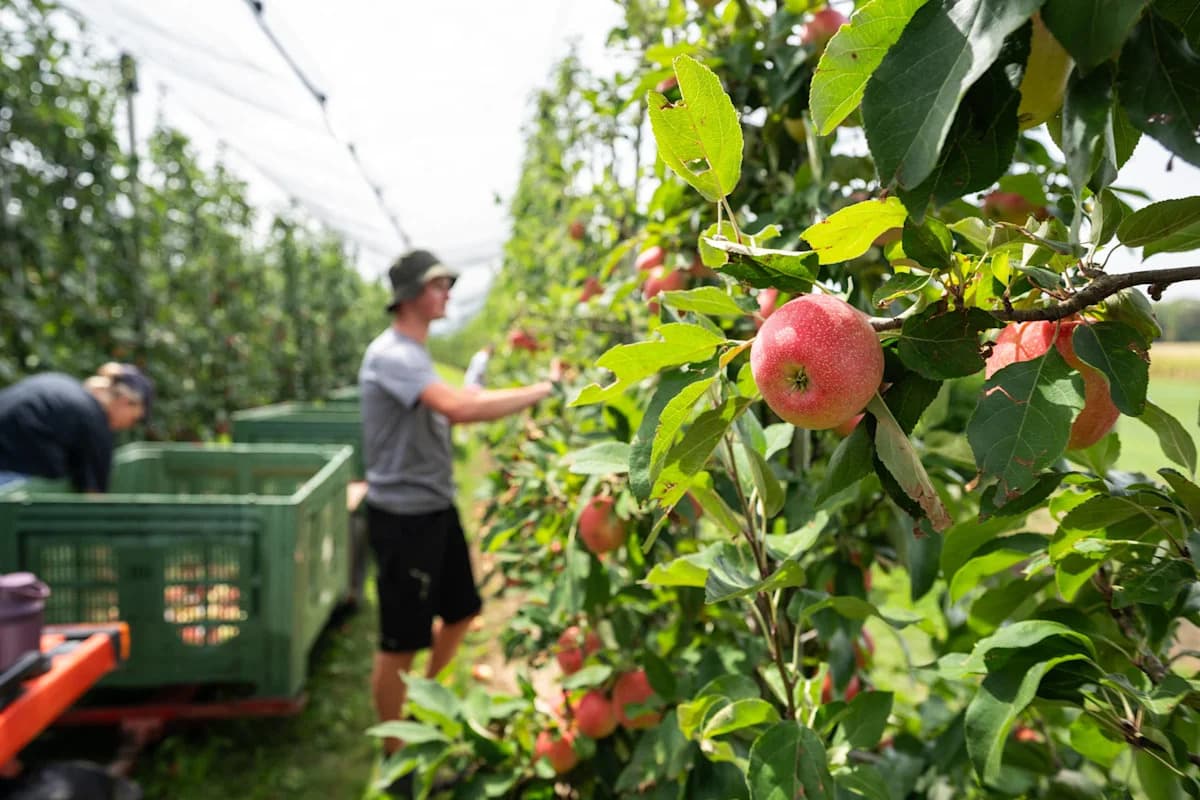
Washington Fruit Growers Trim Workforce: 928 H‑2A Workers Laid Off

Inflation’s New Face: The Warsh‑Bessent PhD Conundrum
Latest Market News
All News →
BİM’s April‑October Catalog: Price Shocks and Their Impact on Consumer Spending

Pusula Holding Boosts Liquidity and Risk Management with Up to TRY 10 Billion Katılımevim Share Purchase
Bessent’s ‘D-Day’ Iran Sanctions Threat: Dubai Banks Stay Open, Flights Persist

AKIS Real Estate Investment Co. Ltd.: The New Face of Urban Investment in Turkey

KaradenizBIRLIK Launches Sunflower Procurement Drive: 35k Tons Target and TL122M Support