
Gram Gold Decline Amid Geopolitical Risks and Oil Price Surge
Gram altın, hafta başında **6 bin 125,52 liradan** işlem görerek önceki kapanışa göre %1,53 azalış gösterdi. Aynı dönemde çeyrek altın **10 bin 72 lir
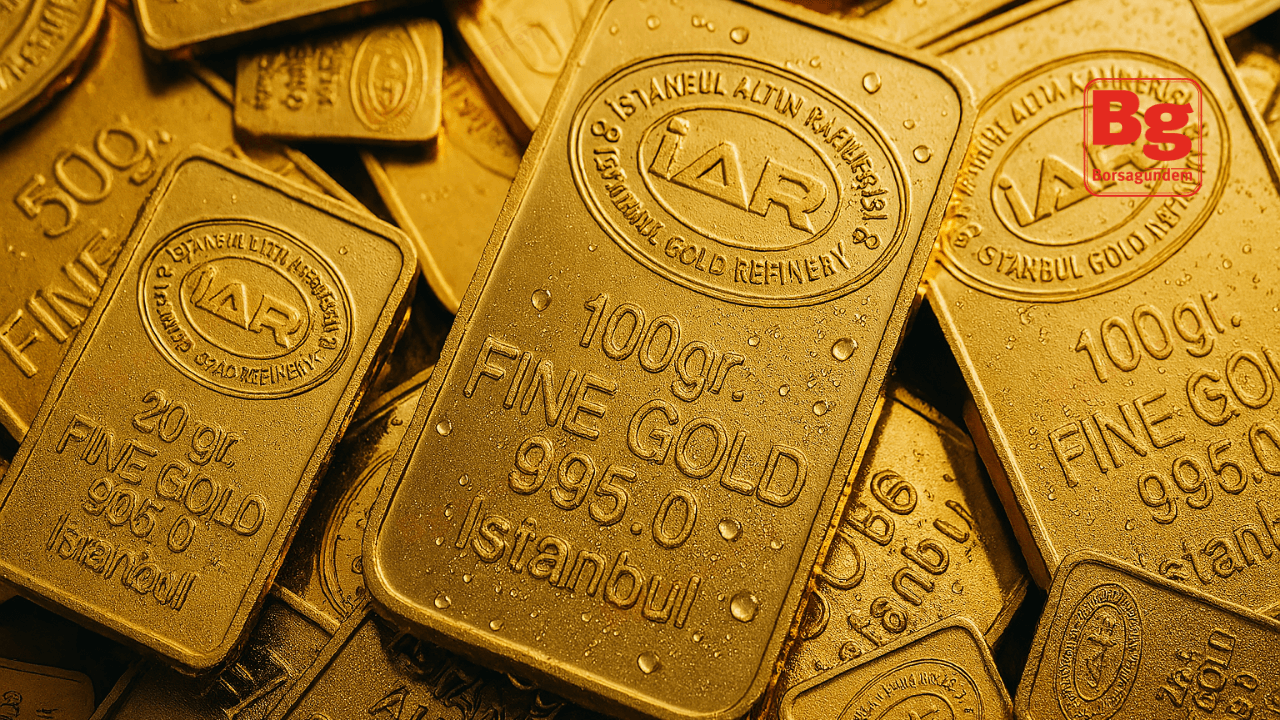
Gram gold opened the week with a decline, trading at 6,125.52 lira and marking a 1.53% drop from the previous close. Quarter gold and Cumhuriyet gold were sold at 10,720 lira and 40,132 lira respectively. Meanwhile, the ounce price of gold retreated to 4,505 dollars, reflecting broader market tensions.
Escalating Tensions in the Hormuz Strait and Oil Price Surge
The U.S. Central Command (CENTCOM) confirmed the launch of a third attack round on commercial vessels in the Hormuz Strait, escalating regional conflicts. In response, Iran intensified strikes against Gulf states, pushing geopolitical risks to new highs. Brent crude oil prices surged 4.1% to 79.1 dollars per barrel, reigniting inflationary concerns amid rising energy costs.
Central Bank Stance and Currency Market Shock
Rising Treasury yields and a stronger dollar exerted downward pressure on gold prices. The U.S. 10-year Treasury yield climbed to 4.59%, while the dollar index edged up 0.1% to 101.1. This dynamic underscores a cautious monetary policy stance amid geopolitical uncertainties and inflationary pressures.
Current Account Projections and Inflation Outlook
Economists project Turkey's current account deficit to reach 1.1275 billion dollars in May, with an annual deficit forecast of 52.255 billion dollars. These projections highlight persistent currency volatility and sustained inflationary pressures in the near term.
Volkan Şen Analysis: The decline in gram gold prices reflects the confluence of a stronger dollar and rising Treasury yields, creating a challenging environment for precious metals. Geopolitical risks are prompting investors to prioritize short-term stability over long-term hedges, while oil price surges are amplifying global inflation fears. Smart money is likely to monitor the interplay between energy markets and precious metals closely, as altın's role as an inflation hedge faces renewed scrutiny. Expect heightened volatility in commodity and currency markets as geopolitical and macroeconomic factors remain in focus.
Related News & Analysis
View All →
ForInvest Opening Survey Results: Smart Money's New Direction
Stock Market Opens Higher: A New Arena for Investors
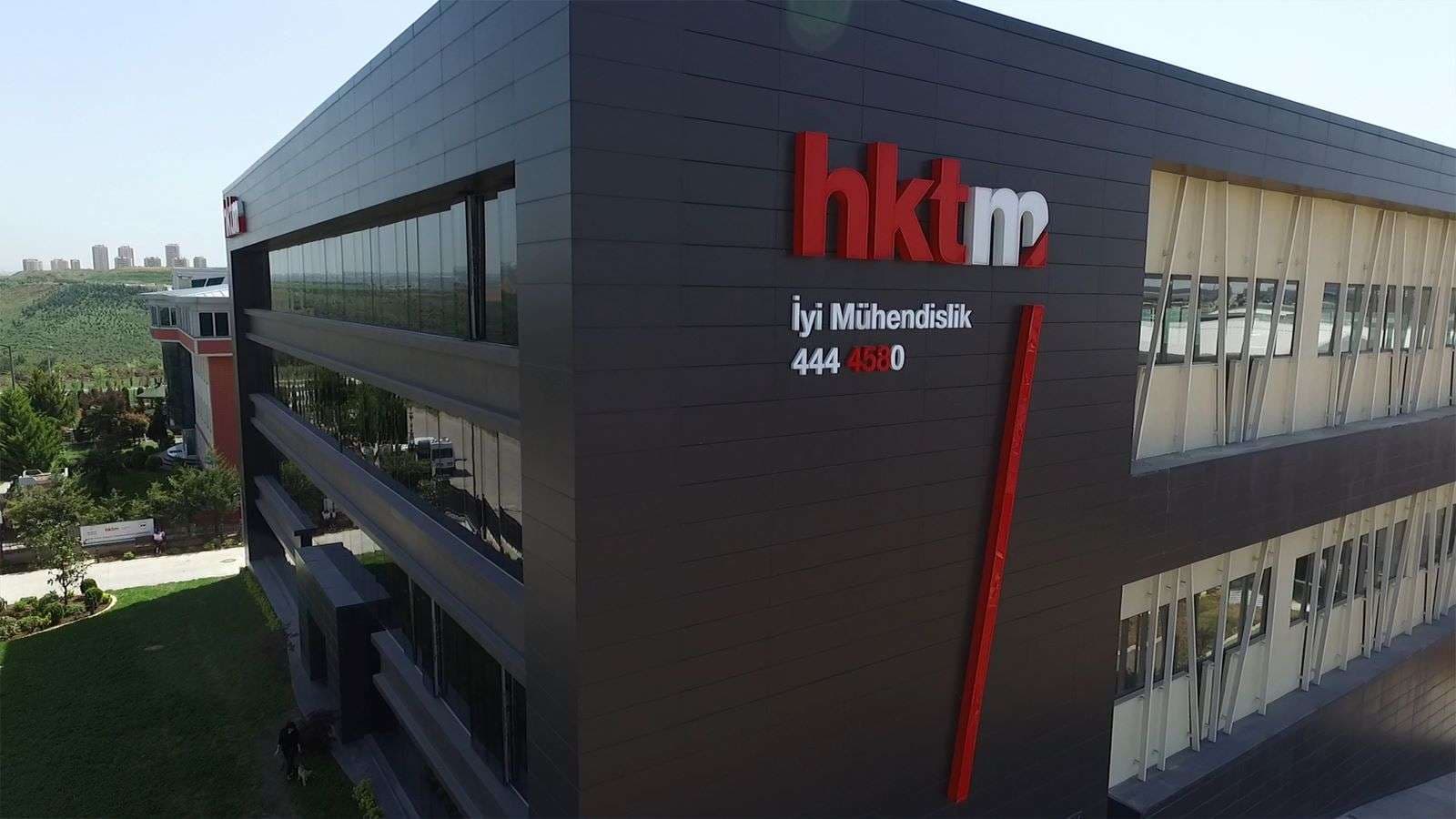
Control Shift at Hidropar: Süleyman Şemdinoğlu Secures 57% Vote to Lead Board

HP Gelirlerinde Patlama: %12,5 Artış ve 2026 Hedefi Yükseltti
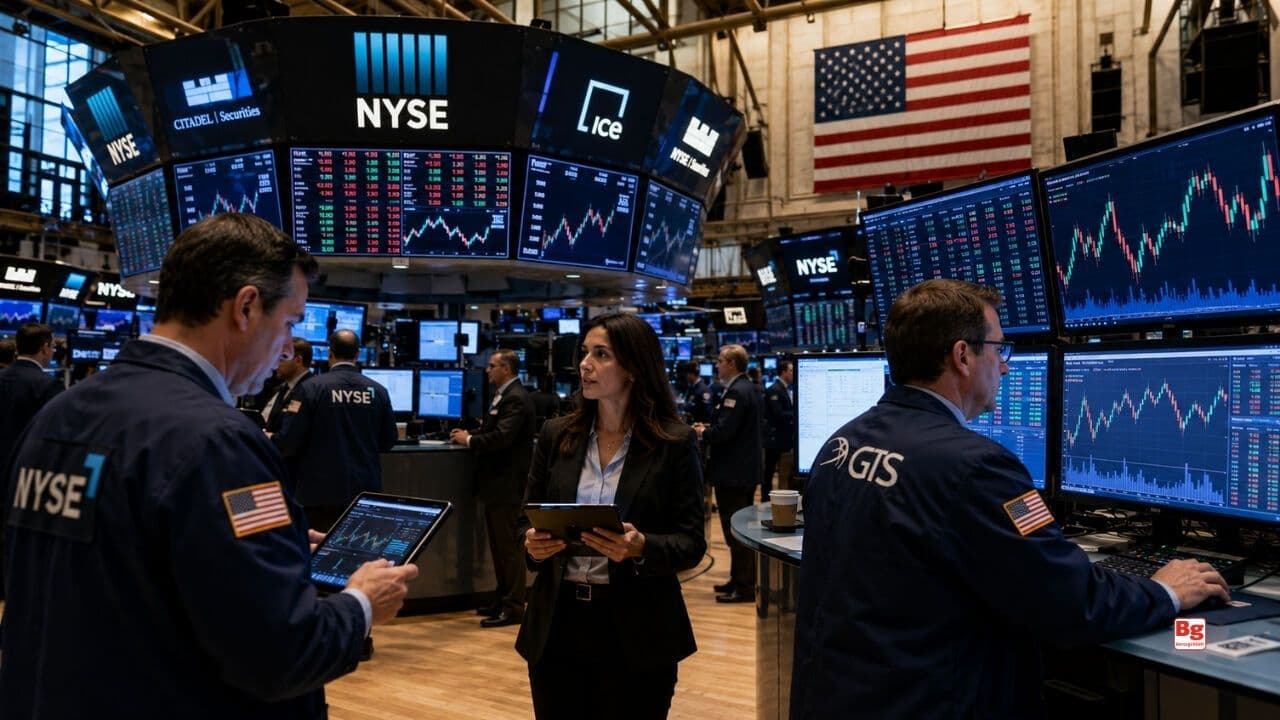
Inflationary Headwinds Batter Wall Street: New York Stocks Retreat

Salesforce & Anthropic Unveil “Claudeforce”: A New Pivot in Enterprise AI
Latest Market News
All News →![[FAIRF] FAİR FİNANSMAN A.Ş.
Şirket Genel Bilgi Formu - Şirket Genel Bilgi Formu](/_next/image?url=%2Fuploads%2Fkap-default.png&w=3840&q=75)
[FAIRF] FAİR FİNANSMAN A.Ş. Şirket Genel Bilgi Formu - Şirket Genel Bilgi Formu
[DAGI] DAGİ GİYİM SANAYİ VE TİCARET A.Ş. Özel Durum Açıklaması (Genel) - Mağaza Açılışı Hk.
[VESBE] VESTEL BEYAZ EŞYA SANAYİ VE TİCARET A.Ş. Pay Dışında Sermaye Piyasası Aracı İşlemlerine İlişkin Bildirim (Faiz İçeren) - Nitelikli Yatırımcılara Satılmak Üzere Sabit Kuponlu Finansman Bonosu İhracının Tamamlanması
[VESTL] VESTEL ELEKTRONİK SANAYİ VE TİCARET A.Ş. Pay Dışında Sermaye Piyasası Aracı İşlemlerine İlişkin Bildirim (Faiz İçeren) - TRSVSTL82614 ISIN Kodlu Tahvilin Kupon ve Anapara Ödemesi Hakkında