Shrinking Traffic in the Strait of Hormuz: The Tipping Point for Global Oil Flows
724FinanceUfuk Tepe
Key Highlights
İran‑ABD gerilimlerinin doruğa çıktığı bir dönemde, **84** geminin Hürmüz Boğazı'ndan geçişi, önceki yılın aynı döneminde **900**'den fazla geminin ak
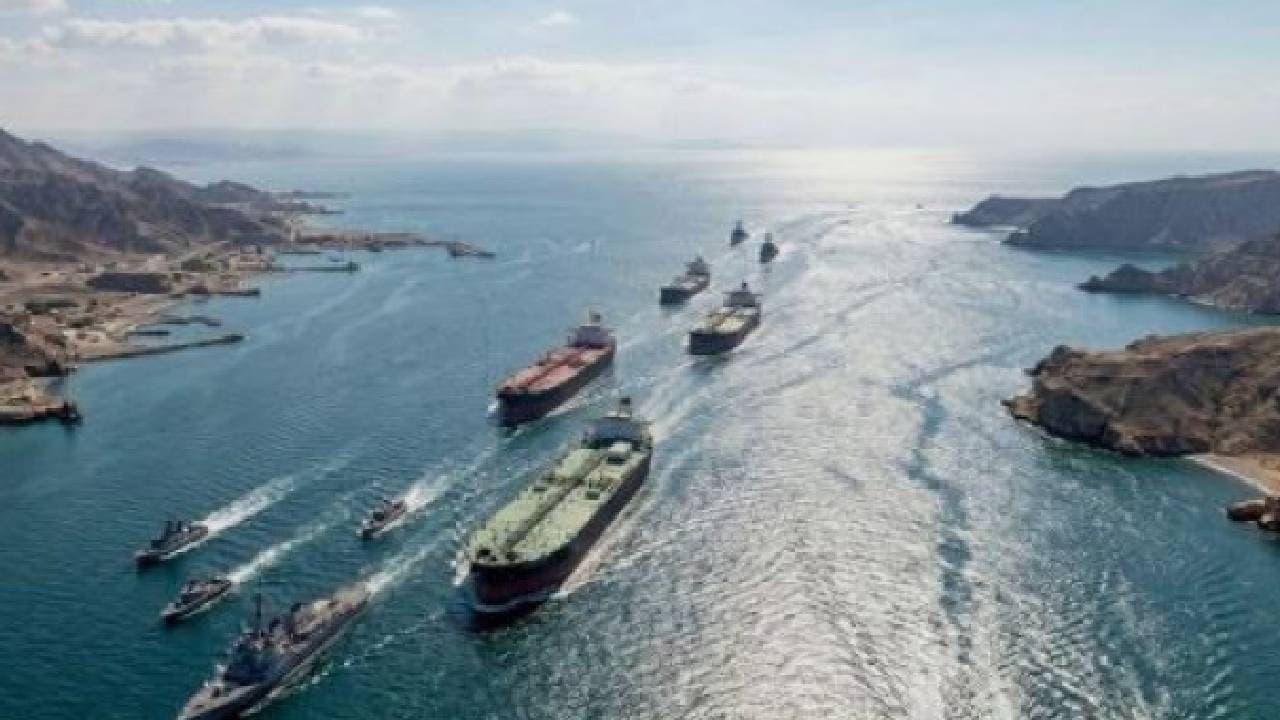
Amid heightened Iran‑U.S. tensions, 84 vessels traversed the Strait of Hormuz, a stark decline from 900+ ships in the same period last year.
War Shadows Over the Strait
Who Sails Under Which Flag?
Pipelines: Limits of the Alternative Route
Economic Calculus: The Price of Risk
Analyst Insight (Ufuk Tepe): The Strait of Hormuz remains a strategic bottleneck. Alternative pipeline capacity is insufficient to dampen short‑term price spikes. Investors must embed geopolitical risk into risk‑reward models, revisiting cash‑flow forecasts for energy firms. Lack of transparency in fleet registries—particularly for Greek, Indian, and Chinese operators—questions AIS data reliability, potentially inflating premiums on near‑term oil futures and straining derivative market liquidity.
Related News & Analysis
View All →
Paramount Extends Debt Exchange Timeline to Boost Financial Flexibility

U.S. Expands Import Ban, Adding 43 Chinese Firms Amid Uyghur Forced Labor Restrictions

TL’s Dance with the Dollar: 47.57 TL, 54.90 Euro – New Dynamics in Forex Markets

Paradigm Shift in Marriage Economics: Income Trumps Degree

BIM's Retail Strategy Shift: Consumer Electronics Push with Philips and Kumtel

Şok's August Strategy: Price Competition and Demand Management in the Retail Sector
Latest Market News
All News →
Reform UK’s Financial Web and Political Ties

The California Chip Deal: NXP’s $3 Billion Pursuit of Ambarella

Turkey‑China Auto Tariff Clash: WTO Dispute and Market Fallout

Flapping Airplanes Raises Funding Talks at $5 Billion Valuation, Pioneering Data-Efficient AI

Turkey Sets Construction Record Post-Quake: 23 Homes per Hour