Concrete Sector's 2026 Spring: Financing Constraints and Rate Expectations
724FinanceRüzgar Ersoy
Key Highlights
Türkiye'nin inşaat demiri olarak konumlanan hazır beton sektörü, 2025 yılında derinleşen talep daralması ve belirsizlik atmosferinin ardından, 2026 it
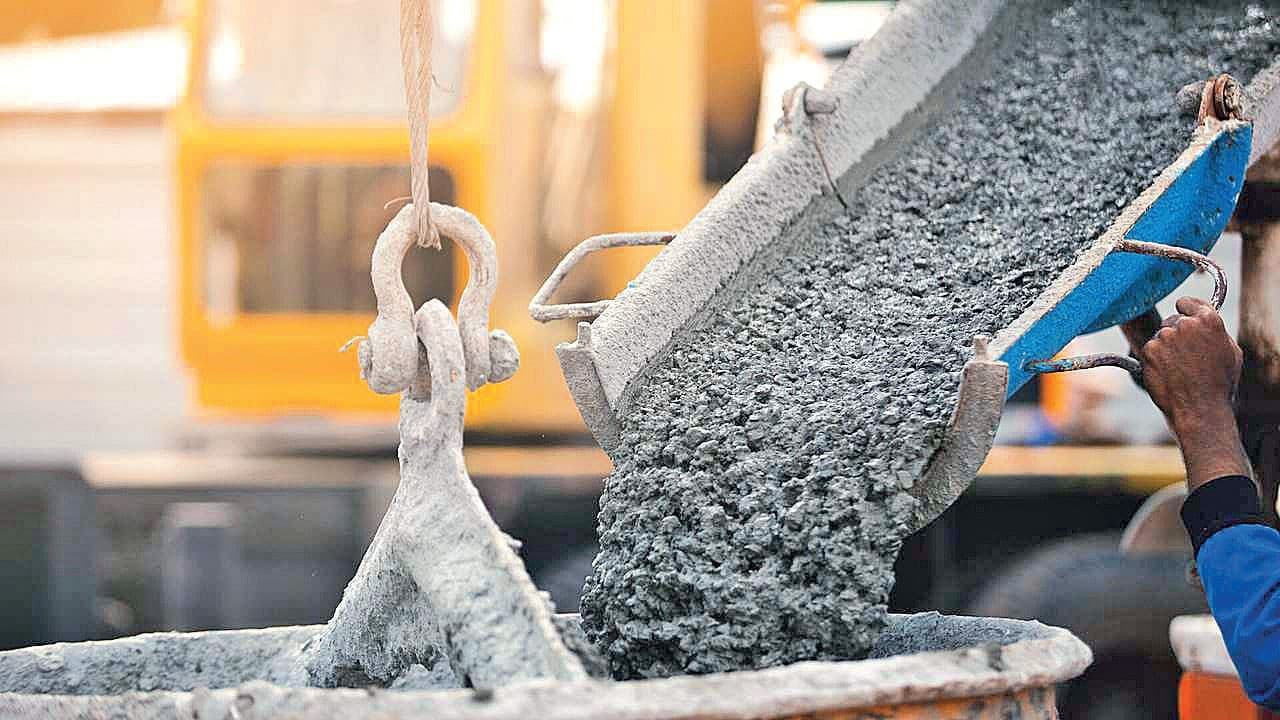
Positioned as the reinforcing bar of Turkey's construction industry, the ready-mix concrete sector is making a strategic pivot towards the anticipated interest rate reduction scenario by central banks for 2026, following a year of deepening demand contraction and uncertainty in 2025. Industry representatives suggest that the easing of cash flows with the launch of stalled projects will only be sustainable if the decline in financing costs becomes permanent.
Investment Freeze and the 2026 Vision
Throughout 2025, housing projects were postponed due to lack of demand and high costs, while industry representatives are mapping out a revised roadmap for the coming year. This waiting period continues to exert pressure on inventory management and operational efficiency.Liquidity Pressure in Capital Markets
The most critical issue on the production side is the deepening difficulty in accessing financing. The credit tightening in the banking system and the high-interest environment continue to negatively impact the capital adequacy and investment budgets of ready-mix concrete producers.Construction and real estate loans constitute a significant portion of the banking sector's portfolio. The financing access issue in the ready-mix concrete sector actually signals the contraction in commercial credit volume and risks in asset quality for banks. The expected interest rate cut in 2026 may compress Net Interest Margins (NIM) in the short term, but this loss could be offset by volume growth through the revival in credit demand. The sector's recovery will also positively impact banks' commercial credit risk premiums and non-performing loan ratios.
Related News & Analysis
View All →
US Beef Import Quota Expansion Aims to Ease Price Pressure
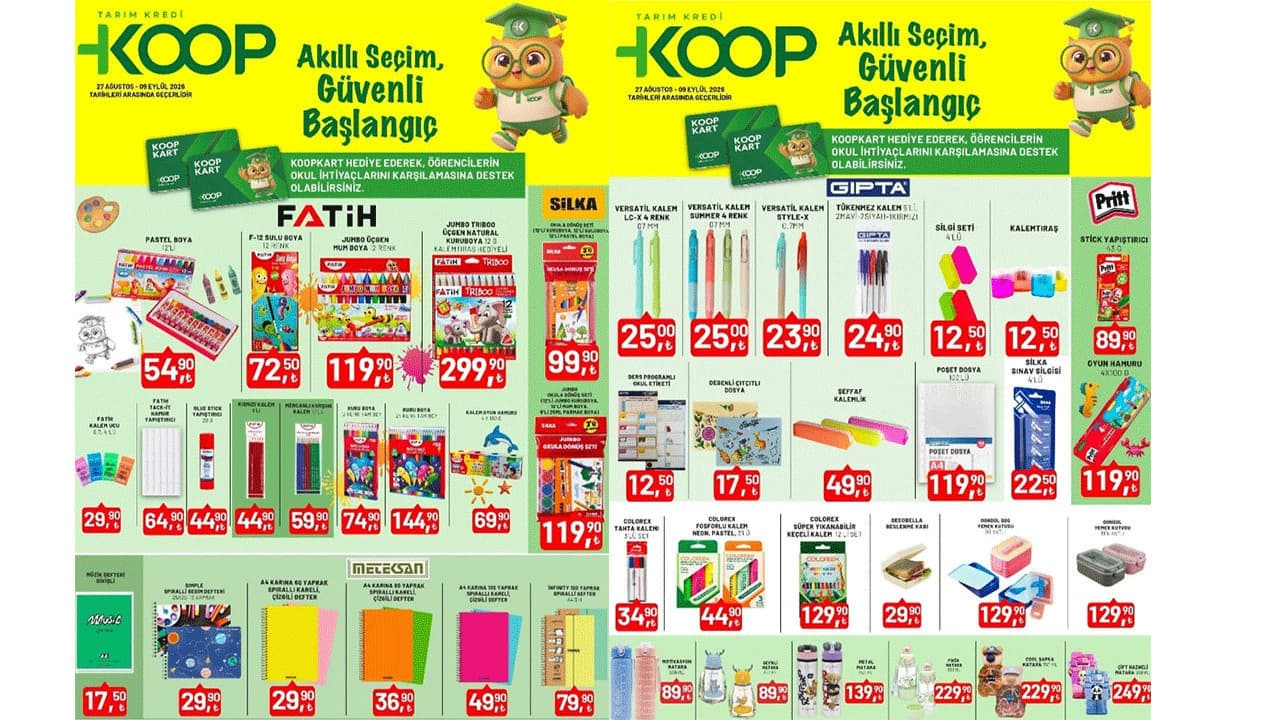
Tarım Kredi Market Launches Major Back‑to‑School Discount Campaign
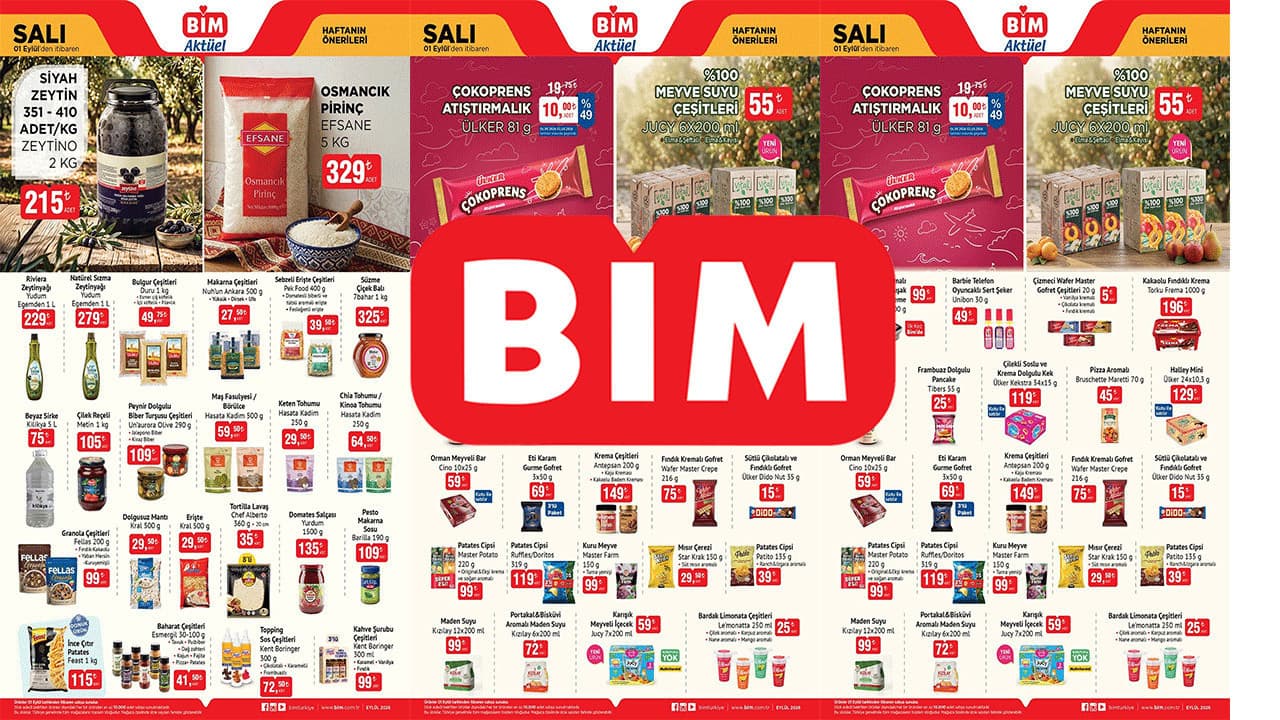
BİM Slashes Food and Detergent Prices: A Fresh Turn in Turkey’s Inflation Landscape

Apple Unveils Foldable iPhone: A Tech Revolution with Market Implications

İZTO Announces Özgener’s Re‑Nomination as Chairman
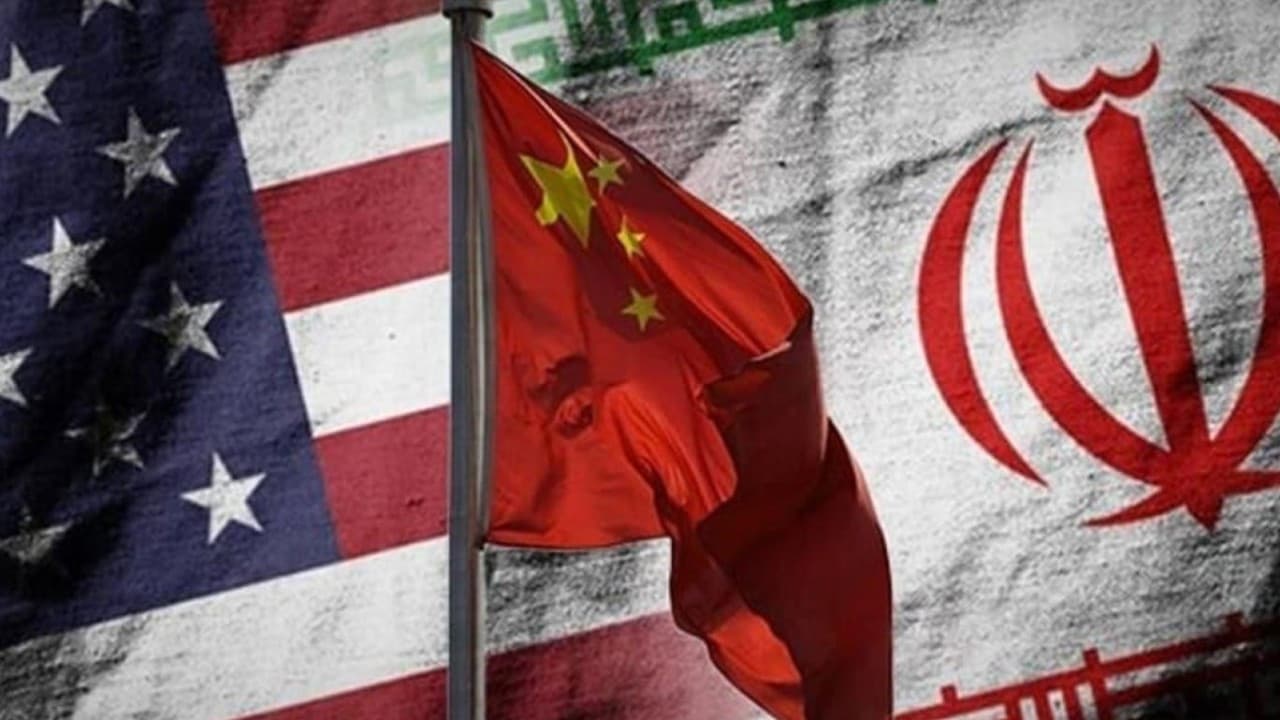
Iran’s Economic Tightrope: Hariri’s Critique of U.S. Sanctions
Latest Market News
All News →US Beef Import Quota Expansion Aims to Ease Price Pressure

Jacobs Solutions Stock Analysis: AI‑Driven Growth and Wall Street Outlook

MSCI's Unexpected Turkish Index Revision: Three Out, Three In
![[HKTM] HİDROPAR HAREKET KONTROL TEKNOLOJİLERİ MERKEZİ SANAYİ VE TİCARET A.Ş.
Özel Durum Açıklaması (Genel) - Şirket Çoğunluk Paylarının Satışının Tamamlanması](/_next/image?url=%2Fuploads%2Fkap-default.png&w=3840&q=75)
[HKTM] HİDROPAR HAREKET KONTROL TEKNOLOJİLERİ MERKEZİ SANAYİ VE TİCARET A.Ş. Özel Durum Açıklaması (Genel) - Şirket Çoğunluk Paylarının Satışının Tamamlanması

Dolly Parton's 78-Year-Old Business Empire: Wisdom, Talent and Diversification