
The Blue State Gasoline Premium: How Policy Choices Shape Energy Costs
724FinanceEge Kaan
Key Highlights
Enerji Piyasaları Araştırmaları Enstitüsü'nün (Institute for Energy Research) son raporu, Amerika Birleşik Devletleri'ndeki benzin fiyatlarındaki kesk

A groundbreaking study by the Institute for Energy Research decodes the sharp divergence in gasoline prices across the United States, revealing that state-level policy choices rather than global oil dynamics are the primary drivers behind the cost disparities between blue and red states.
The Regulatory Price Tag
The analysis highlights that regions categorized as "Blue States," typically characterized by stricter environmental regulations, face significantly higher pump prices compared to their "Red State" counterparts. This price chasm is fueled by a mix of taxation and compliance costs.Ripple Effects on Logistics and Trade
This regional polarization in fuel prices does not merely impact household budgets; it reverberates through the logistics network, influencing transportation costs and feeding into broader inflationary trends.From a global supply chain standpoint, these state-level regulations create a bifurcated energy market. As fuel costs remain the primary expense in freight operations, the internal volatility within the U.S. market introduces an additional layer of risk and cost uncertainty to logistics planning. The politicization of energy supply security poses a complex challenge for central banks and economists attempting to navigate inflationary pressures that are increasingly driven by regional policy divergences rather than macroeconomic trends alone.
Related News & Analysis
View All →
Beyond the Code: a16z Deploys $1.1B 'Machine Age' Fund to Build AI's Physical Backbone
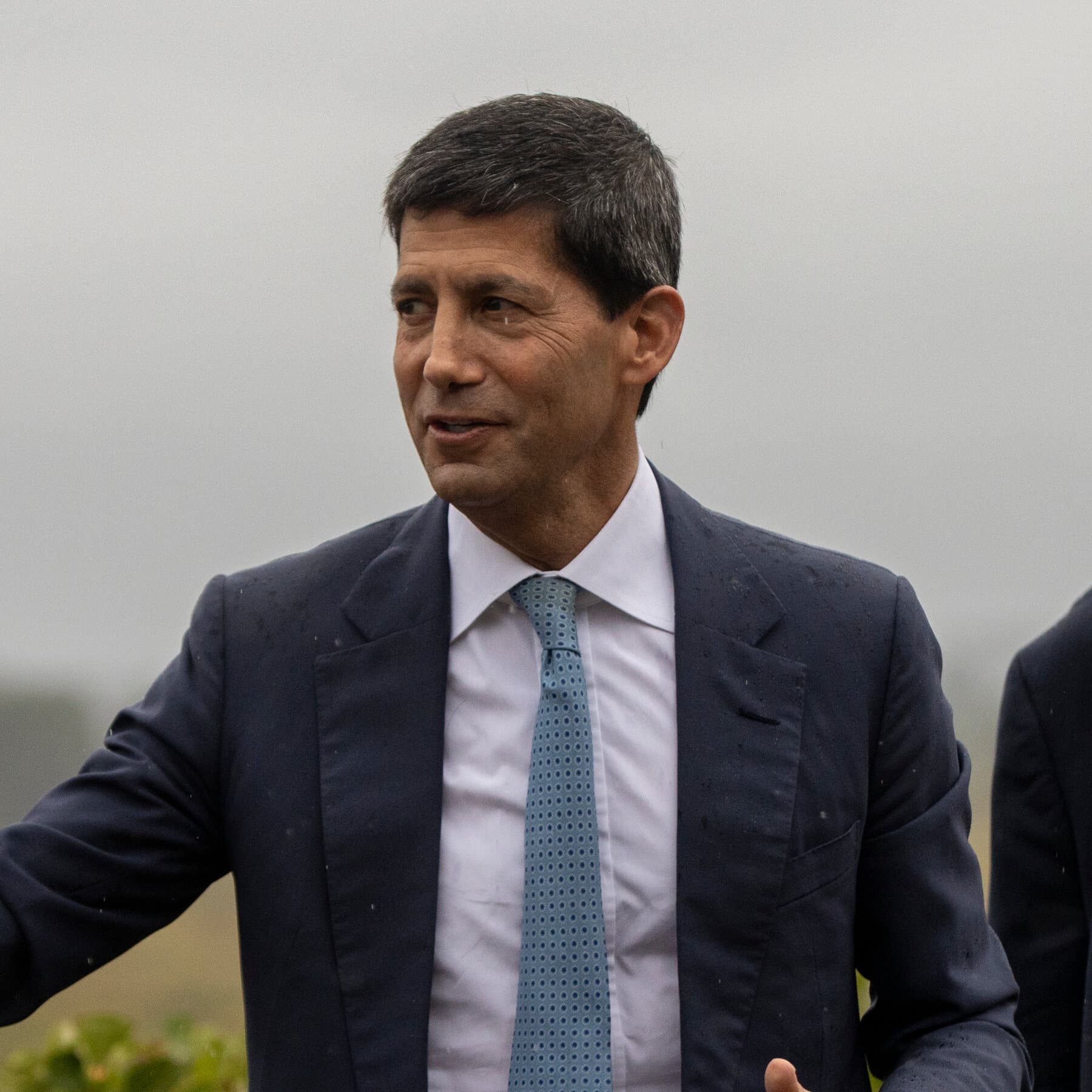
Fed Chair’s Inflation Pledge Fuels Fresh Rate Hike Expectations

Fed's New Winds: Warsh's Commitment to Stability Guides Markets

Trump Göl Adını Değiştirirken Kanada'ya 50% Tarife Uyguladı: Ticaret Savaşı Yeniden Ateşlendi

Carney Removes Canada From the Menu: Crafting a New Global Trade Order

Keysight Breaks $2B Order Record, Margin Surge Fuels Investor Interest
Latest Market News
All News →
USDC Makes Premier League Debut: Chelsea's Jerseys Rebranded with a Stablecoin

US Cities Clamp Down on AI Data Centers’ Water Use: Austin Leads New Regulations
Renters Reign: How Gen Renter Is Ending the Homeownership Dream
Beyond the Code: a16z Deploys $1.1B 'Machine Age' Fund to Build AI's Physical Backbone
The New Threat to Retirement Plans: Stock Market Crash and Inflation Are Outdated Risks