
SpaceX’s Business Model and Iron Grip: How Founder Control Reshapes Public Markets
SpaceX’in rekor kırdığı IPO’si, kamu piyasalarına kader değiştiren teknoloji şirketlerinden birine açık kapı bıraksa da, eşit oy hakkı sunmadığı için
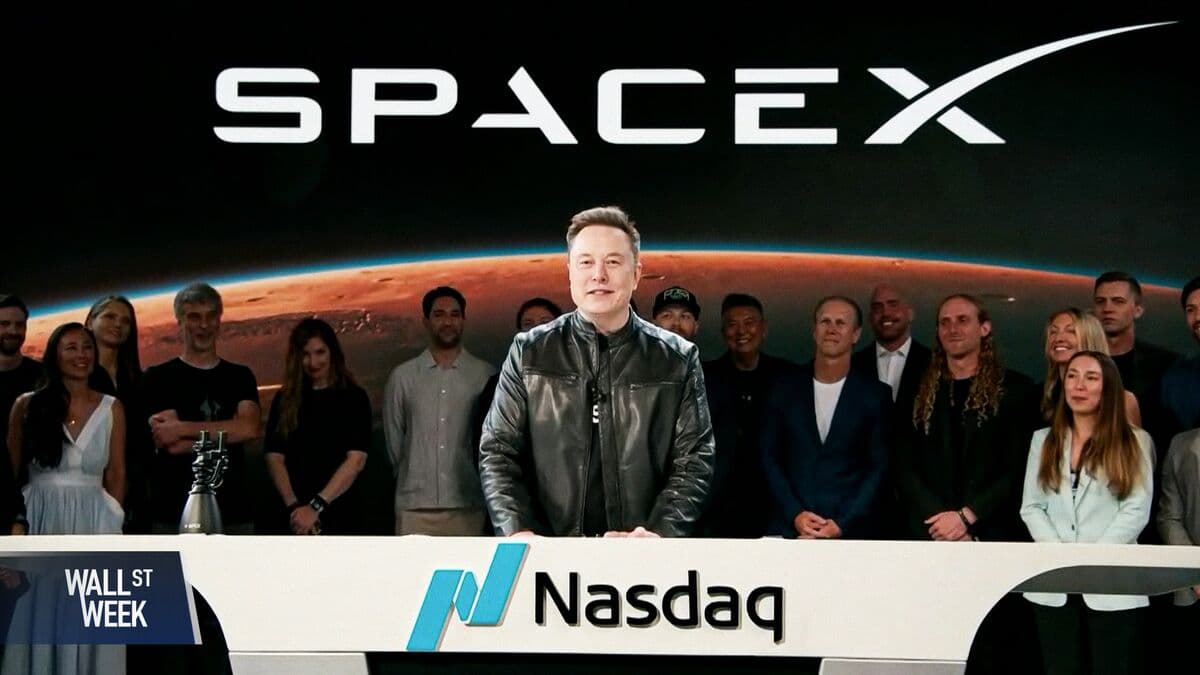
SpaceX’s record-breaking IPO opened public markets to one of the world’s most valuable tech firms, yet its unequal voting structure has sparked controversy. CEO Elon Musk holds just over 40% of the company’s equity while controlling more than 80% of the vote. While IPO adviser Lise Buyer argues that dual-class shares shield founders from short-term market pressures, Harvard Law School’s Lucian Bebchuk warns that SpaceX’s framework escalates risks around accountability, succession, conflicts of interest, and shareholder value. Institutional investors like Denmark’s AkademikerPension have already boycotted the stock, calling it a ‘catastrophic governance’ case study. The move tests how much control public markets will cede to superstar founders.
Rising Risks of Dual-Class Shares
Implications for Valuation and Market Behavior
Ege Kaan’s Analysis: SpaceX’s structure creates a seismic shift in U.S. IPO dynamics, challenging investor confidence in non-democratic frameworks. The setup may amplify volatility during Earnings Season, testing whether markets will tolerate ‘star founder’ dominance indefinitely. This case underscores a critical inflection point in corporate governance and shareholder rights.
Related News & Analysis
View All →
Samsung to Pay Swatch $11.6 Million Over Copycat Smartwatch Apps
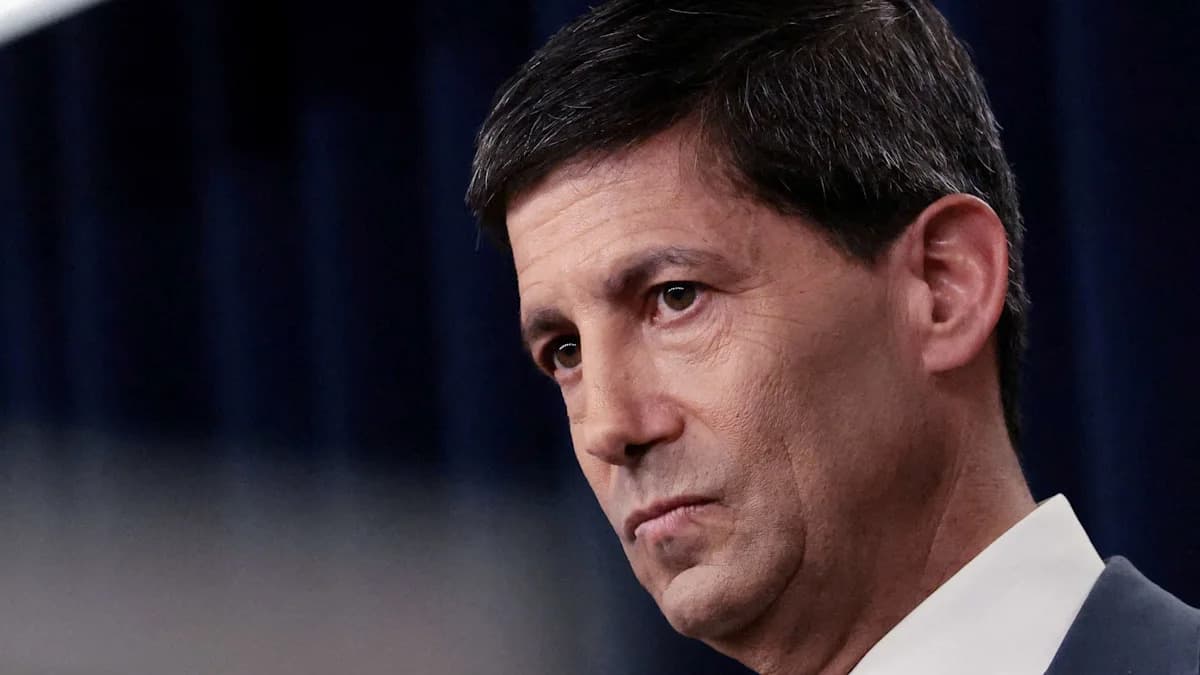
Fed’s PCE Inflation: Uncertain Rate Path Ahead of Jackson Hole

QueryStory Secures $6M Seed to Reshape Query Market

How the US‑Canada Trade War Is Reshaping Retail Prices and Inflation Outlook

July PCE Inflation Stays Elevated Amid Energy Surge
US Futures Hold Steady as Inflation Data and Nvidia Earnings Shape Market Outlook
Latest Market News
All News →![[IDGYO] İDEALİST GAYRİMENKUL YATIRIM ORTAKLIĞI A.Ş.
Sermaye Artırımı - Azaltımı İşlemlerine İlişkin Bildirim - Bedelli Sermaye Artırımı Başvurumuz hakkında](/_next/image?url=%2Fuploads%2Fkap-default.png&w=3840&q=75)
[IDGYO] İDEALİST GAYRİMENKUL YATIRIM ORTAKLIĞI A.Ş. Sermaye Artırımı - Azaltımı İşlemlerine İlişkin Bildirim - Bedelli Sermaye Artırımı Başvurumuz hakkında
[PAHOL] PASİFİK HOLDİNG A.Ş. Payların Geri Alınmasına İlişkin Bildirim - Pay geri alımı hakkında
[HKTM] HİDROPAR HAREKET KONTROL TEKNOLOJİLERİ MERKEZİ SANAYİ VE TİCARET A.Ş. Kurumsal Yönetim Bilgi Formu (Güncelleme) - Yönetim Kurulu-2 - Yönetim Kurulu Komitelerinde Yapılan Degişiklik Hakkında.
[OYA, OYYAT] OYAK YATIRIM MENKUL DEĞERLER A.Ş. Piyasa Yapıcılığı Kapsamında Gerçekleştirilen İşlemler Bildirimi / OYAYO - 26/08/2026 TARİHLİ OYAYO PİYASA YAPICILIĞI İŞLEMLERİ
[ATSYH] ATLANTİS YATIRIM HOLDİNG A.Ş. Özel Durum Açıklaması (Genel) - Gönüllü Pay Alım teklifi Fiyatının 104,00 TL olarak revize edilmesi