
United Airlines' Premiumization Strategy: How Passengers Tolerated Fare Hikes
United Airlines, yıllarca yolcuları daha iyi koltuklar ve hizmetlerle daha fazla ödemeye ikna etmek için çalıştı. ABD-İran çatışması sırasında yakıt m

United Airlines has spent years convincing passengers to pay more for better seats and services. Amid rising fuel costs due to the U.S.-Iran conflict, the airline raised fares and intensified its 'premiumization' strategy, driving second-quarter operating revenue up 16% to $17.7 billion. CEO Scott Kirby told Wall Street analysts that demand is strong, and United's brand loyalty strategy is working. The airline expects fuel costs to balloon by nearly $6 billion this year. United is accelerating investments in the customer experience from nose to tail. Revenue from premium seats rose 16% year-over-year, while basic economy revenue grew 11%. United plans to offer Starlink Wi-Fi on 1,000 planes by year-end. The airline is testing a shared table in economy plus rows, leaving the middle seat empty. Even after adjusting for inflation, ticket prices remain 13% below pre-pandemic levels. United attributes fare increases to cost hikes beyond fuel, including airport fees, labor, and fleet maintenance. Passengers have so far absorbed the hikes without complaint.
The premiumization model in aviation reduces passenger price sensitivity, driving long-term revenue growth. United's strategy is particularly effective amid volatile fuel costs, reinforcing its competitive edge.
Related News & Analysis
View All →
Pangram: New Era in AI Detection, $9 M Funding and Substack Partnership

Crab Wars: Italy’s 23‑Million‑Dollar Turnaround

Reliance Jio’s Cloud PC Turns Outdated Machines into AI‑Ready Powerhouses

Suze Orman’s Kitchen Rule: Even a Multi-Millionaire Saves by Cooking at Home

$1 Trump Coin Sells for $2.44: A New Asset Class for Collectors and Investors

Dutch Central Bank Moves Gold Reserves Out of New York Amid Geopolitical Tensions
Latest Market News
All News →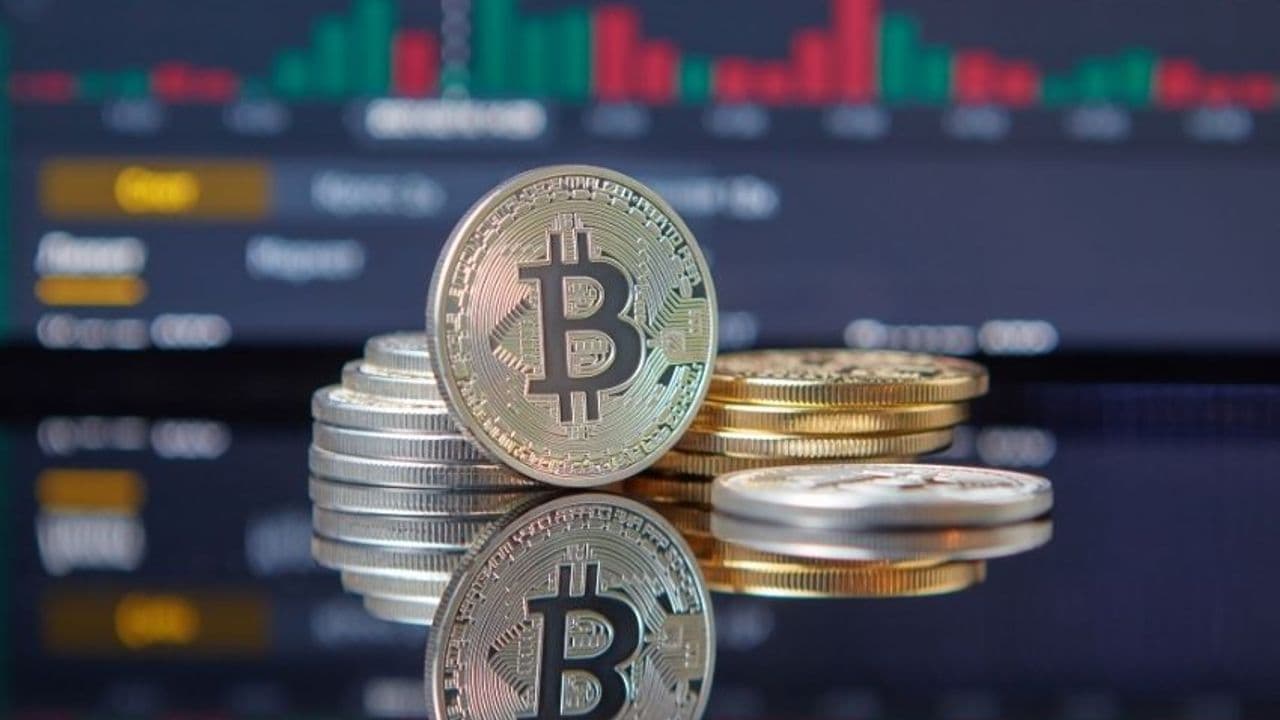
September: Bitcoin and Crypto Markets Ride a New Wave
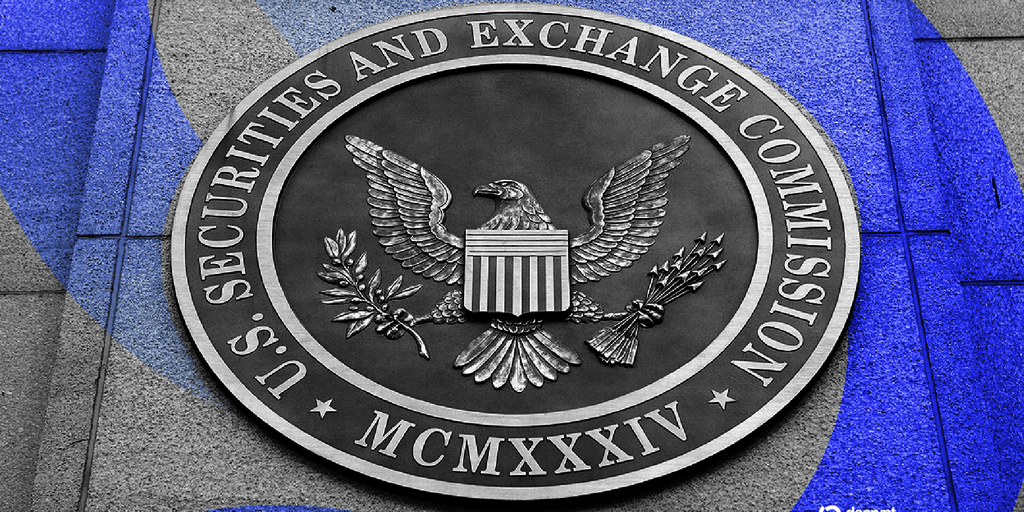
Crypto Leaders Push SEC for Tailored ETF Rules: A New Market Tactic
![[GSRAY] GALATASARAY SPORTİF SINAİ VE TİCARİ YATIRIMLAR A.Ş.
Sözleşme Feshi - Profesyonel Futbolcumuz Victor Enok Nelsson'un Sözleşme Feshi Hakkında](/_next/image?url=%2Fuploads%2Fkap-default.png&w=3840&q=75)
[GSRAY] GALATASARAY SPORTİF SINAİ VE TİCARİ YATIRIMLAR A.Ş. Sözleşme Feshi - Profesyonel Futbolcumuz Victor Enok Nelsson'un Sözleşme Feshi Hakkında

Wyoming Uses Chainlink to Elevate Stablecoin Transparency