
Collapse of the Islamabad Accord: A New Era in U.S.-Iran Relations
İran Dışişleri Bakan Yardımcısı Kazım Garibabadi, ABD'nin saldırıları ve deniz ablukasının yeniden uygulanması nedeniyle İslamabad Mutabakatı'nın orta
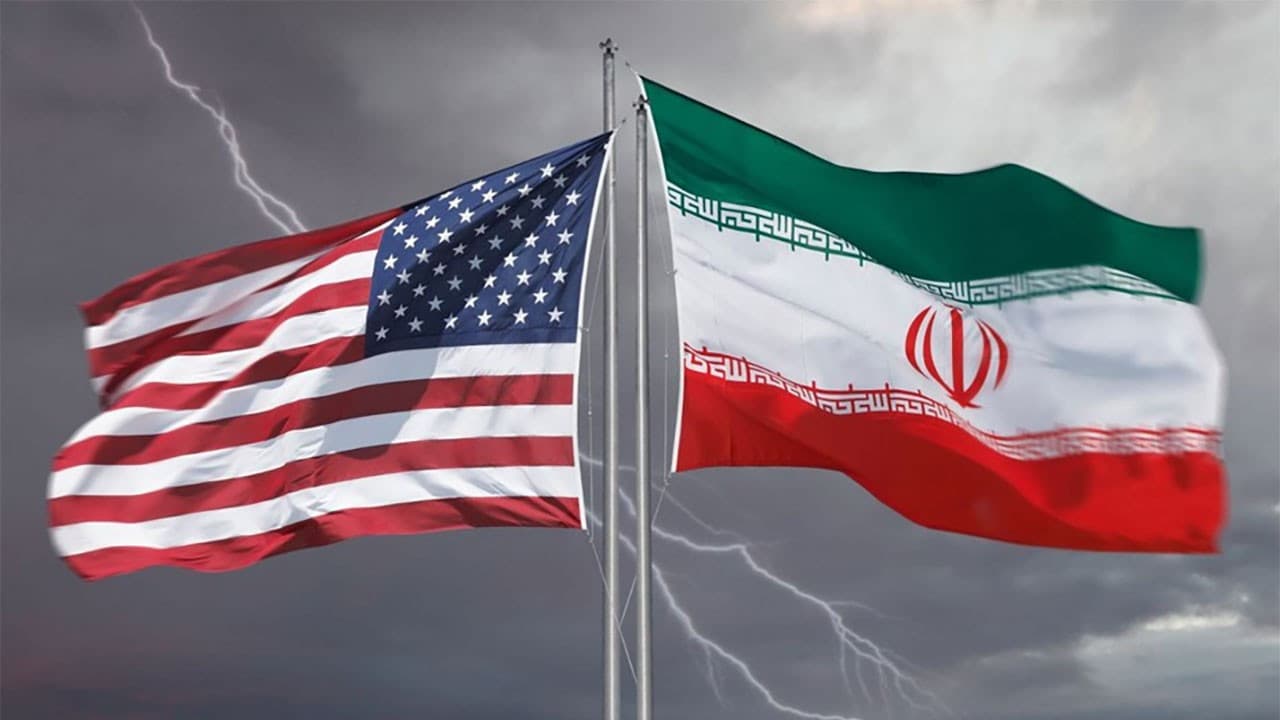
Iran's Deputy Foreign Minister, Kazem Garibabadi, officially announced the collapse of the Islamabad Accord due to U.S. military strikes and renewed naval blockade efforts. This development marks a significant shift in Iran's relations with the U.S., signaling a new phase in the conflict. The accord, signed in 2016 between Iran, Pakistan, and the U.S., was designed to facilitate military cooperation but has now been invalidated by U.S. escalation. Iran is expected to increase its military threats against Pakistan, reshaping regional security dynamics. This move underscores the intensifying U.S.-Iran rivalry in energy and security matters. Markets will closely monitor Iran's economic and political response to U.S. sanctions, with potential impacts on global oil prices. The situation could also destabilize broader macroeconomic conditions, raising concerns about financial market volatility.
The collapse of the Islamabad Accord reflects the U.S.'s strategic pivot toward containment, while Iran seeks to assert its regional influence. This geopolitical shift may lead to further economic sanctions and military tensions, necessitating careful monitoring by global financial institutions.
Related News & Analysis
View All →
Warsh's Remarks Shake Gold: Turkey's Gram and Quarter Prices Hit Record Lows

Intetra and Bakircı REIT Set to List on BIST with Defined Dates and Prices

Murat Pınar’s Strategic Leap: From Energy Distribution to Sabancı Holding’s Investment Helm

Sugar Prices Hit 17-Year High Amid Hindistan and European Production Crunch
HSBC Launches 4 Billion Yuan Bond Offering, Tapping Asia’s Liquidity Engine

Turkey Accelerates Black Sea Grain Corridor Talks to Stabilize Global Food Markets
Latest Market News
All News →![[ONCSM] ONCOSEM ONKOLOJİK SİSTEMLER SANAYİ VE TİCARET A.Ş.
Kayıtlı Sermaye Tavanı İşlemlerine İlişkin Bildirim - Kayıtlı Sermaye Tavanı Süre Uzatımı Hk.](/_next/image?url=%2Fuploads%2Fkap-default.png&w=3840&q=75)
[ONCSM] ONCOSEM ONKOLOJİK SİSTEMLER SANAYİ VE TİCARET A.Ş. Kayıtlı Sermaye Tavanı İşlemlerine İlişkin Bildirim - Kayıtlı Sermaye Tavanı Süre Uzatımı Hk.
[ONCSM] ONCOSEM ONKOLOJİK SİSTEMLER SANAYİ VE TİCARET A.Ş. Esas Sözleşme Tadili - Esas Sözleşme 19.Madde Tadili Hk.
[ONCSM] ONCOSEM ONKOLOJİK SİSTEMLER SANAYİ VE TİCARET A.Ş. Şirket Genel Bilgi Formu - Şirket Genel Bilgi Formu

SPK Revamps Investment Fund Guide: Open‑Ended Funds and Murabaha Transactions Enter New Era
[RALYH] RAL YATIRIM HOLDİNG A.Ş. Katılım Finansı İlkeleri Bilgi Formu - Katılım Finansı İlkeleri Bilgi Formu