Breaking News

Iran Extends Electricity Cuts to Industrial Sector to Two Days a Week: A Strategic Move or Deeper Crisis?
724FinanceSavaş Yıldırım
Iran Extends Electricity Cuts to Industrial Sector to Two Days a Week: A Strategic Move or Deeper Crisis?

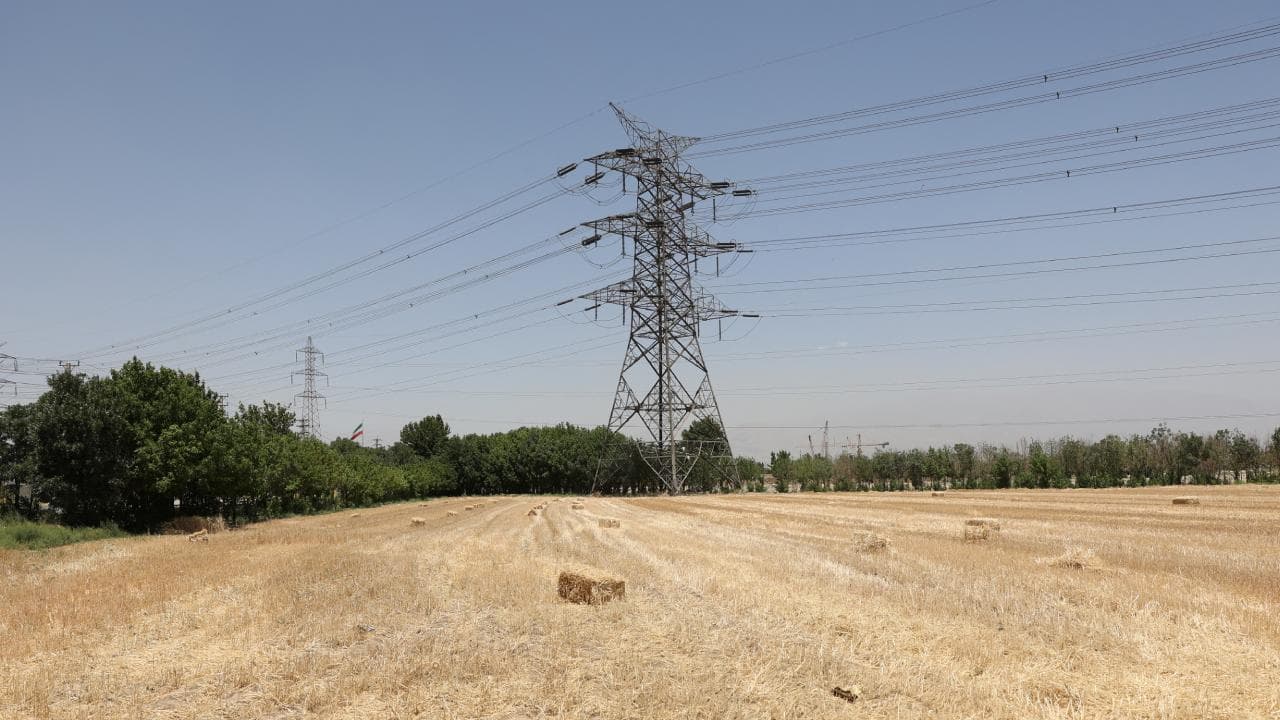
Iran's partial electricity restrictions on industrial facilities have been extended to two days a week, causing significant ripples in the energy sector. This decision is being scrutinized for its impact on energy shortages and industrial production efficiency.

Energy Market Turbulence

The extension of electricity cuts to Iran's industrial sector raises questions about whether this is a short-term crisis management measure or a response to external economic pressures. Despite the Energy Ministry's claim of planned maintenance, concerns are mounting among businesses.

  • Industrial production could decline by 15-20% due to energy constraints, particularly affecting energy-intensive sectors like chemicals and metallurgy.

  • Exporters warn that rising energy costs may erode competitiveness in key markets like Turkey and the Middle East.

  • Small and medium enterprises (SMEs) are vulnerable to supply chain disruptions amid energy uncertainty.
  • Industrial Production Under Strain

    Electricity shortages risk halting production lines, especially in sectors reliant on continuous power supply. While the Iranian Industrial Organization claims cuts will precede planned maintenance, the long-term implications remain unclear.

  • The government continues investing in wind and solar projects to reduce dependency, but infrastructure gaps slow the transition.

  • Energy restrictions may complicate Iran's external debt negotiations amid global price volatility.
  • Short-Term Implications of Iran's Energy Policy

    This move tests Iran's energy policy accountability and crisis response effectiveness. Could this signal a shift toward alternative solutions or deeper systemic challenges?

    Savaş Yıldırım: These electricity cuts may reflect Iran's energy security strategy, but their overlap with global price hikes risks creating market instability. Long-term, such policies could weaken Iran's competitiveness in markets like the EU and Iraq, as energy reliability becomes a critical factor in international trade.
    Savaş Yıldırım

    Financial Analyst: Savaş Yıldırım

    Küresel Kriz ve Son Dakika Haber Şefi. Dünyayı sarsan flaş gelişmeleri, savaşları, felaketleri, devasa faiz kararlarını ve ani ekonomik çöküşleri olağanüstü bir hız, heyecan ve ciddiyetle aktaran kıdemli haber müdürü.

    Disclaimer: The investment information, comments, and recommendations contained herein are not within the scope of investment advisory. Investment advisory services are provided individually by authorized institutions, taking into account the risk and return preferences of individuals. The comments and recommendations contained herein are general in nature. These recommendations may not be suitable for your financial situation and your risk and return preferences. Therefore, making an investment decision based solely on the information contained herein may not produce results that meet your expectations.

    © 2026 724Finance - All Rights Reserved.Original Source: Trthaber.com