
Iran's Nuclear Warning Triggers Geopolitical Risk Premium in Oil Markets
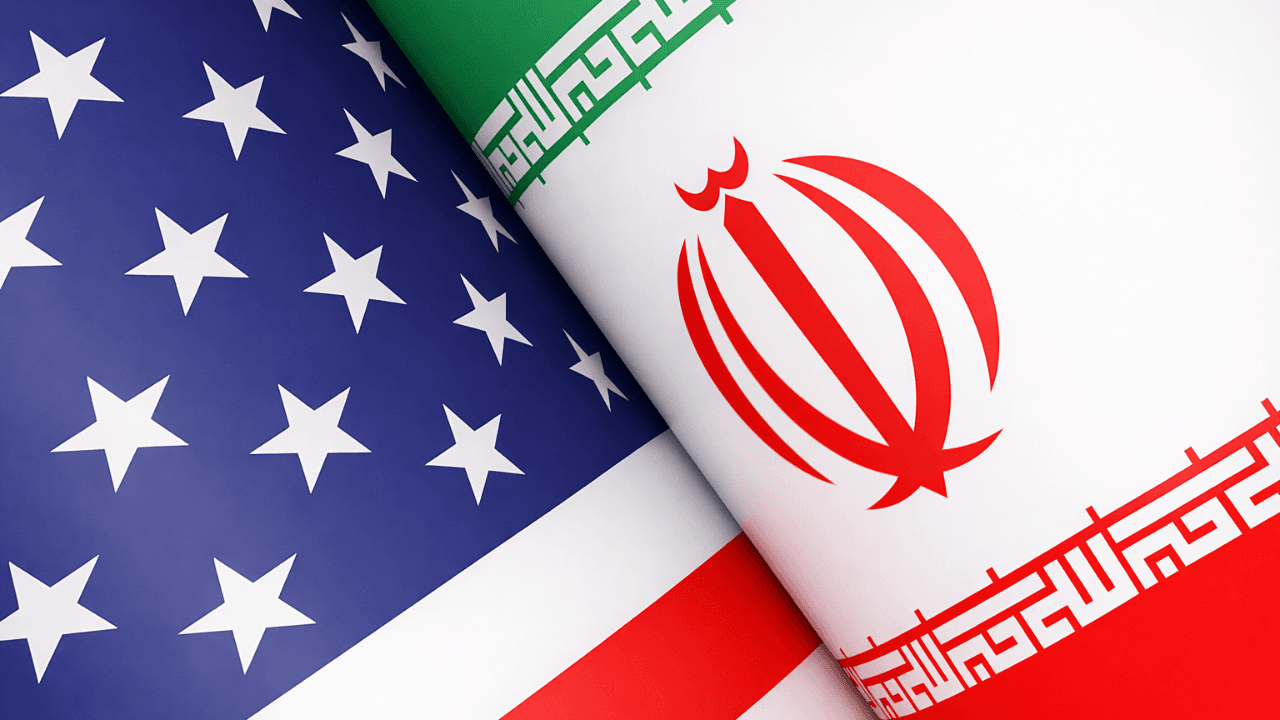
Geopolitical risk gauges in the Middle East spiked anew as Iran issued a stern warning that injected fresh uncertainty into global energy supply security. Iran’s Hatemu'l Enbiya Central Headquarters declared that any US aggression against nuclear facilities would be construed as an expansion of regional warfare, directly targeting US interests and allies, thereby pushing tensions to their peak.
Escalation Over Strategic Assets
The statement from Iranian military authorities reflects a hardline posture indicating that potential strikes on energy infrastructure will not remain contained as limited operations but will result in a general state of war and the targeting of allied nations. This announcement deepens concerns regarding the security of regional crude oil supply routes.
Trump's Doctrine of Force and Market Implications
The aggressive stance of the Washington administration, led by Trump, clearly demonstrates that military options remain on the table if diplomatic avenues stall. However, Iran's threat to directly target US interests implies that this crisis may not remain bilateral but carries the risk of expanding to a global scale.
Markets are already pricing in this diplomatic standoff as a heightened "risk premium." Iran's explicit defense of strategic sites like Natanz heightens the probability of a disruption in energy supply. A subsequent surge in Brent crude prices could reignite inflationary pressures, compelling the FED to maintain a prolonged restrictive stance on interest rates. Consequently, increasing defensive measures in portfolios against the impending volatility in commodity markets appears to be a prudent strategy.