
Geopolitical Chess in the Strait of Hormuz: Tehran's Energy Corridor Maneuver
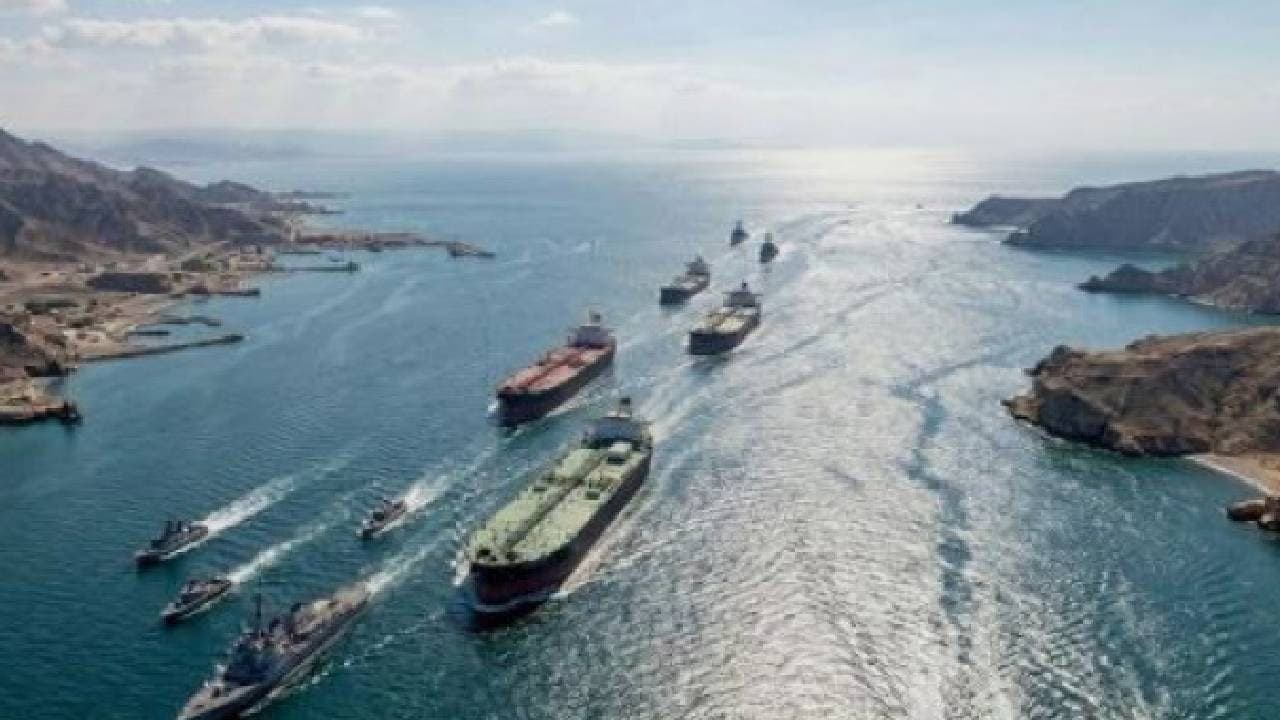
The Tehran administration, utilizing the Association of Southeast Asian Nations (ASEAN) platform, has delivered critical messages regarding the struggle for dominance over the Strait of Hormuz, the lifeline of global energy supply. Iranian Deputy Foreign Minister Said Hatibzade, while emphasizing the priority of diplomacy, declared to the world a zero-tolerance policy regarding the strategic balance of the region.
Efforts to Curb Washington's Regional Hegemony
Iran's strategy, articulated within the framework of ASEAN meetings, is centered on preserving the international status of the Persian Gulf and the Strait of Hormuz. Tehran's messaging focuses on the following axes:
The Shield of Legitimate Defense and International Law
While maintaining a diplomatic tone, Tehran is simultaneously highlighting its military and legal deterrence. Said Hatibzade detailed Iran's determination to protect its national security through the following points:
The Strait of Hormuz is a critical chokepoint through which approximately 20% of global oil trade passes. Tehran's statements are not merely a political challenge but a reminder of the 'risk premium' associated with energy markets. Financial markets, particularly energy commodities, price these geopolitical tensions directly. Any escalation would not only drive up oil prices but also increase maritime shipping insurance costs (War Risk Insurance), triggering higher global supply chain expenses. For the banking sector, this necessitates a re-evaluation of credit risks in emerging markets heavily dependent on energy stability.