New Risks in Hormuz Rattle Markets: US-Iran Standoff Triggers Oil Price Surge
724FinanceVolkan Şen
Key Highlights
Global enerji arz güvenliğinin kalbi sayılan Hürmüz Boğazı'ndaki gerilim, petrol fiyatları üzerindeki belirsizliği tırmandırarak piyasaları alarm duru
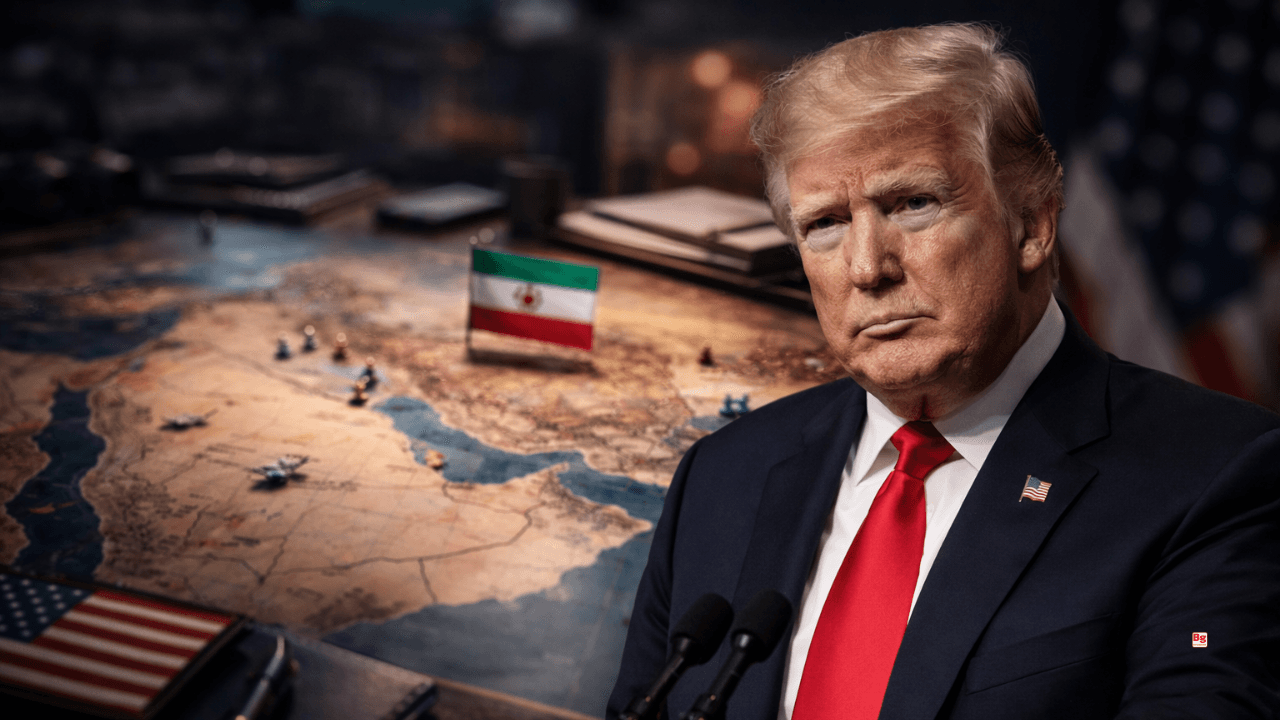
Tensions in the Strait of Hormuz, the vital artery for global energy supply, are sending alarm bells through financial markets as oil price volatility spikes. The aggressive rhetoric from US President Donald Trump regarding control of the waterway, met with stern warnings from Iran, has reignited concerns over the economic costs of military escalation in the region and is paving the way for sudden surges in freight and insurance premiums.
Strategic Control and Diplomatic Flashpoints
President Trump's declaration that the US will likely "take charge" of the strait was met with a response that Iranian officials framed as a potential "declaration of war." Brigadier General Ibrahim Zulfikari of the Iranian Armed Forces stated that any unauthorized intervention would be rejected, warning vessels attempting to transit without using Iranian-designated routes of direct interference. This standoff represents not merely a military posture but a strategic economic war for control over critical global trade routes.Market Risk Premiums and Logistics Liabilities
As the chokepoint for a significant portion of the world's daily oil supply, any conflict in the Strait of Hormuz inevitably triggers sharp surges in commodity prices.Kerem Tufan Analysis: For central banks and commercial banks managing liquidity, sudden spikes in energy prices remain a primary source of uncertainty, distorting inflation expectations and creating pressure to tighten monetary policies. Such geopolitical risks drive up input costs for imports, directly threatening the cash flows of SMEs and pushing commercial credit risk premiums higher. The current tension in the Strait of Hormuz serves as a critical warning signal for portfolio managers to increase weight in energy hedging instruments.
Related News & Analysis
View All →
SPK Revamps Portfolio Strategies with Gold, Biotech, Energy, and Commodity Funds
SPK's Tough Decision: Administrative Fines Imposed on Midas Menkul and Umpaş Holding

SPK Approves Strategic Capital Boost for ETILR and KLYPV: Market Reflexes
SPK Issues Strategic Approvals and Rejections for Corporate Capital
Halkbank Rolls Out TL1.5 Billion SME Credit Facility: Shaping Turkey’s Small Business Financing
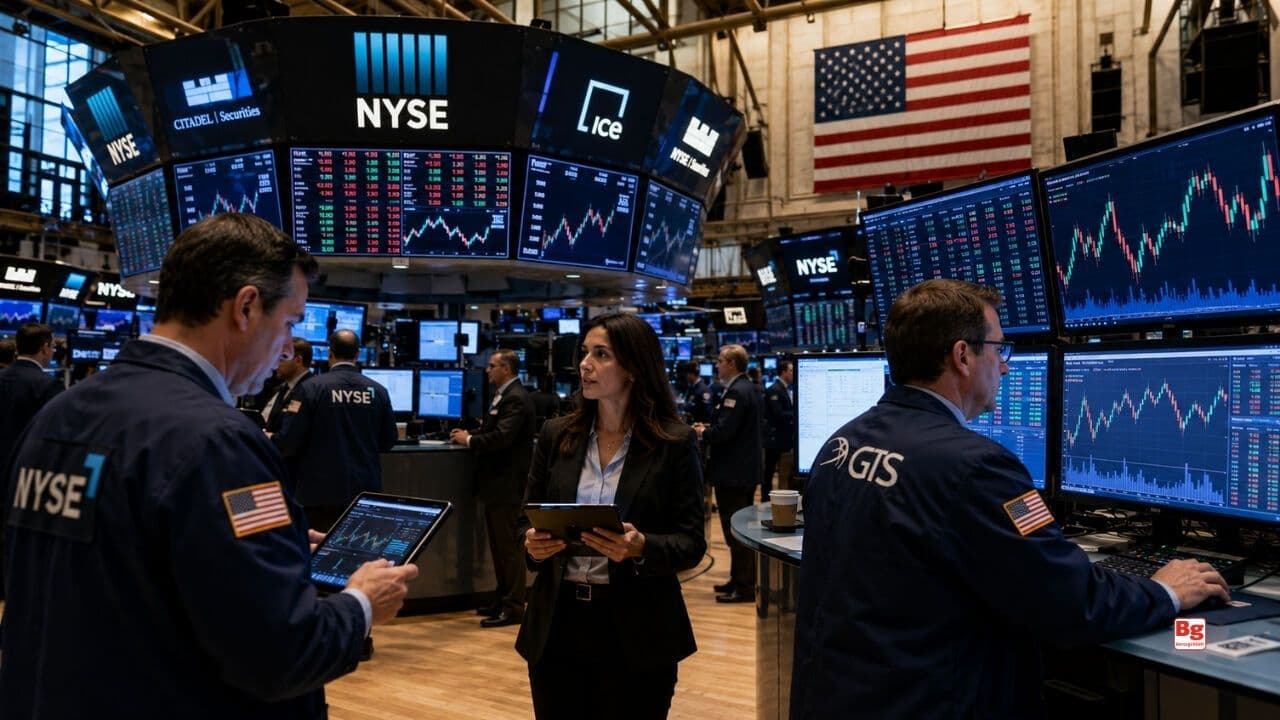
Nvidia’s Financial Fireworks Propel NYSE Higher
Latest Market News
All News →
KAMUYU AYDINLATMA PLATFORMU Kamuyu Aydınlatma Platformu Duyurusu / HPF, INFO, IYF, OZSUB, PASEU, PNU, PRY, SDTTR - Özel Durumlar Tebliği'nin 12-(4). maddesi gereğince yapılan açıklama
[POLHO] POLİSAN HOLDİNG A.Ş. Kurumsal Yönetim İlkelerine Uyum Derecelendirmesi - Kurumsal Yönetim İlkelerine Uyum Derecelendirmesi
SPK Revamps Portfolio Strategies with Gold, Biotech, Energy, and Commodity Funds
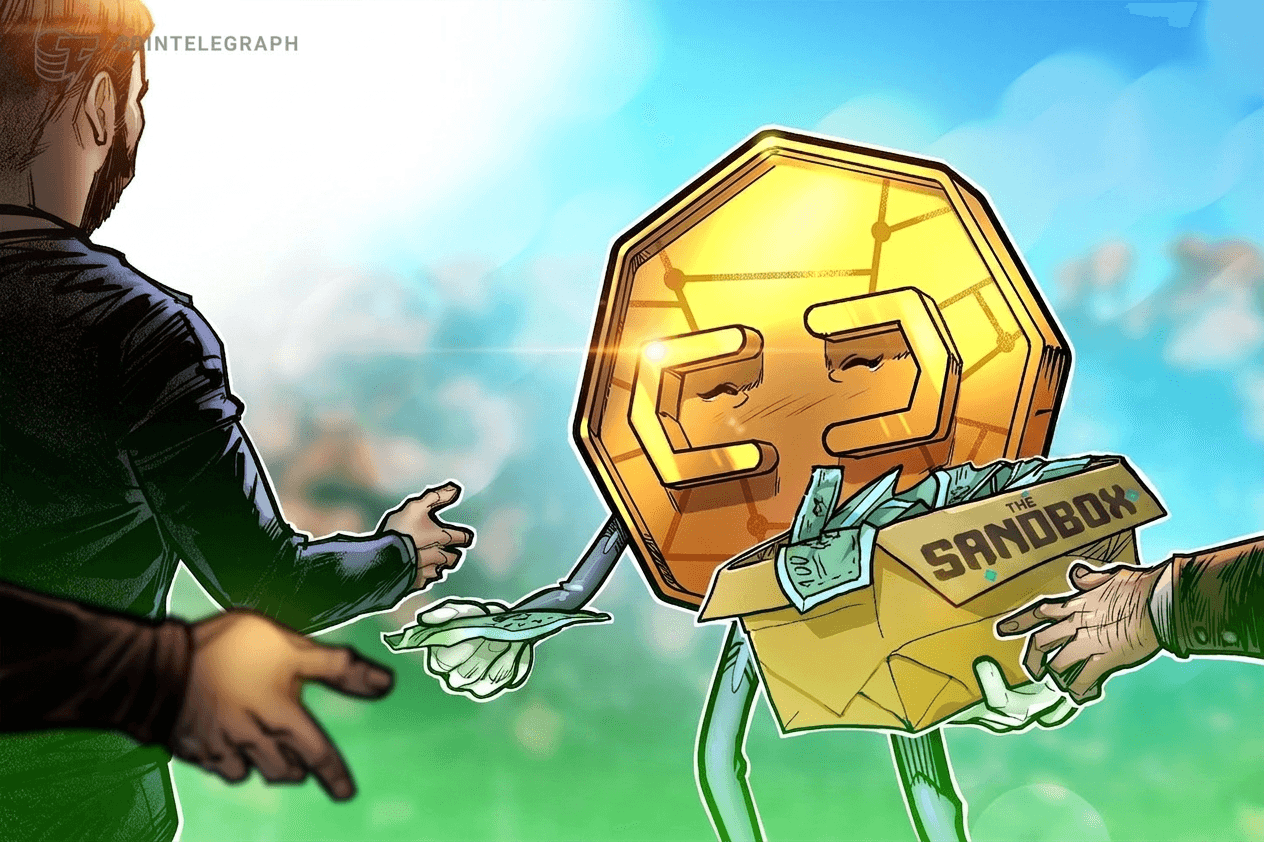
The Sandbox’s 1:1 SAND Compensation Plan After Bridge Exploit

Solana Breaks $100, Bitcoin Surges Past $80,000: A New Fast-Moving Contender in Crypto