
Stock Market
Hormuz Navigation Crisis: Iran’s Detention of Six Vessels Deepens Fractures in Global Energy Supply
724FinanceCaner Yılmaz
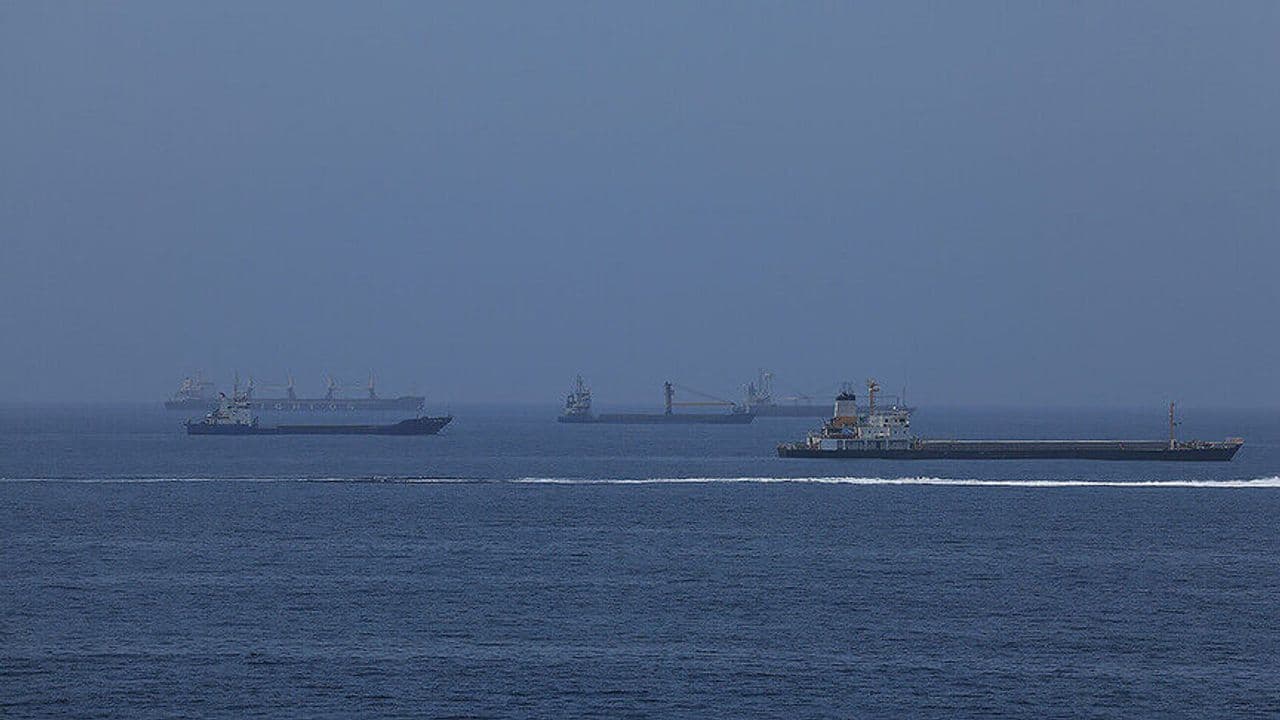
Global financial markets are watching with concern as escalating geopolitical tensions, sparked by Iranian forces detaining six commercial vessels in the Strait of Hormuz and the subsequent crash of one vessel, bring risks to energy supply security through one of the world's most critical oil transit chokepoints back to the forefront.
Operation Details and Accusations of Political Provocation
An unnamed official speaking to Iranian state television stated that the 6 ships in question attempted to use the "illegal and unsafe" route south of the strait by shutting down all their systems. While the Tehran administration claims this initiative was instigated by the US military, it was confirmed that one vessel crashed and suffered damage during the operation, while the remaining 5 vessels were forced to return to the Persian Gulf.The Risk Premium in the Oil Valley
The Strait of Hormuz constitutes a single transit point for a significant portion of global crude oil trade. Any military operation in this region has the potential to instantly drive up navigation insurance costs and prices per barrel.From a technical analysis perspective, such geopolitical risks in the Strait of Hormuz can sharply increase volatility in Brent Crude, bringing aggressive pricing above Fibonacci retracement levels. In the BIST 100 index, a sudden volume surge in energy stocks could create upward pressure on the index; however, a potential rise in exchange rates could distort the general market risk premium due to current account deficit concerns. Algorithmic trading may shift rapidly from "risk-on" mode to "safe-haven" assets during such news flows.