
Diplomatic Maneuver in Hormuz: A Critical Juncture for Global Energy Supply
Küresel enerji arz zincirinin en hassas noktalarından biri olan Hürmüz Boğazı'ndaki jeopolitik dengeler, İran ve Umman arasındaki üst düzey diplomasid
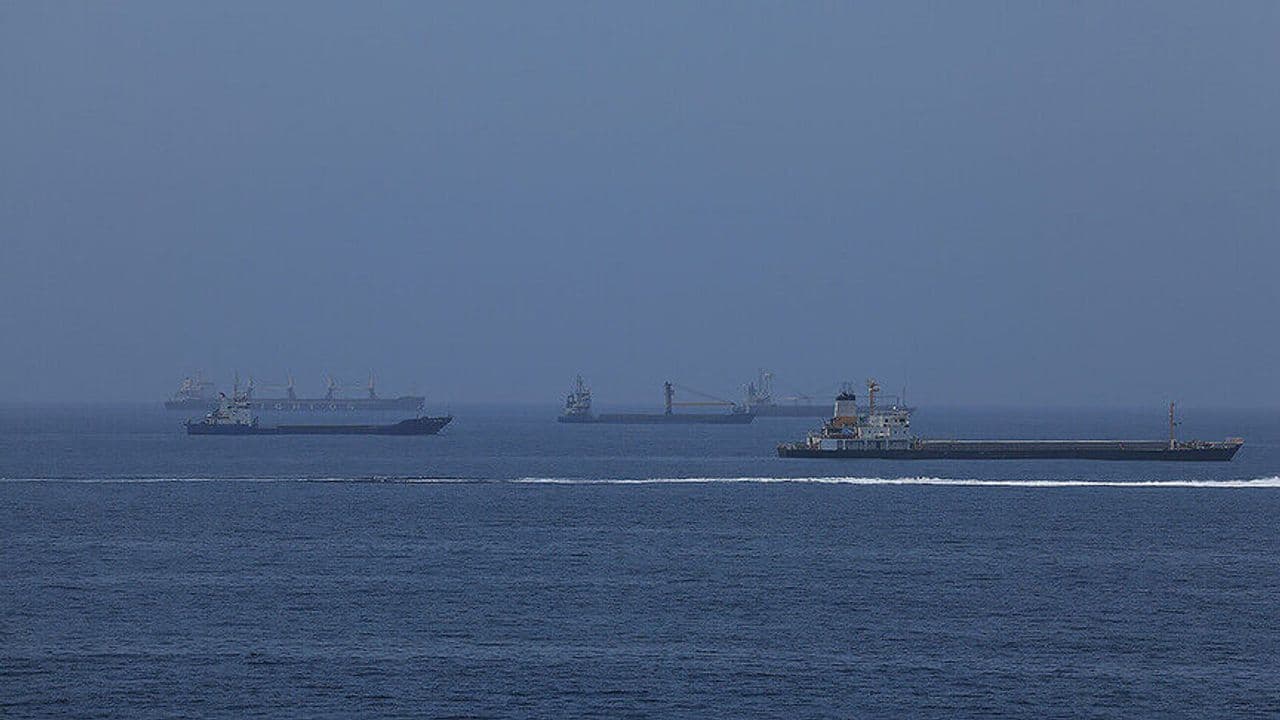
As geopolitical dynamics at one of the most sensitive nodes of the global energy supply chain, the Strait of Hormuz, evolve through high-level diplomacy between Iran and Oman, uncertainty over oil prices remains under close surveillance. The strategic meeting between Iranian Foreign Minister Abbas Erakçi and Omani Foreign Minister Bedr bin Hamed el-Busaidi holds the potential to directly impact not only regional security matters but also the future of sea routes vital to world trade.
Geopolitical Risk Premium at the Strait of Hormuz
Situated in a geography prone to triggering sharp volatility in energy markets should any supply disruption occur, this strait sees a massive volume of daily oil trade pass through it. While this meeting between Iran and Oman serves a diplomatic buffer function aimed at preventing potential crises, markets continue to price every piece of news from the region through the lens of risk premium.
Strategic Moves Reflecting on Energy Markets
From a long-term value investment perspective, such geopolitical developments can impact the margins of energy-importing companies while creating arbitrage opportunities driven by volatility for domestic producers. Keeping diplomatic channels open can reduce the risk of supply disruptions, helping to control speculative bubbles in commodity markets.
> For investors, this development emerges as a key indicator determining regional risk appetite. The security of the Strait of Hormuz is a critical external factor for the cash flow predictability of energy giants offering high dividend yields. Oman's mediation role may limit market volatility by reducing supply chain fragility, yet it is essential not to ignore the geopolitical risk premium for energy-weighted assets in portfolios.
Related News & Analysis
View All →
BIST New Partnerships and Contracts Reshape Market Landscape

Info Investment’s Top-Traded Stocks on August 25, 2026 and Strategic Takeaways

Canada Hits Back: 700 US Goods Face Up to 50% Tariffs in Sharp Trade Counter

BIST 100’s Evening Dip: Mixed Industrial and Tech Moves, Gold Slips

Borsa İstanbul Imposes Volatility Control on KRGYO.E: Market Watch

ABD Yürütmesiyle Çin Bankaları Dolar mı, Tahran mı: Santrali Kriz ve Kredi Dönüşümü
Latest Market News
All News →
SpaceX’s $100 Billion Louisiana Space Base: Ripple Effects on Local Chip Ecosystem

$103K H-1B Fee: A Threat to 76% of Small Businesses
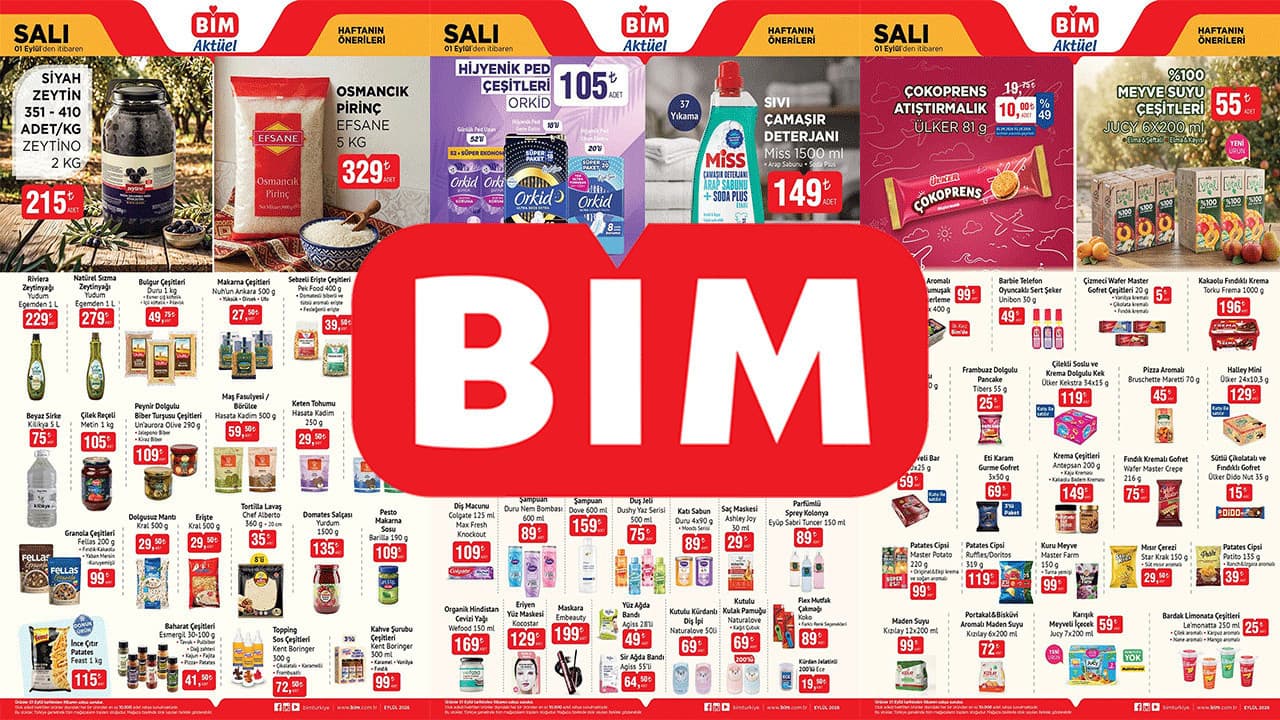
BİM's September Discount Surge: Impact on Grocery Prices and Stock Market
![[BALAT] BALATACILAR BALATACILIK SANAYİ VE TİCARET A.Ş.
Payların Geri Alınmasına İlişkin Bildirim - 25.08.2026 Tarihli Pay Geri Alımı Hakkında](/_next/image?url=%2Fuploads%2Fkap-default.png&w=3840&q=75)
[BALAT] BALATACILAR BALATACILIK SANAYİ VE TİCARET A.Ş. Payların Geri Alınmasına İlişkin Bildirim - 25.08.2026 Tarihli Pay Geri Alımı Hakkında
