
Stock Market
Istanbul Reserves Breach Critical Threshold: 60% Psychological Support Broken
724FinanceCaner Yılmaz
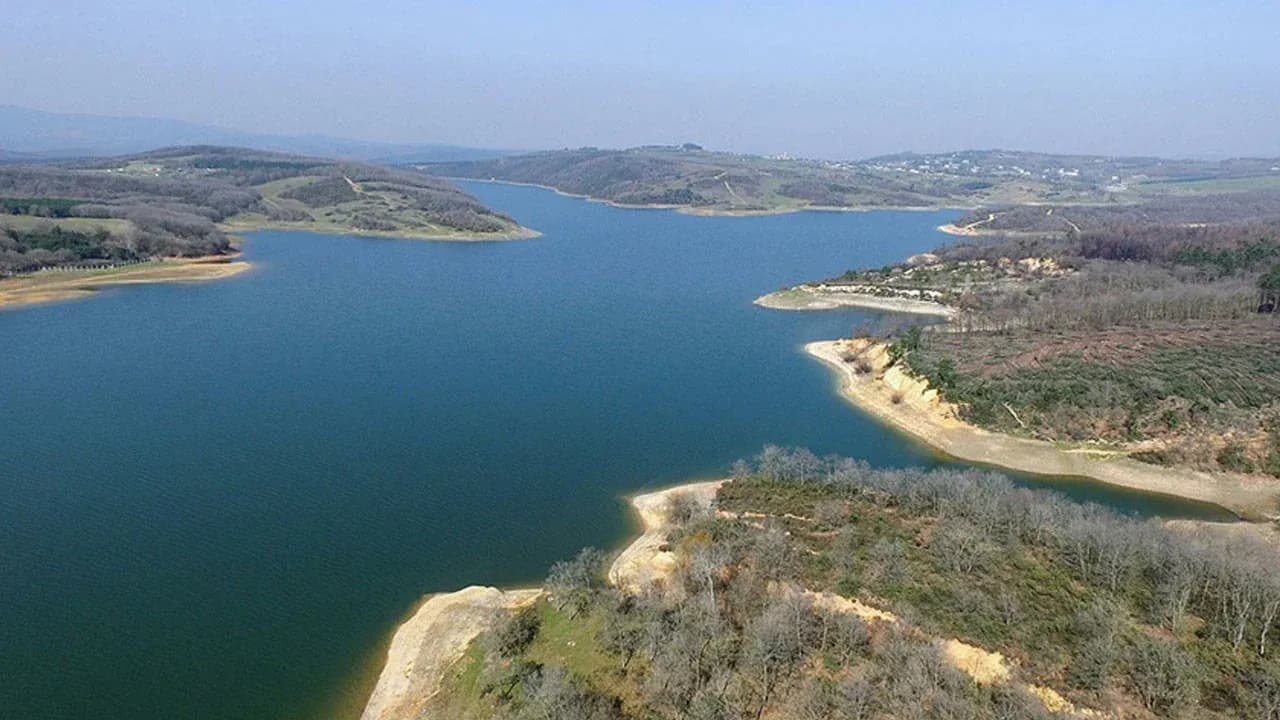
Istanbul's strategic water reserves have experienced a critical breakdown driven by evaporation pressures from the heatwave; according to İSKİ data, the occupancy rate of dams supplying the city fell below the closely watched 60% psychological support level to 59.71%. This development marks the second lowest volume in the last 10-year period following the low recorded in 2023, reinforcing the likelihood of this liquidity crunch in water translating into macroeconomic costs.
Liquidity Crunch in Istanbul’s Water Reserves: Signal of Decade Low
As a fundamental indicator of urban water supply, dam occupancy rates are showing an increasingly volatile trend in historical comparison. Data as of July 15 shows that while the rate was 64.34% in 2024, it regressed to 59.92% this year, and today stands at 59.71%, exhibiting the second worst performance in the last decade. The recovery movement following the collapse to 41.39% seen in 2023 appears limited by seasonal conditions.Asymmetric Risks in Supply-Demand Equilibrium
On the consumption side, the demand curve continues to track high in parallel with the contraction on the supply side. The city's daily water consumption was measured at 3 million 288 thousand cubic meters yesterday, with 2 million 64 thousand cubic meters of this amount supplied from dams and the remaining 1 million 224 thousand cubic meters from regulators. This distribution indicates that the pressure on local reserves persists and external dependency remains a strategic risk factor.Markets should read this data set not just as an environmental crisis, but as a potential inflationary factor. This contraction in water liquidity could create upward pressure on food prices and industrial production costs. From a technical analysis perspective, the break of the 60% level serves as a confirmation of downward momentum; if a rebound does not occur in rainfall data (input), a new price adjustment on the cost side seems inevitable.