Trade Policy Shift: Turkey Introduces 5% Value Buffer in Import Surveillance
Türkiye'nin dış ticaret dengesini korumak ve yerli üreticiyi desteklemek amacıyla uyguladığı gözetim mekanizmasında, ithalatçıların operasyonel yükünü
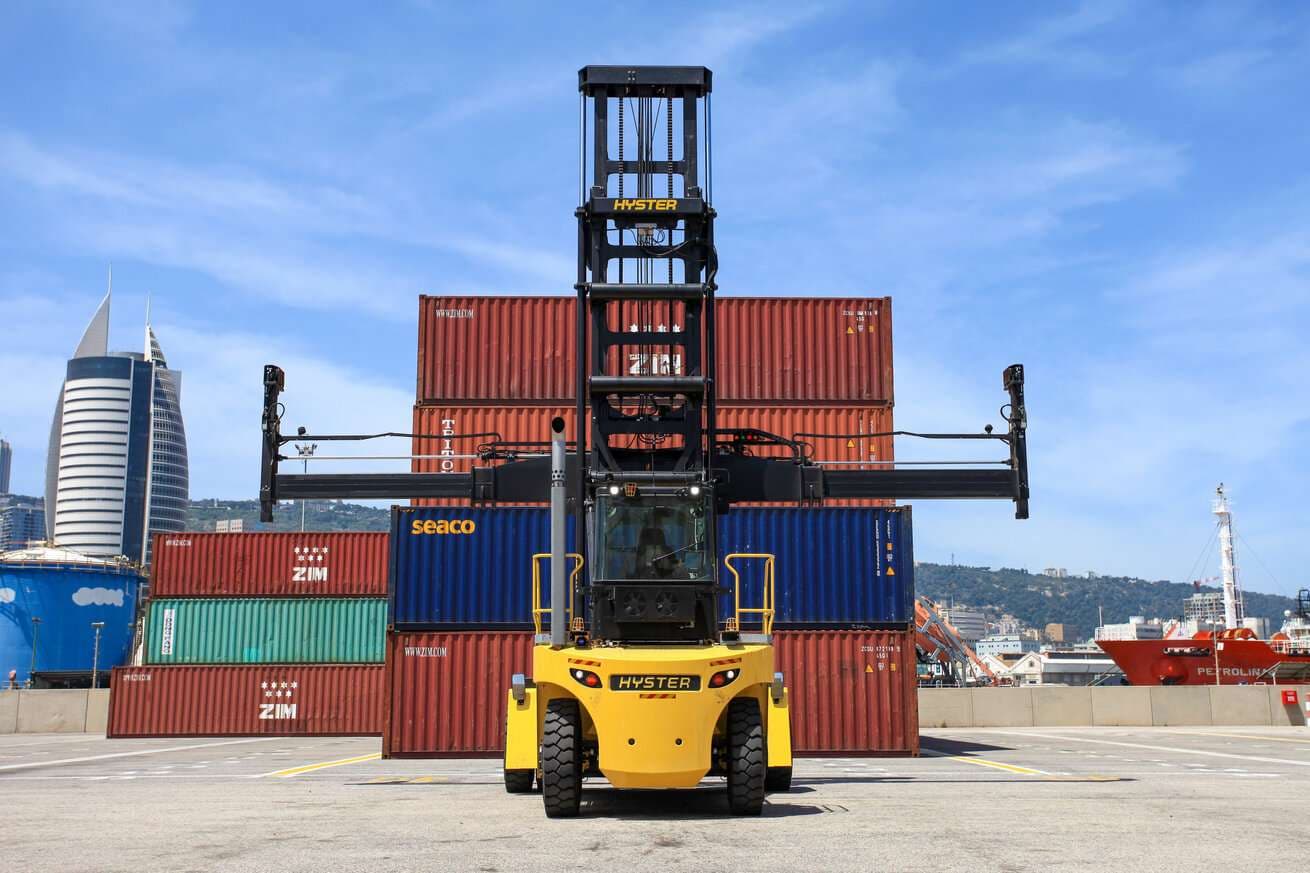
Turkey has introduced a strategic adjustment to its import surveillance mechanism, aimed at alleviating the operational burdens faced by importers while maintaining the balance of foreign trade.
A Strategic Buffer in Customs Valuations
Import surveillance is a key tool used by the government to prevent under-invoicing and protect domestic industries. However, the strict application of these values often led to significant costs and bureaucratic hurdles for importers due to minor discrepancies. Under the new regulation:
Streamlining Trade Logistics and Cost Management
For companies engaging in high-volume imports, this adjustment represents a significant improvement in cost management. The easing of rigid surveillance limits is expected to yield the following benefits:
This regulation is a tactical move aimed at slightly easing the pressure of macro-prudential measures on trade. Especially for SME importers struggling with cash flow management, this small but effective flexibility margin at customs is expected to provide some relief. However, given the ongoing current account deficit pressures and the tight monetary policy environment, such micro-adjustments are unlikely to provide a structural solution on their own; nevertheless, they are valuable in reducing the burden on working capital at a time when commercial credit growth is slowing.
Related News & Analysis
View All →
Anthropic's Nvidia-Backed Lambda Deal: The Shadow of a $35 Billion Investment on Banking

Coca-Cola Beverages Leadership Change: Future of Dividend and Buyback Strategies

China's Manufacturing Sector: 5-Year Growth Spree and Market Implications

US Defense Secretary Driscoll Resigns Amid Hegseth Controversy: Market Implications
Trump Administration Plans $25 Million Fund for Right-Leaning Groups in Europe

Japan's 2027 Budget Requests Surpass Records, Shaking Market Expectations
Latest Market News
All News →Anthropic's Nvidia-Backed Lambda Deal: The Shadow of a $35 Billion Investment on Banking

Polymarket Raises $1 Billion: Trump Jr.’s 1789 Capital Invests $300 Million

Polymarket's $1 Billion Raise: 1789 Capital and Trump Jr.'s $21 Billion Valuation

Turkey's GDP Grows 2.3%: Strong Quarter for Manufacturing and Production

U.S. Debt Crisis Strengthens Bitcoin's Bull Case: Call Options at $80K-$100K Cross $10 Billion in Notional OI