
KFC Retreats in the US: Over 300 Restaurants Shuttered Amid Intense Competition
Hızlı servis restoran sektörünün küresel devlerinden **KFC**, değişen tüketici alışkanlıkları ve yoğunlaşan rekabet ortamında radikal bir küçülme kara
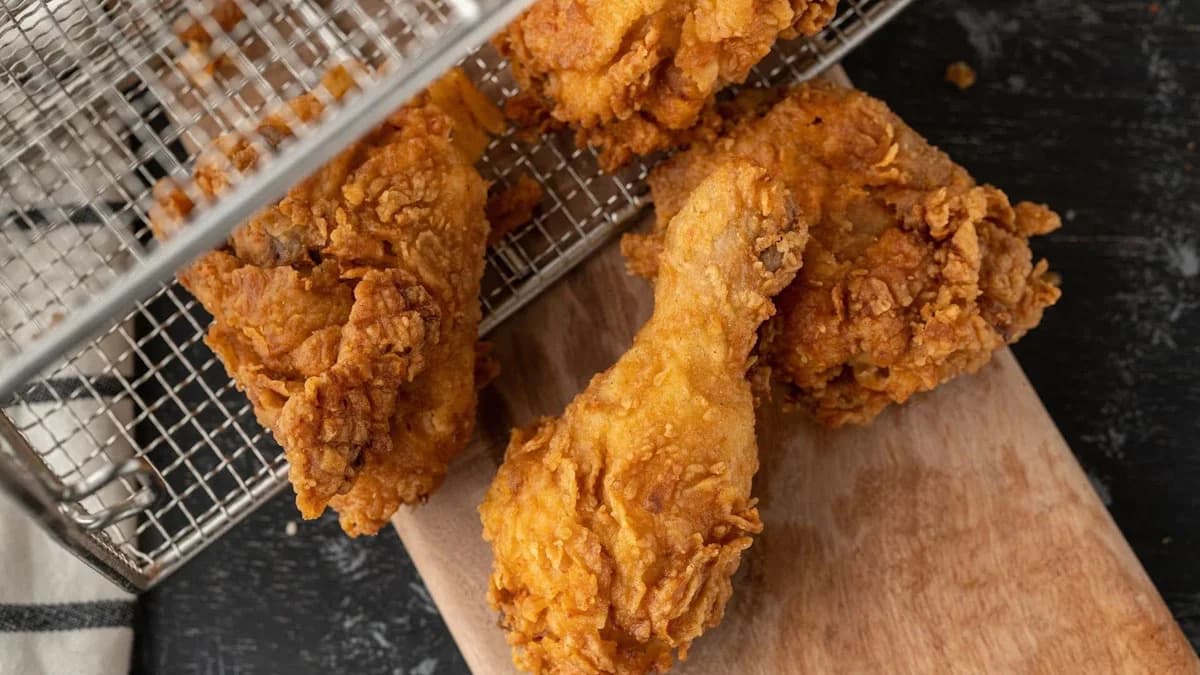
Fast-food giant KFC is aggressively scaling back its retail footprint in the United States, shuttering hundreds of locations as it battles shifting consumer preferences and intensifying market competition. According to industry data, the Yum Brands subsidiary permanently closed at least 312 of its U.S. restaurants between July 15, 2025, and July 6, 2026, representing a 7.64% reduction in its domestic footprint. The massive consolidation comes at a time when sticky global inflation and high borrowing costs are forcing multinational consumer brands to aggressively streamline underperforming assets.
The Single-Serve Revolution and the Decline of the Family Bucket
For decades, KFC relied heavily on its legacy model of selling large, family-sized buckets of bone-in chicken. However, rapid shifts toward convenient, portable, single-serve options allowed rivals to capture key market share. Competitors like Chick-fil-A and Popeyes successfully locked in consumer loyalty with premium chicken sandwiches and optimized drive-thru operations, leaving KFC's traditional model vulnerable.
Structural Realignment: Yum Brands' Turnaround Blueprint
Yum Brands CEO Christopher Turner is leading a comprehensive turnaround effort, emphasizing that closing underperforming units is essential to improving overall system health. The recovery roadmap includes a visual reboot of the brand's global identity, menu optimization, and upgraded food quality. While the chain managed to secure a modest 1% gain in same-store sales after consecutive quarters of negative growth, analysts warn that turning around a $5 billion brand with thousands of locations requires prolonged capital discipline.
This wave of store closures in the fast-food segment is a direct symptom of macro-economic tightening across Western economies. With the Federal Reserve and the European Central Bank (ECB) maintaining a restrictive interest rate path to combat sticky inflation, consumer discretionary spending is facing a prolonged squeeze. Higher capital costs are restricting franchise expansion, while potential escalations in global tariff policies threaten to disrupt agricultural supply chains and inflate raw material costs. For global conglomerates like Yum Brands, the focus has officially shifted from aggressive footprint expansion to margin preservation through the rapid liquidation of low-yield assets.
Related News & Analysis
View All →
SEC Probe Shakes Mark Walter’s Private Credit Empire

US Buyers Snap Up Europe’s Asset Managers at Fastest Rate in Decades

European Crypto Trust Deficit: Missing Founders and the Regulatory Clampdown

La-Z-Boy Plunges 16% After Hours: Is Retail Growth Enough to Mask a Wholesale Slump?

Blank Street Secures $125M from General Atlantic to Accelerate Expansion

Flipkart, Hindistan Hızlı Ticaret Liderlerini Yakınlaştırıyor: Walmart'ın Stratejik Hamlesi
Latest Market News
All News →SEC Probe Shakes Mark Walter’s Private Credit Empire

Gold Investment Alert: 2027 Ceiling at $5,600

New Era in US-Canada Trade War: Trump’s Radical "Statehood" Rhetoric and 50% Tariff Shock

Trump’s Canada Ultimatum and 50% Tariff Threat: The Northern Front of the Trade War
US Buyers Snap Up Europe’s Asset Managers at Fastest Rate in Decades