
IEA’s 2026 Oil Demand Forecast Signals First Decline Since 2020
724FinanceRüzgar Ersoy
Key Highlights
Uluslararası Enerji Ajansı (IEA), 2026’da küresel petrol talebinin 2020’dan bu yana ilk kez yıllık bazda gerilemeyi göstereceğini tahmin ediyor; bu pr
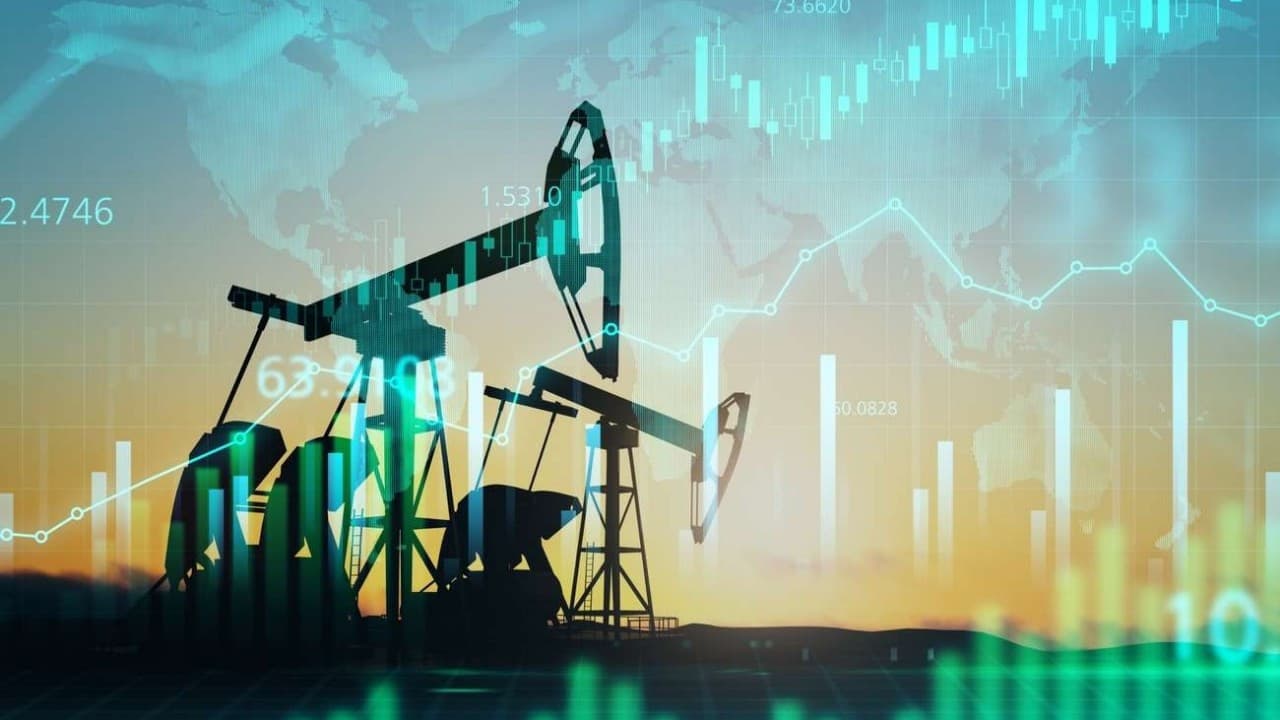
The International Energy Agency (IEA) forecasts that global oil demand will decline in 2026 for the first time since 2020, projecting a downturn driven by escalating Middle East tensions and the potential closure of the Strait of Hormuz.
Core Drivers of Demand Decline: Geopolitical Risk and Supply Chain Shocks
Market Reaction and Impact on Energy Equities
Policy Responses and Strategic Realignment
Hakan Çelik: ‘This structural demand decline is not a transient price shock; it reflects the confluence of long‑term energy transition dynamics and geopolitical fragmentation, forcing markets to recalibrate their risk premia. Investors will need to rebalance legacy hydrocarbon portfolios and tilt toward low‑carbon alternatives.’
Related News & Analysis
View All →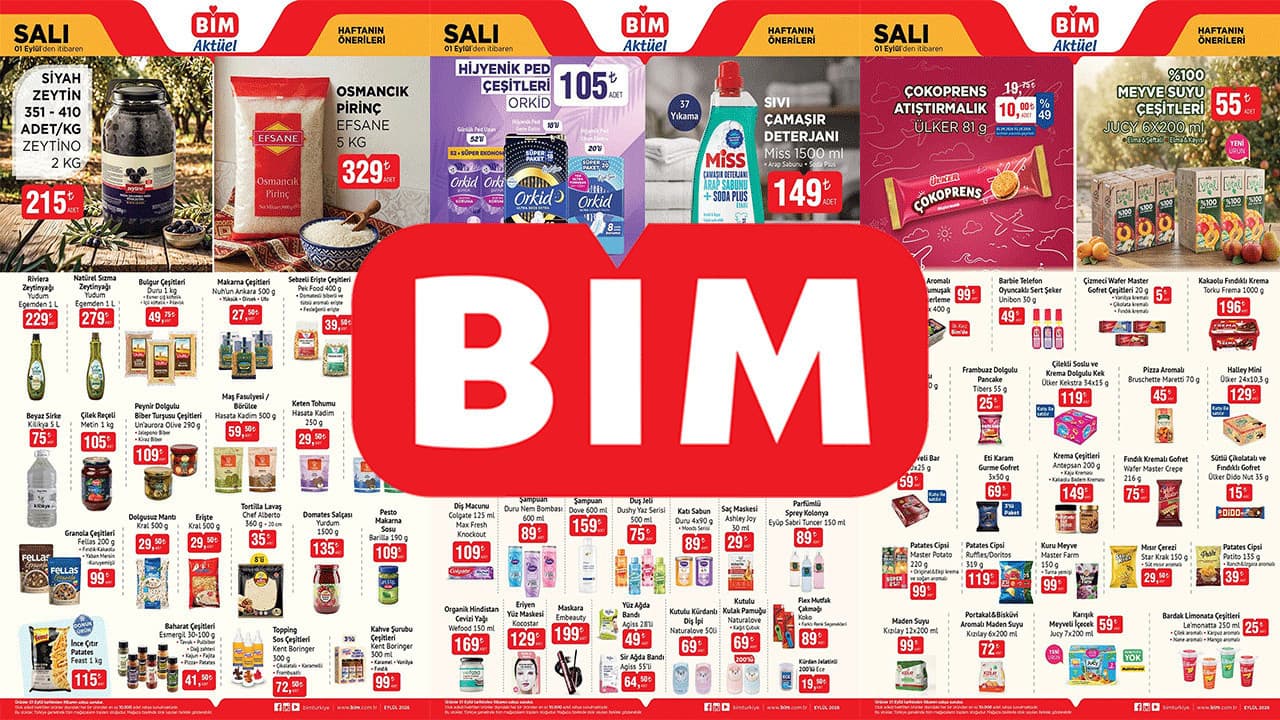
BİM's September Discount Surge: Impact on Grocery Prices and Stock Market
BofA: Turkey’s Repo Resumption Signals Liquidity Normalisation, TLREF Falls from 40% to 37%
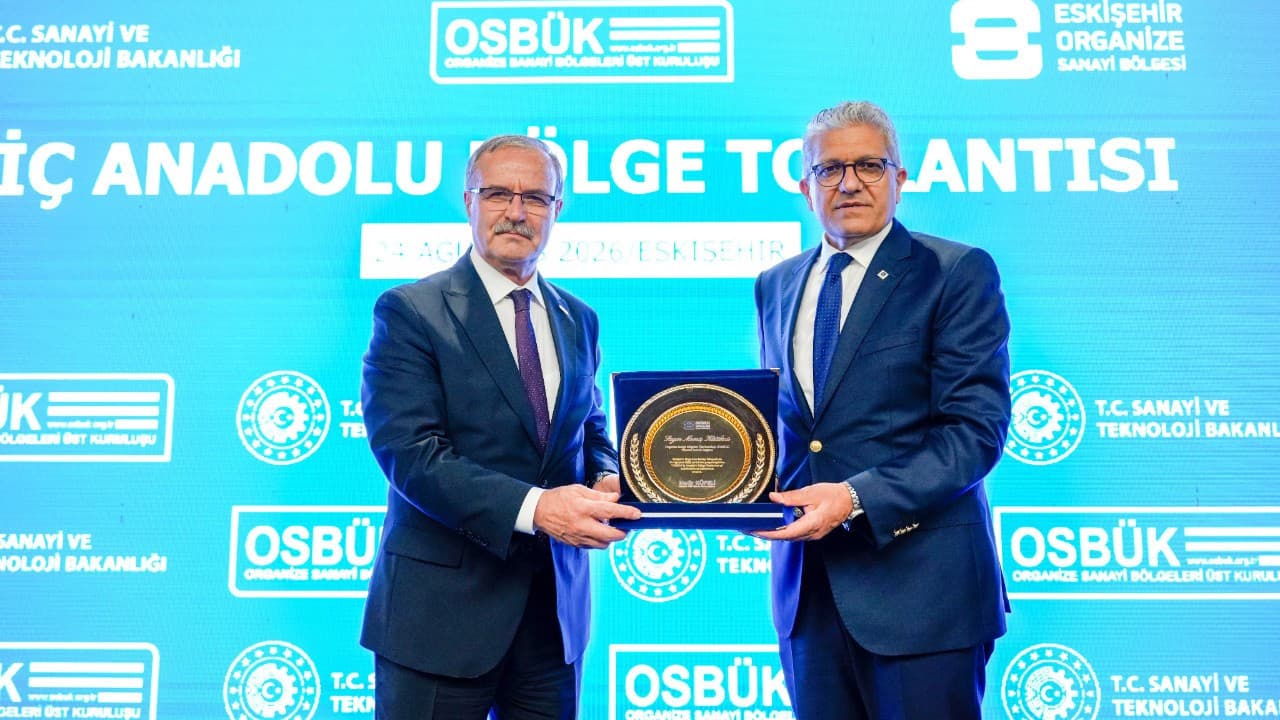
Central Anatolia’s Industrial Parks See **5.2%** Energy Surge, Amplifying Investment Ambitions

Expanding the Tax Base and Introducing Expenditure Audits: Economic Implications

China’s Quiet Robot Revolution: The Silent Rise of Factories

Liquidity Rally in Crypto Assets: Bitcoin Surpasses $80,000 Threshold Amid Macroeconomic Easing Expectations
Latest Market News
All News →
SpaceX’s $100 Billion Louisiana Space Base: Ripple Effects on Local Chip Ecosystem

$103K H-1B Fee: A Threat to 76% of Small Businesses
BİM's September Discount Surge: Impact on Grocery Prices and Stock Market
![[BALAT] BALATACILAR BALATACILIK SANAYİ VE TİCARET A.Ş.
Payların Geri Alınmasına İlişkin Bildirim - 25.08.2026 Tarihli Pay Geri Alımı Hakkında](/_next/image?url=%2Fuploads%2Fkap-default.png&w=3840&q=75)
[BALAT] BALATACILAR BALATACILIK SANAYİ VE TİCARET A.Ş. Payların Geri Alınmasına İlişkin Bildirim - 25.08.2026 Tarihli Pay Geri Alımı Hakkında
