IMF Draws the Red Line: Oil Market Absorbed War Shock But Buffers Are Depleted
724FinanceSavaş Yıldırım
Key Highlights
Küresel petrol piyasası, Orta Doğu'daki savaşın tetiklediği ve son yılların en büyük arz kesintisi olarak nitelendirilen şok dalgasına rağmen, beklent
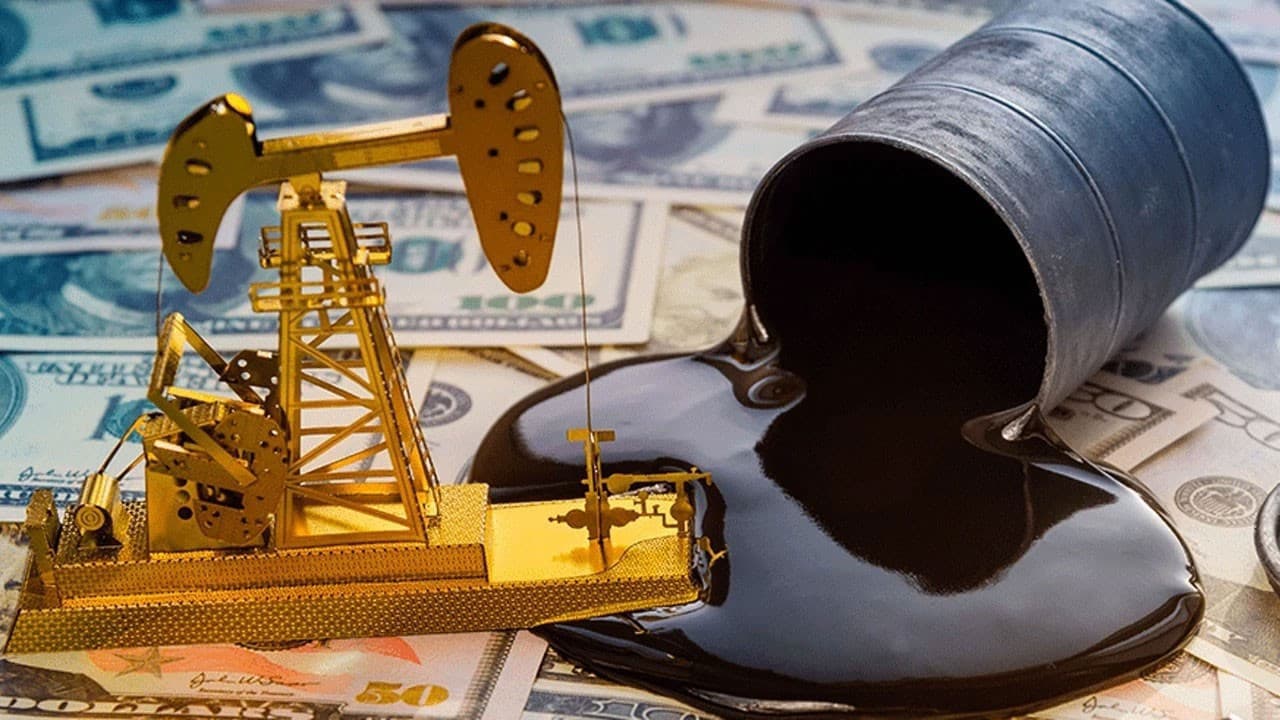
Global oil markets have avoided a massive collapse despite the supply shock triggered by the war in the Middle East, described as the largest supply cut in recent years. However, a critical blog post published by the IMF, authored by Jean-Marc Natal and Azim Sadikov, warns that this calm is deceptive and that the world's energy defense mechanisms have been largely disabled. While the initial shock was weathered, the buffers vital for the market have eroded, leaving the global economy vulnerable to the next crisis.
Price Equilibrium Amidst Historic Supply Cuts
The market's ability to digest the initial surge and stabilize prices between $90-$100 per barrel may appear as a success story from the outside. Yet, this level represents a temporary truce achieved solely through the liquidation of stocks and demand contraction, not a sustainable balance against gravitational forces. The report highlights that by the end of May, the amount of crude oil not reaching the global market exceeded 1.1 billion barrels, a loss equivalent to approximately 10 days of normal global consumption.Strait of Hormuz Uncertainty and Vanishing Maneuver Room
The uncertainty over when freedom of navigation will be fully restored in the Strait of Hormuz, the world's most critical oil transit point, and how quickly confidence in shipping and insurance sectors will recover remains the biggest overhang on markets. Industry sources estimate that it could take 2 to 3 months for oil flows to normalize even after the waterway is fully reopened.Markets are currently experiencing a "calm within the storm"; the stabilization in prices does not mean the problem is solved, merely postponed. We absorbed the war shock by depleting our stocks, but we no longer have the financial or temporal space to employ this strategy again. When the next wave arrives, we may face an economy waiting on the shore with a sandcastle defense.
Related News & Analysis
View All →
Bullish Launches $100 Million Stablecoin Facility for AI‑Backed GPU Lending
Japan's Yen Intervention Hits Record: ¥15.4 Trillion Spent
Japan's Yen Intervention: Market Shockwaves

Euro Zone Confidence Slides to Pre-War Levels
Kuwait and Qatar Revitalize Hurramuz Pipeline, Oil Flow Reaches 70% of Pre‑War Levels

Iran's Full-Scale Economic War: Shockwaves Across Global Markets
Latest Market News
All News →
Tim Draper Puts Tanzanian Private Island Up for Sale, Signaling Luxury Real Estate Shift
Hiring Slowdown: Why New Jobs Are Taking Longer to Appear

Americans Shun Digital Gold: Control and Micro‑Investing Take Center Stage

Lambda Secures $1 B Debt: A New Front in the Chip War