
Chinese Stock Markets Plunge Sharply: Macro Risks and Investor Sentiment Under Pressure
Çinlinin yerel borsalarında görülen sert satışlar, hem iç piyasalara hem de küresel yatırımcı algısına ciddi bir darbe vurmuş durumda. **Shanghai Comp
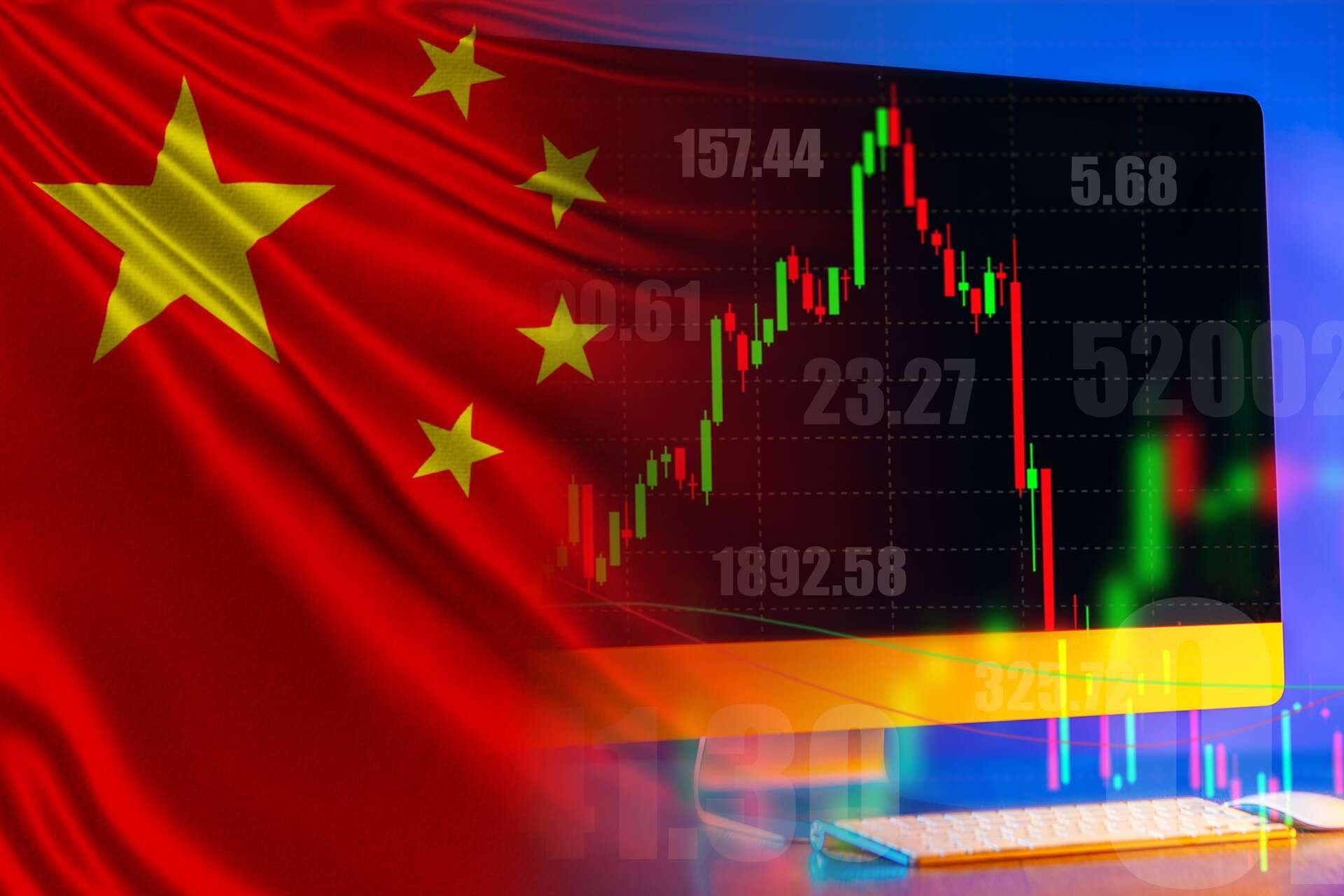
The sharp decline in China's domestic stock markets has dealt a significant blow to both local markets and global investor sentiment. The Shanghai Composite Index dropped 3.2% to below 3,100, while the Shenzhen Component Index followed suit. This decline stems from the People's Bank of China (PBOC)'s policy signals and concerns over the reliability of key macro indicators, such as GDP growth hovering below 5%.
The rise in external debt costs and declining forex reserves have added another warning light for global investors. The IMF highlighted threats to CNY's stability from factors undermining short-term fiscal discipline, while institutions like the European Central Bank and the U.S. Federal Reserve attempt to balance these risks through currency restrictions and liquidity support packages. However, markets remain skeptical about their ability to ensure fundamental stability. Chinese stock markets are navigating a critical phase amid global liquidity tightening and the Fed's interest rate hike decisions in Q4 2023. Amid this tight environment, local investors are shifting toward strategic asset protection, while global funds are reinforcing divestment strategies from Chinese equities. Market dynamics remain trapped between macroeconomic uncertainty and policy missteps.
Kerem Tufan: This sharp sell-off in Chinese markets reflects the tangible and intangible impacts of global liquidity tightening. The PBOC's rigid interest rate policies are fueling domestic fund exits, while foreign investors are raising risk premiums due to CNY instability. This trend exacerbates credit tightening in SMEs, pushing the door to a multi-layered economic deadlock. In the short term, China's financial structure will face greater scrutiny against the backdrop of EU parallels and U.S. monetary policy consistency.
Related News & Analysis
View All →
Foreign Investors' $150M Equity Purchase: What It Means for Turkey's Markets
KKM Falls to Zero: A Quiet Shift in Turkey’s Deposit Landscape
Foreign Investors Boost Equities as DİBS See Limited Liquidation: Small Exit, Big Momentum

BofA’s Star Stocks Shine in Borsa Istanbul, HSBC Surges at 14:30
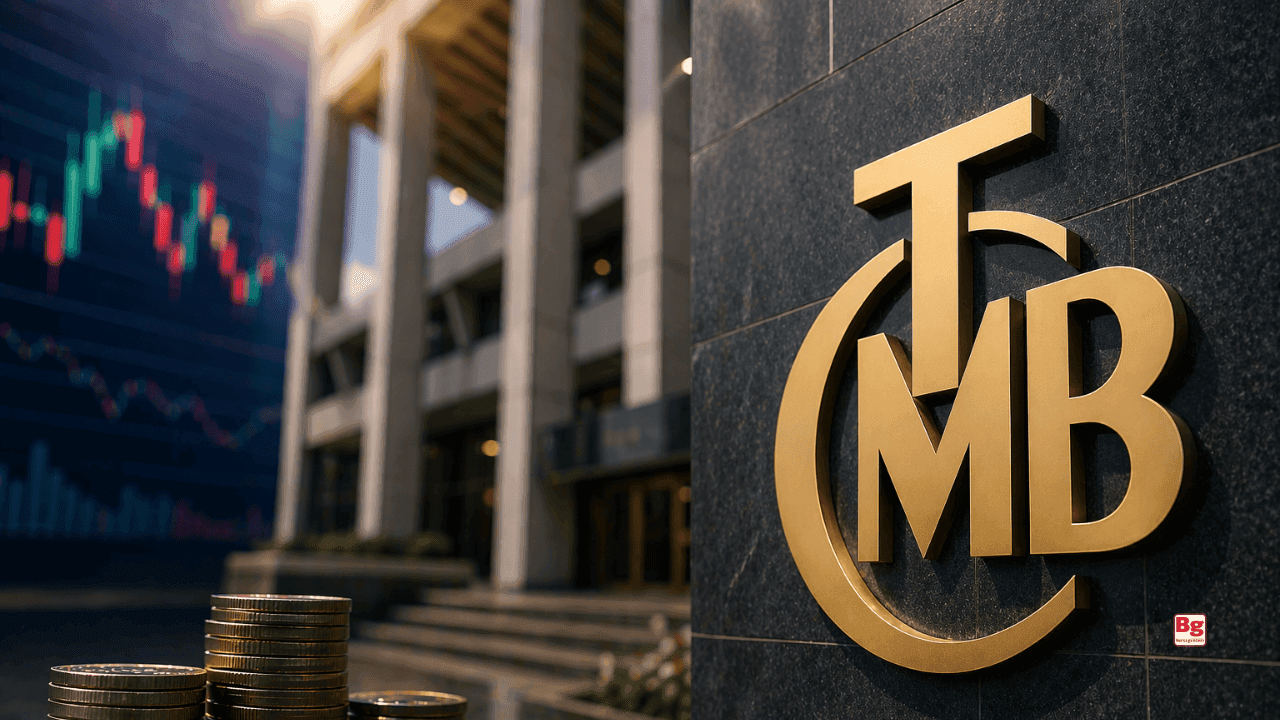
Turkish Central Bank Reserves Surge to $188.4 Billion as Gold Holdings Climb

China’s Tariff Warning Signals: Reserving the Right to Act
Latest Market News
All News →
Turkey’s Railways Lead Digital Shift with Full E‑Ticket Rollout on Sept. 1

Hyundai’s Affordable High‑Performance Line for 2030: A New Era in Automotive Markets

US Moves to Impose Fresh Semiconductor Tariffs: A Storm Brewing in the Chip Industry
Foreign Investors' $150M Equity Purchase: What It Means for Turkey's Markets

OpenAI Launches Ads on Free ChatGPT Tiers in India
