India's Fuel Tax Strike Escalates Global Supply Fears
Hindistan, küresel enerji piyasalarında derinleşen belirsizlikler ve Hürmüz Boğazı'ndaki tansiyonun yeniden yükselmesiyle birlikte, dizel ve jet yakıt
India has nearly doubled export taxes on diesel and jet fuel for a two-week period starting July 16, implementing a sharp regulatory measure as the resurgence of the Hormuz crisis threatens to further tighten global fuel markets. The move by New Delhi aims to navigate domestic and international volatility, introducing new levies for the July 16-31 period that risk exacerbating existing strains on global energy supplies.
Tax Hike Amid Hormuz Tensions
According to a notice from the Indian Finance Ministry, the revised tax policy reflects the urgency of current geopolitical risks, with key adjustments including:
While these increases remain below the peaks seen during the early weeks of the Iran war—when taxes were three to four times higher due to a scramble for non-Hormuz crude—they signal a proactive shift in India's strategy to manage domestic availability amidst spiraling international prices.
Global Refinery Bottleneck
Analysts warn that the increased export duties could curb India’s high fuel exports, delivering a blow to a global market already grappling with exceptionally tight diesel stocks. The supply crunch is compounded by external shocks to production capabilities.
India's intervention underscores the persistent inflationary pressures and supply chain fragility within emerging markets. With Russia's refining output still hampered, India's move to safeguard domestic supply by restricting exports will likely push global diesel spreads even higher. From our desk, we are closely monitoring the volatility in Asian refining margins; any price shock here will have immediate repercussions on industrial production costs across Europe, reinforcing the divergence between crude and product markets.
Related News & Analysis
View All →
NASA's Roman Space Telescope: Search for Life in the Milky Way

AI Revolution: Big Law Firms Forced to Cut Fees Amid Tech Shift
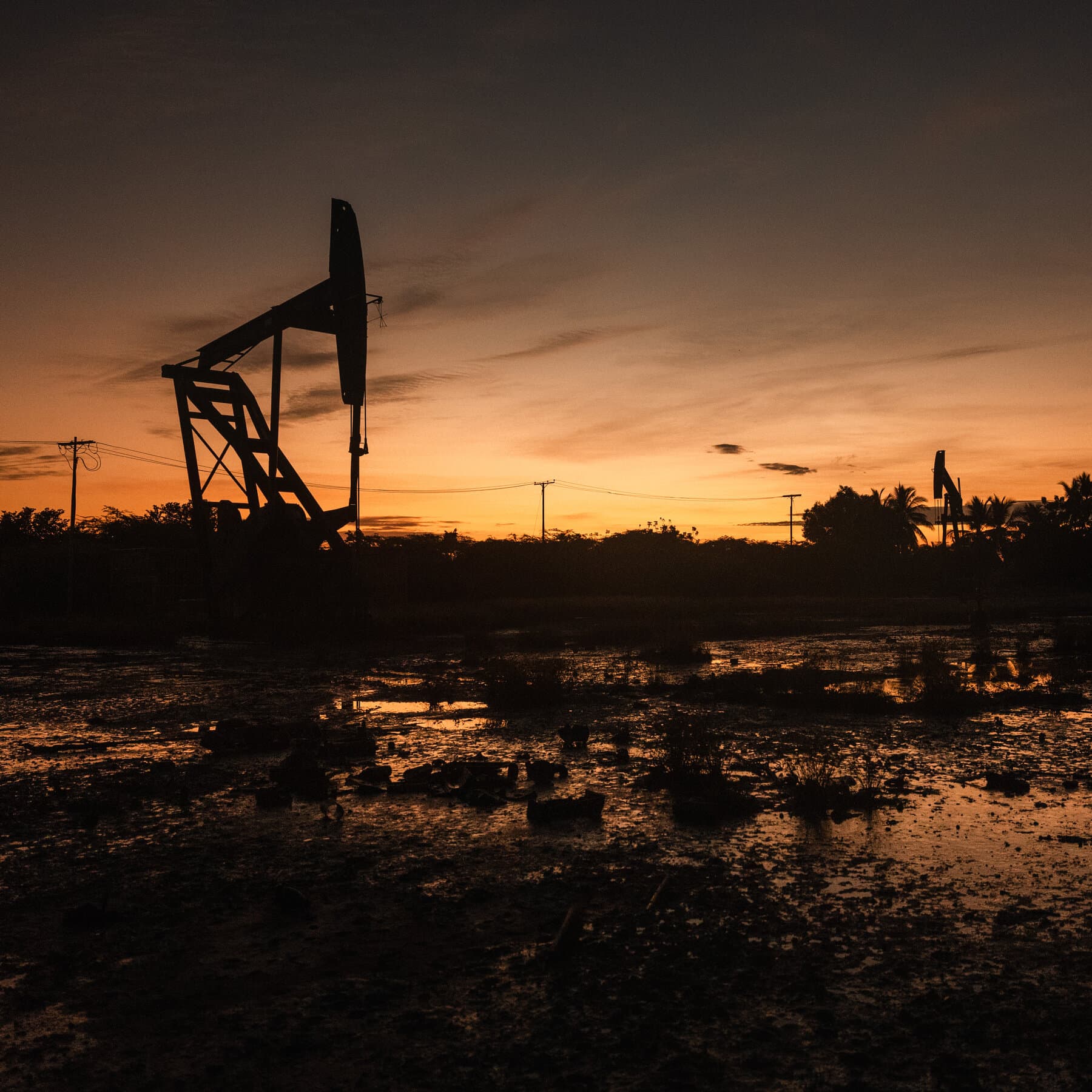
Pentagon's Foray into Venezuelan Oil Business: A New Era for U.S. Energy Strategy

Alteon's Year-Long Flight Ambition Backed by Investor: Revolutionizing Aviation Energy Efficiency

Semiconductor Sector's New Rise: China's Rare Earth Dependence and ASML Machines

Olivia Rodrigo and Melinda French Gates Raise $20M for Women’s Rights: How Gen Z is Bridging Political and Social Movements
Latest Market News
All News →
Anthropic's Nvidia-Backed Lambda Deal: The Shadow of a $35 Billion Investment on Banking

Polymarket Raises $1 Billion: Trump Jr.’s 1789 Capital Invests $300 Million

Polymarket's $1 Billion Raise: 1789 Capital and Trump Jr.'s $21 Billion Valuation

Turkey's GDP Grows 2.3%: Strong Quarter for Manufacturing and Production

U.S. Debt Crisis Strengthens Bitcoin's Bull Case: Call Options at $80K-$100K Cross $10 Billion in Notional OI