
Chinese Storm in the European Auto Market: Credit Risks and the New Trade Regime
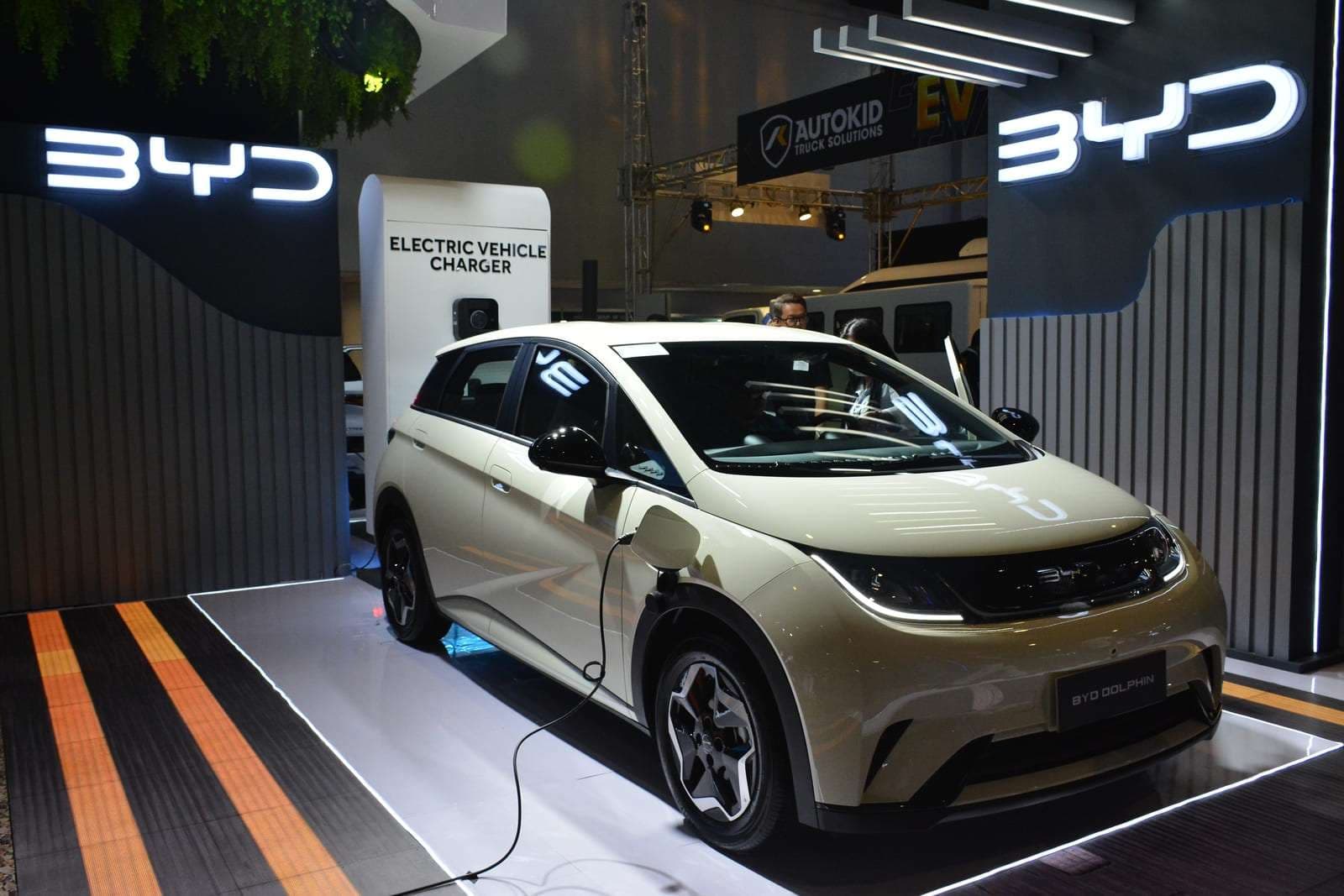
The European automotive industry faces one of the most significant structural tests in its history; the aggressive pricing strategies and rapid market penetration of Chinese manufacturers are not only shaking the continent's automotive dominance but also reshaping the financial risk pyramid. Led by giants like BYD and SAIC, this rapid rise in the electric vehicle (EV) segment is altering the competitive landscape and creating a pressure element that threatens the commercial loan repayment capacity of traditional SME suppliers and the automotive portfolios of the banking sector.
The West Asian Movement Breaking Down Europe's Doors
Data from the European market clearly shows that Chinese brands are no longer niche players but have become a mainstream force. This shift causes a loss of market share for local manufacturers while creating a demand surge fueled by consumer price sensitivity.
Risks Spilling into the Banking Sector
The financial side of this trade war is of critical importance regarding commercial loans and macroprudential measures. SMEs in the traditional automotive supply chain in Europe are facing liquidity constraints due to order losses, while credit risk premiums for the sector in banks are under upward pressure. On the other hand, Chinese manufacturers deploying their own finance companies are constraining local banks' market share.
As Kerem Tufan, analyzing market developments, I see this clearly: The offensive of Chinese automakers in Europe is not merely a competitive event but a macroeconomic breaking point that deeply affects the banking sector's risk appetite and credit portfolio composition. The imbalance between the collapse rate of traditional industry and the rise of new technology will force a shortening of commercial loan maturities and an urgent revision of risk management models.