
Iraq-US $60 Billion Mega Deal: A Strategic Economic Partnership Reshaping Energy and Finance Sectors?
Irak resmi ajansı INA, Başbakan Ali Falih ez-Zeydi'nin Washington ziyareti kapsamında, Irak ile ABD arasında toplam değeri **60 milyar dolar** olan **

Iraqi official agency INA announced that 50 agreements and memorandums worth a total of $60 billion will be signed between Iraq and the United States during Prime Minister Ali Falih ez-Zeydi's visit to Washington. These agreements aim to leverage Iraq's natural and mineral resources to support economic growth through international investment. Speaking at a business conference organized by the American Chamber of Commerce, Prime Minister Zeydi emphasized Iraq's readiness to offer investment opportunities in various sectors and highlighted the country's pursuit of development partners rather than just contractors. U.S. corporate representatives noted that Iraq's institutional, fiscal, and banking reforms have created a more transparent and accessible investment environment.
Bridging Natural Resources and U.S. Investors: Iraq's Strategic Gambit
Discussions underscored Iraq's vast potential in oil, natural gas, and mining sectors, which remain underdeveloped despite their global significance. U.S. firms, particularly those in energy and gold trading, expressed interest in participating in Iraqi projects. Banking and financial sector reforms were also cited as measures to reduce risks and enhance transparency for international investors.
Iraq's Integration into Global Markets
This collaboration marks a pivotal step in Iraq's integration into global economic systems. Increased currency inflows and export growth may influence companies listed on BIST 100 or international exchanges. However, ongoing political uncertainties and regional risks remain critical concerns for investors.
Caner Yılmaz: The Iraq-U.S. partnership, particularly in energy and gold sectors, could act as a directional catalyst for BIST 100 energy stocks. Trends supported by Fibonacci corrections suggest a positive outlook for export-driven growth, though geopolitical risk management remains paramount.
Related News & Analysis
View All →
JPMorgan's Bullish Signal Lights Up Global Markets
Banking Resilience Amidst BIST 100 Volatility
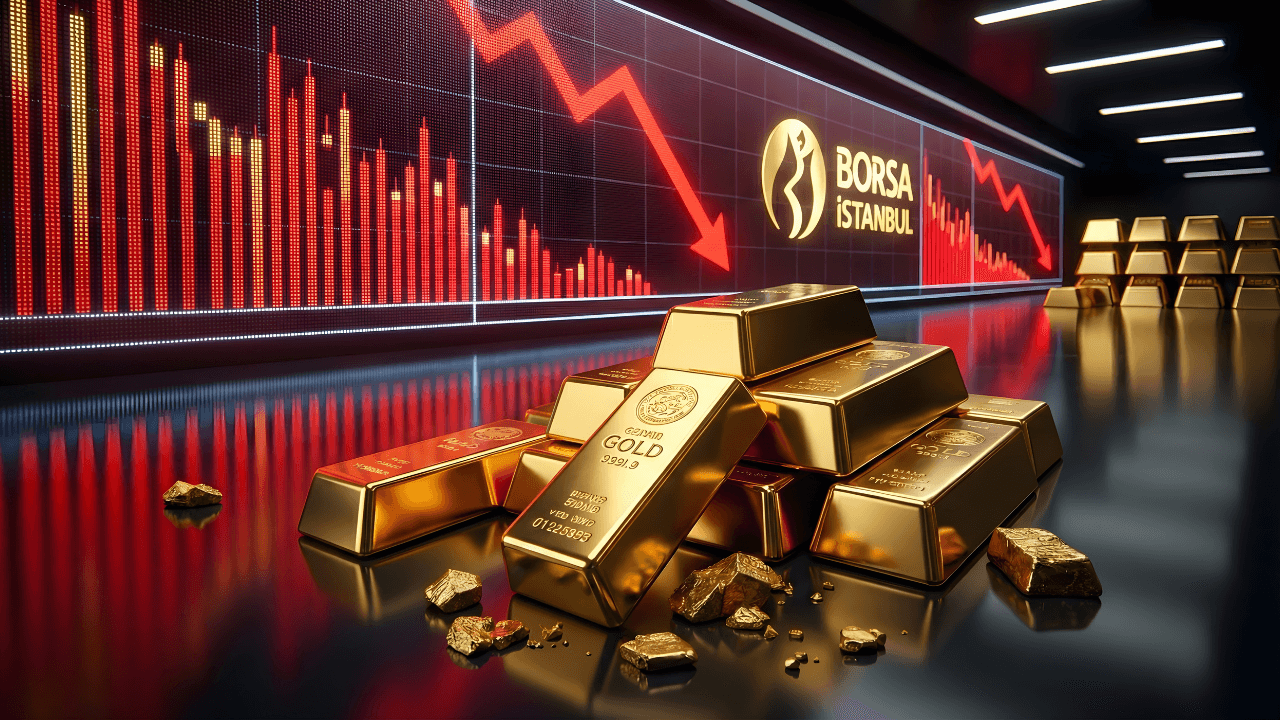
Gold Price Slides 1.8% to 6.735 Million Lira, Market Decline

Erdogan-Putin Summit: Akkuyu Nuclear Plant Sparks Energy Revolution
U.S. Tightens Iran Sanctions, Reroutes 84 Commercial Vessels

Bakırcı GYO Joins BIST 100: A New Catalyst for Istanbul Markets
Latest Market News
All News →![[KCHOL] KOÇ HOLDİNG A.Ş.
Pay Alım Satım Bildirimi
/ TUPRS - Hisse satışı](/_next/image?url=%2Fuploads%2Fkap-default.png&w=3840&q=75)
[KCHOL] KOÇ HOLDİNG A.Ş. Pay Alım Satım Bildirimi / TUPRS - Hisse satışı

Black Sea Mackerel Surge: Fishing Ban Lifted, Markets Overflow
[MRBAS, MRS] MARBAŞ MENKUL DEĞERLER A.Ş. Şirket Genel Bilgi Formu - Şirket Genel Bilgi Formu
[MRBAS, MRS] MARBAŞ MENKUL DEĞERLER A.Ş. Özel Durum Açıklaması (Genel) - Yönetim Kurulu Üyesi İstifası

Singapore Moves to Bring Cross‑Border Stablecoins Under Its Regulatory Umbrella