
Stealth Oil Maneuvers: Iran's High-Stakes Gamble in the Strait of Hormuz
İran, ABD'nin limanlara yönelik yeniden abluka başlatma tehditleri eşliğinde, dünyanın en kritik enerji koridoru olan Hürmüz Boğazı üzerinden petrol t
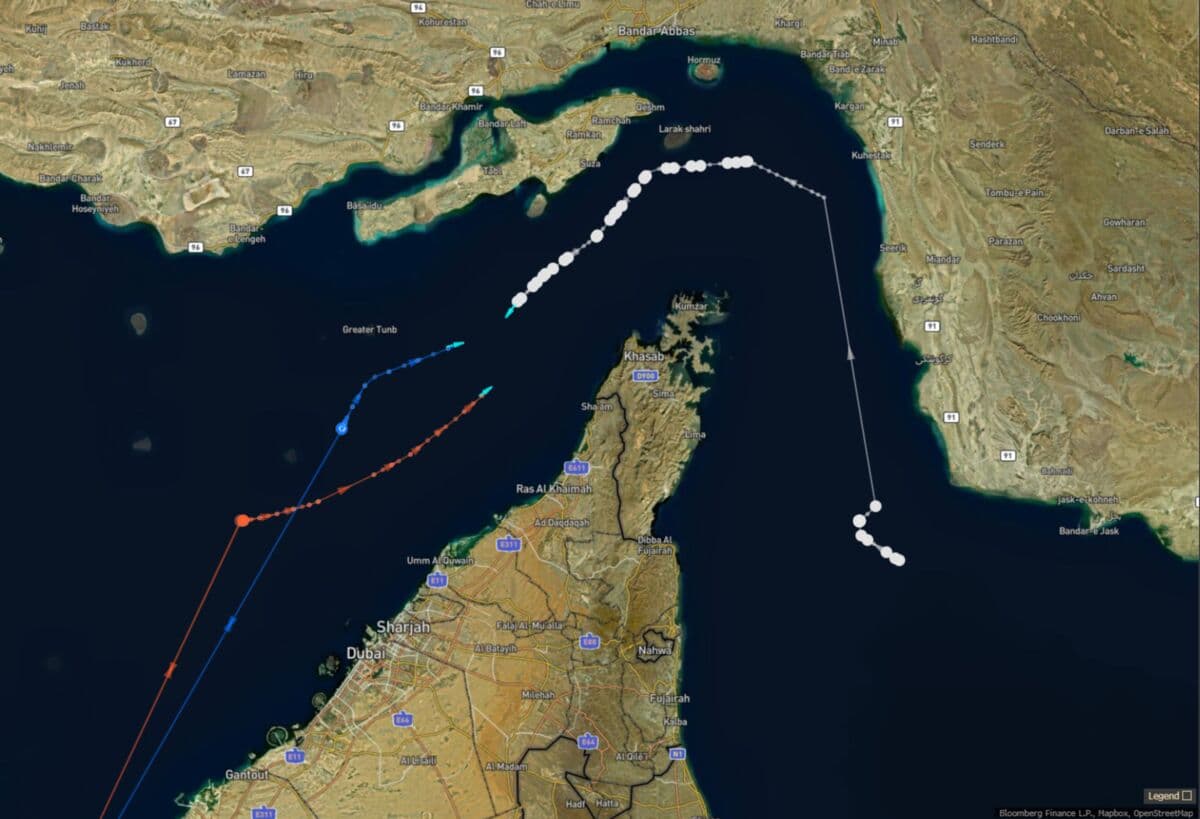
Iran is racing against time to evacuate oil tankers through the Strait of Hormuz, executing stealth operations just as the US signals a return to a stringent blockade of Iranian ports amid escalating hostilities.
The Stealth Game in the World's Most Critical Chokepoint
Tehran has pivoted to a "ghost tanker" strategy to liquidate stocks and secure cash flow before Washington's threats of physical blockades materialize. These covert shipments prove that the geopolitical tension in the region has evolved from a diplomatic crisis into a direct supply chain war.
Washington's Pressure and the Global Risk Premium
The intensifying threats from the Trump administration are driving up the "risk premium" in energy markets. The possibility of port closures could create a domino effect, impacting not only Iran but all regional energy exporters and, consequently, industrial production lines sensitive to energy costs.
Such instabilities in energy corridors do not merely affect oil prices; they drive up operational costs for energy-intensive industries like semiconductor manufacturing. Any disruption in logistics lines can ripple through the tech supply chain, from the shipment of ASML lithography machines to the energy overheads of TSMC. Markets are currently monitoring Iran's "escape" maneuvers, but the real systemic shock will occur the moment a blockade is formally implemented.
Related News & Analysis
View All →
Solana Breaks $100, Bitcoin Surges Past $80,000: A New Fast-Moving Contender in Crypto

Prediction Markets vs. U.S. Government: The Legal Battle Over Kalshi and Polymarket

Le Pen’s Business‑Winning Blueprint and €10 Billion Spending Cut

Alphabet's £260 Million Settlement: The Digital Giant's Legal Exit

Social Security Crisis: Wealthy Baby Boomers and National Debt
A. O. Smith Corp (AOS) Stock: Wall Street Outlook and Risk Analysis
Latest Market News
All News →
KAMUYU AYDINLATMA PLATFORMU Kamuyu Aydınlatma Platformu Duyurusu / HPF, INFO, IYF, OZSUB, PASEU, PNU, PRY, SDTTR - Özel Durumlar Tebliği'nin 12-(4). maddesi gereğince yapılan açıklama
[POLHO] POLİSAN HOLDİNG A.Ş. Kurumsal Yönetim İlkelerine Uyum Derecelendirmesi - Kurumsal Yönetim İlkelerine Uyum Derecelendirmesi

SPK Revamps Portfolio Strategies with Gold, Biotech, Energy, and Commodity Funds
The Sandbox’s 1:1 SAND Compensation Plan After Bridge Exploit
Solana Breaks $100, Bitcoin Surges Past $80,000: A New Fast-Moving Contender in Crypto