Iran’s Mafia‑Style “Protection” Toll on the Strait of Hormuz: Is the $20 Billion Goal Viable?
724FinanceDefne Aydın
Key Highlights
İran, Hormuz Boğazı'nda ticareti "koruma" karşılığında bir ücret talep etmeyi önererek, küresel enerji akışını yeniden fiyatlandırma girişiminde bulun

Iran is proposing a "protection" fee for ships transiting the Strait of Hormuz, aiming to reshape global energy flows with a hefty price tag.
The “Protection” Toll: Iran’s Strategic Play
Iranian officials have floated a mafia‑style "protection" fee for vessels passing through the Strait. The proposal escalates regional geopolitical tension while potentially overhauling the cost structure of maritime trade.
The $20 Billion Target: A Pipe Dream?
Iran seeks to capture $20 billion annually. Given current traffic volumes and the tolerance of international shippers, this figure appears overly ambitious—many analysts label it a pipe dream.
Ripple Effects on Regional Trade Flows and Tariff Policies
Potential Market Repercussions
Markets view Iran’s demand as a short‑term risk. If implemented, the added cost to energy logistics could act as an extra inflationary driver, prompting major central banks—ECB, Fed, and others—to reassess their policy paths. This scenario underscores the need for vigilant monitoring of geopolitical‑driven financial shocks.
Related News & Analysis
View All →
Silicon Valley Schools Launch Their Own VC Funds: A New Model from Academia to Investment

New York City Council Targets Prediction Market Giants: Implications for Regulated Trading

China-Indonesia Naval Drill Encircles Taiwan: Geopolitical Risk Escalates in Chip Markets

Colombia Earthquake Rocks Global Coffee Supply at its Core

Vestas Rockets as Wind Turbine Orders Surge: Shares Jump 12 %
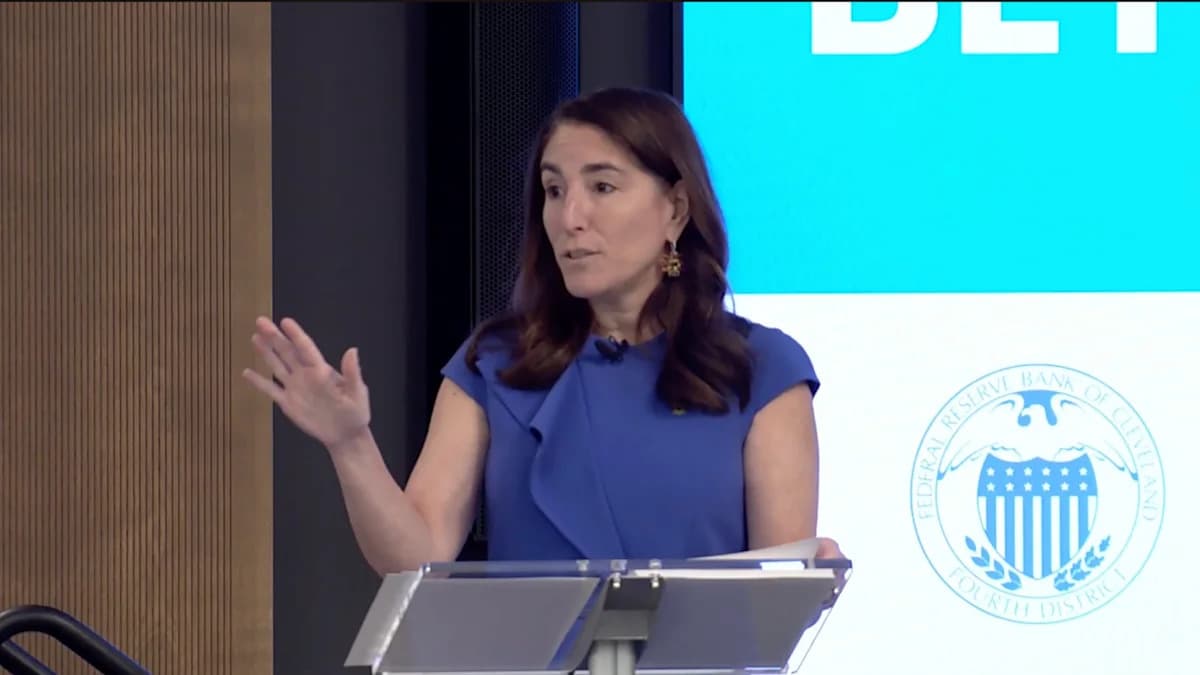
Cleveland Fed’s Beth Hammack Calls for Multiple Rate Hikes to Tame Inflation
Latest Market News
All News →
Italy's Inflation Summer Shift: Consumer Prices Drop by 1%
Silicon Valley Schools Launch Their Own VC Funds: A New Model from Academia to Investment
Super Micro Soars After Earnings: Wall Street’s New Favorite

Kalshi’s Battlefield: CFTC’s Emergency Powers Keep Trading Amid New York Suit

The Counter-Espionage Sting: How a Fake Crypto Startup Outsmarted North Korean Operatives