
Sanaenomics: Japan’s High-Stakes Fiscal Pivot
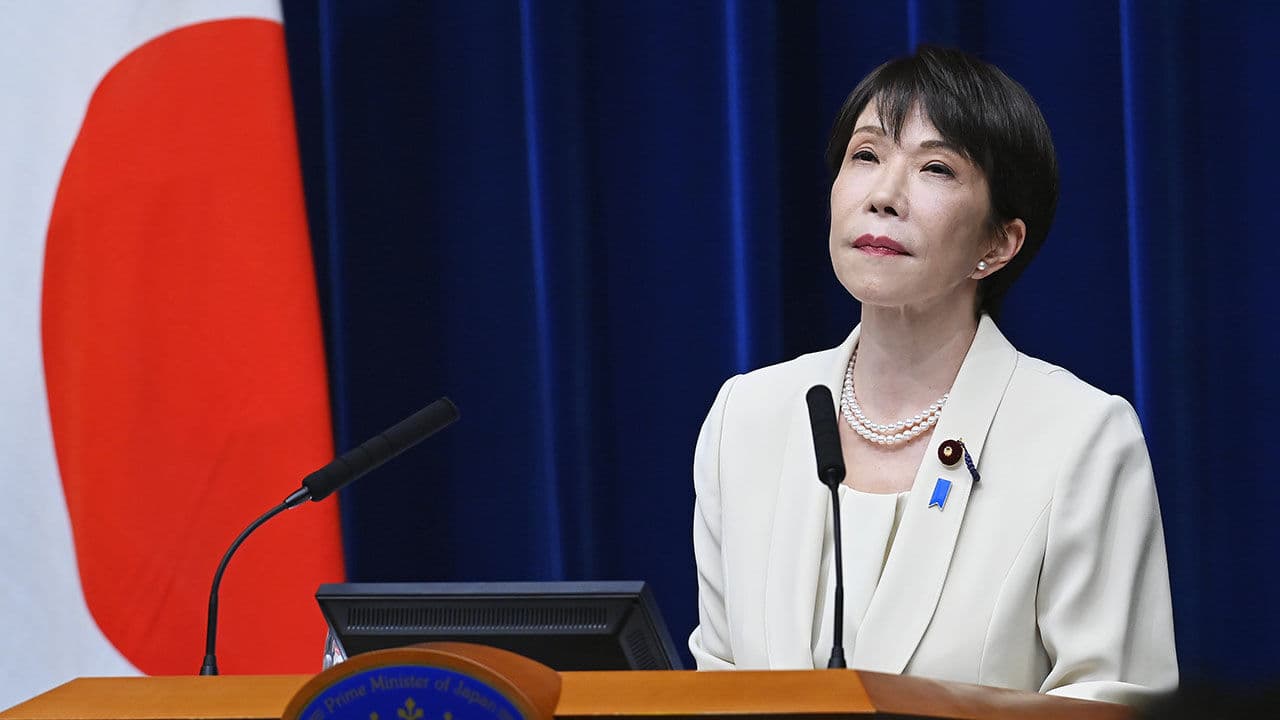
Prime Minister Takaichi Sanae, while positioning herself as the heir to the late Abe Shinzo, is steering Japan's economic trajectory toward a perilous new direction. Since taking office in October, Takaichi has signaled a strategic departure from the traditional "Abenomics" framework, introducing a fiscal stimulus that critics argue is fundamentally mistimed.
A Strategic Break from the Three Arrows
Two plans published this month by Takaichi prove that the "three arrows" of Abenomics—loose monetary policy, expansionary fiscal policy, and structural reform—are no longer the guiding light for Tokyo. The key shifts include:
The Perils of Ill-Timed Expansion
Analysts warn that this fiscal stimulus is an "ill-timed" maneuver given the current macroeconomic climate. With Japan already grappling with a staggering public debt load, the risks of this new expansion are significant:
Markets should not view Japan's fiscal expansion as a simple growth play. The real danger here is 'fiscal dominance' completely eroding the central bank's independence. If Takaichi continues to increase spending while ignoring borrowing costs, a hidden liquidity stress in the Repo markets is inevitable. A sudden spike in JGB yields could trigger a 'carry trade' unwind that would shake not only Japan but global bond markets as a whole.