Japan's Risky Gambit: Balance Sheet Reduction Over Rate Hikes
Küresel merkez bankacılığı tarihinde nadir görülen bir deney, Japonya'nın parasal sıkılaşma stratejisinde kendini gösterdi. Geleneksel faiz artırımlar
In a rare experiment in the history of global central banking, Japan's monetary tightening strategy took an unconventional turn. Seeking to avoid the shockwaves typically associated with traditional interest rate hikes, Tokyo tested an alternative method suggested by Kevin Warsh, focusing on the reduction of the central bank's balance sheet.
Escaping the Rate Trap: The Balance Sheet Strategy
While standard central bank toolkits rely on policy rate hikes to cool the economy by rapidly increasing borrowing costs, Japan opted for a different path to minimize market volatility:
Theoretical Expectations vs. Operational Realities
The primary goal of this strategy was to manage inflationary pressures without triggering a sudden financial shock. However, the execution revealed a significant gap between theoretical models and actual market reactions. Because balance sheet reduction does not provide as immediate or clear a signal as a rate hike, it complicated the market's ability to price in future moves.
From a macroeconomic perspective, uncertainty regarding discount rates poses a direct risk to the intrinsic valuation of companies. When calculating the Weighted Average Cost of Capital (WACC) in a DCF model, non-transparent tightening methods by a central bank increase the margin of error in terminal value projections. The Japanese case proves that when the market struggles to decode 'indirect tightening' signals, equity premiums become highly susceptible to volatility.
Related News & Analysis
View All →Helium Squeeze: How the Iran War is Turning Party Balloons into a Luxury Asset
Software Stocks Shake Off AI Fear: Rally Likely to Run Through October
The Sovereignty Battle in Intergenerational Wealth: The $800,000 Roth IRA Dilemma
Hiring Slowdown: Why New Jobs Are Taking Longer to Appear
Tim Cook: Redefining Apple Through Supply Chain Mastery
Blazing Earnings Growth: Why the Momentum May Not Last
Latest Market News
All News →
Trump: Venezuela Oil to Refill US Reserves – A New Chapter in Energy Strategy

Walmart Stock Lags Nasdaq: What Drives the Drop?

NWSL’s 2027 Calendar Shift: A New Playbook to Attract Capital

Samsun Çarşamba Airport Set to Expand Passenger Capacity to 3 Million
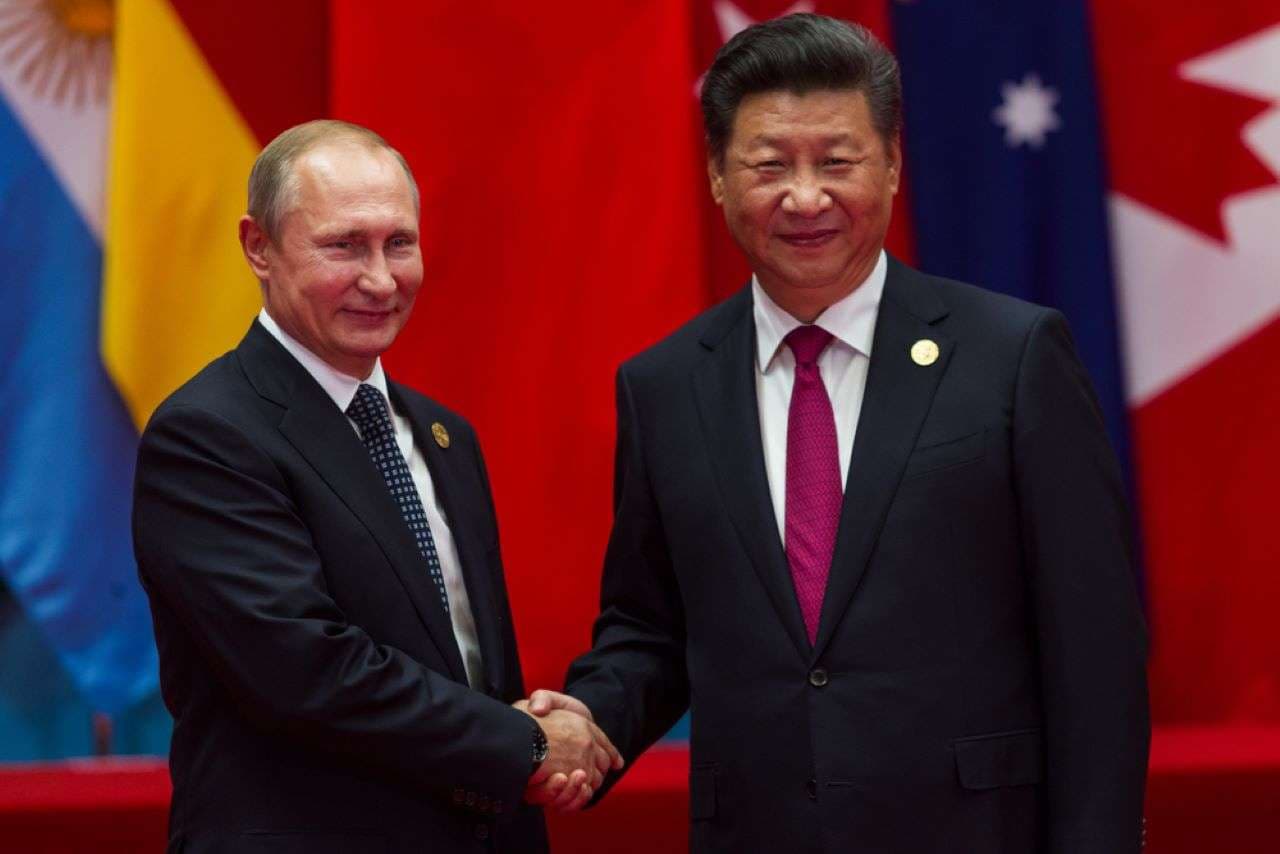
Moscow Deepens Dependence on Beijing: Strategic Shift Before Putin‑Xi Meeting