
Boeing's 20-Year Forecast: Long-Term Demand Strength and Supply Gap Risks in Aviation
Küresel belirsizliklere rağmen **Boeing**, 2026-2045 döneminde **43.625 yeni yolcu ve kargo uçak** teslim edeceğini öngören 20 yıllık pazar projeksiyo
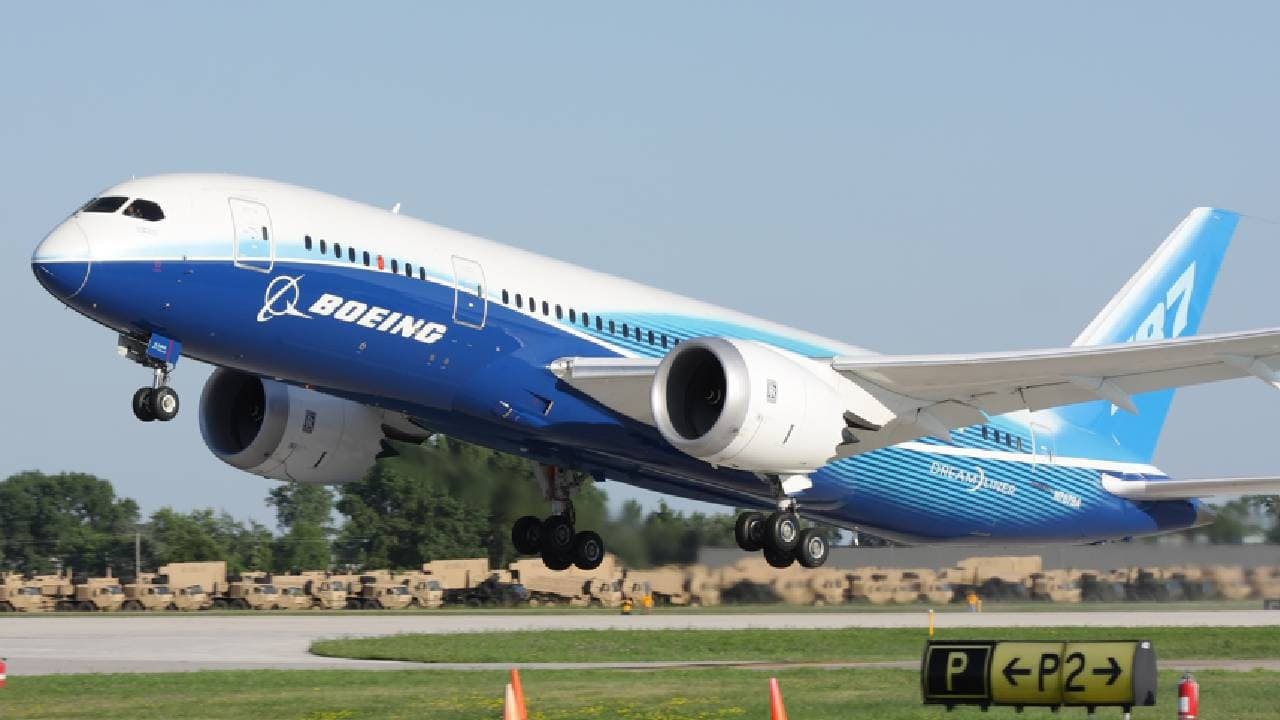
Despite global uncertainties, Boeing has published a 20-year market outlook forecasting the delivery of 43,625 new passenger and cargo aircraft between 2026-2045. This projection, which aligns with last year's figures, signals the strong long-term trajectory of demand in the aviation sector. According to the forecast, of the delivered aircraft, 33,545 will be single-aisle, 7,715 wide-body, 930 cargo aircraft, and 1,435 regional jets. Compared to Airbus, which reduced its 20-year delivery target to 42,060 due to the Iraq war and trade tensions, Boeing's more optimistic outlook reflects diverging expectations in the industry.
Supply Deficit and Production Constraints
Boeing anticipates a supply gap of approximately 2,000 aircraft by 2026, with single-aisle constraints expected to persist for another decade and wide-body shortages extending to the early 2030s. Supply chain bottlenecks remain a critical pressure point, particularly as the industry transitions to next-generation fuel-efficient aircraft, projected to reach %92 of the fleet by 2045.
China's Dominance and Regional Distribution
The forecast indicates that China will lead deliveries during 2026-2045 with a %21 share, followed by Eurasia (%20), North America and Southeast Asia (%19), Middle East and Africa (%10), Latin America (%6), and Oceania and Northeast Asia (%5). Long-term demand is expected to be driven by international trade growth, tourism expansion, migration flows, and airline network development.
Rüzgar Ersoy
The steady long-term growth in aviation demand parallels innovations in digital payment systems within financial technologies (Fintech). Boeing's supply deficit warning underscores the critical importance of supply chain digitization. In the banking sector, capital adequacy ratios (CAR) and net interest margins (NIM) highlight the need for strategic planning to navigate similar shocks. Particularly, China's leadership position positions the Asia-Pacific region as a catalyst for new financial transformations.
Related News & Analysis
View All →
Harvesting Hope: Agriculture Surges 13.3% Amid Green‑Rain Boom

EU’s Brazil Meat Ban: A New Shockwave in Global Food Supply

Permisan Perde Drives Global Expansion with Smart Shading Revolution

Eurozone Inflation Hits 3.3%: Energy Shock Sends Ripples Through Markets

Data‑Center Loans Tighten Asian Banks' Credit Capacity

TÜGİAD Elevates Turkish Youth Entrepreneurs at G20
Latest Market News
All News →![[NETCD] NETCAD YAZILIM A.Ş.
Özel Durum Açıklaması (Genel) - Yatırımcı İlişkileri Bölüm Yöneticisi Ataması Hk.](/_next/image?url=%2Fuploads%2Fkap-default.png&w=3840&q=75)
[NETCD] NETCAD YAZILIM A.Ş. Özel Durum Açıklaması (Genel) - Yatırımcı İlişkileri Bölüm Yöneticisi Ataması Hk.
[ETILR] ETİLER GIDA VE TİCARİ YATIRIMLAR SANAYİ VE TİCARET A.Ş. Sermaye Artırımı - Azaltımı İşlemlerine İlişkin Bildirim - Tahsisli Sermaye Artırımı ? Borsa İstanbul Fiyat Belirleme Süreci
BORSA İSTANBUL A.Ş. Endeks Şirketlerinde Değişiklik / BKRGY - -
[FENER] FENERBAHÇE FUTBOL A.Ş. Hak Kullanım Süreç İptal Bildirimi - 01.06.2025-31.05.2026 Özel Hesap Dönemi Olağan Genel Kurul Toplantısı İptali Hakkında Bilgilendirme

HSBC's Top-Traded BIST 100 Stocks and Technical Signals