
Red Meat Producers Caught in a Margin Squeeze: Structural Risks Intensify
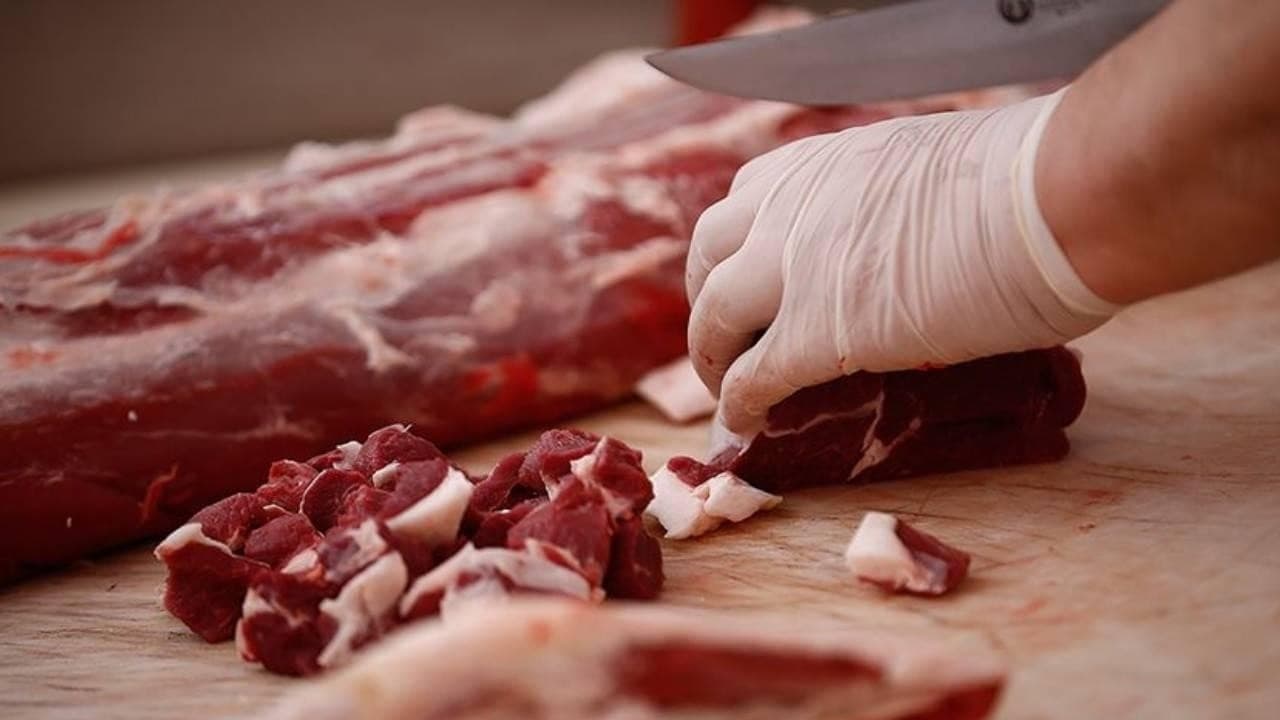
Red meat producers are facing a precarious squeeze as rising production costs collide with declining slaughter prices. This volatility is rapidly eroding breeder profitability and signaling a structural imbalance that threatens long-term supply security.
Diverging Trends: Cattle vs. Small Ruminants
Data from slaughterhouses reveals a significant retreat in beef prices. After peaking in late March, prices have regressed to early-year levels by mid-July. Conversely, the small ruminant market is moving in the opposite direction, widening the price gap.
The Input Cost Explosion
Producers are battling not only declining slaughter prices but also an aggressive surge in operational overheads. Import policies continue to exert downward pressure on prices, further squeezing production margins.
State Intervention via ESK
Following the price decline, the Meat and Milk Institution (ESK) has resumed livestock procurement and slaughtering to stabilize the market. The institution's new pricing structure varies between domestic and imported breeds.
This cost-price mismatch within the production chain is not merely a cyclical fluctuation but a symptom of profound planning failures. The rapid erosion of breeder margins could trigger a wave of exits from the industry in the medium term, posing a significant risk to food supply security. The failure to distribute procurement and slaughter programs across a full 12-month cycle leaves the market vulnerable to seasonal volatility.