TUSAŞ Completes KAAN Prototype Taxi Test, Marking a New Era for Indigenous Defense
Türk Havacılık ve Uzay Sanayi (**TUSAŞ**), Milli Muharip Uçak (**MMU**) KAAN'ın **P1** prototipinin taksi testini sorunsuz tamamlayarak, yerli savaş u
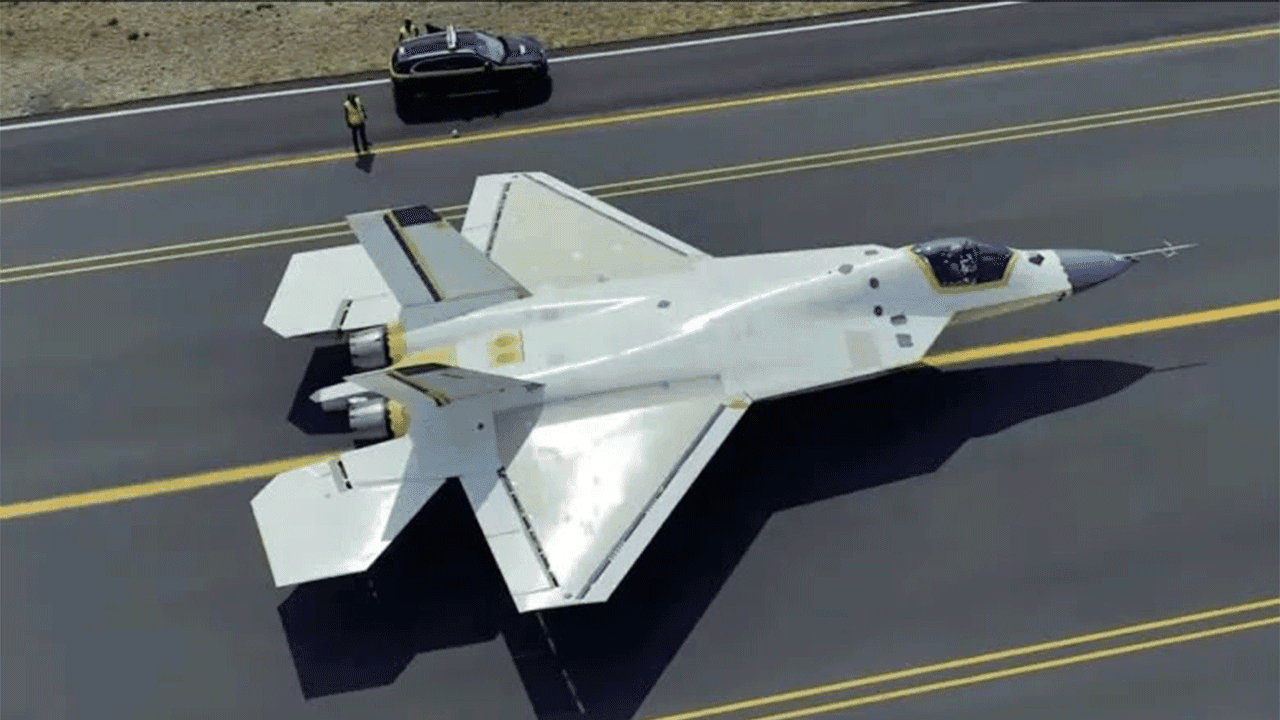
Turkish Aerospace Industries (TUSAŞ) has successfully completed the taxi test of the P1 prototype of the MMU KAAN fighter, marking a pivotal milestone in the indigenous combat aircraft program.
Strategic Context: The Imperative of Domestic Defense Production
Turkey's pursuit of defense autonomy has crystallized over the past decade through rapid development of homegrown platforms. KAAN stands as the flagship of this strategy, aiming to bolster airspace defense while curbing foreign dependency.
Technical Highlights of the P1 Taxi Test
The P1 features a concentric wing design and advanced fly‑by‑wire controls. The taxi trial verified 100% compliance of engine start‑up, ground control systems, and braking procedures; pilot feedback was uniformly positive.
Financial Dynamics: Project Budget and Economic Impact
Market and Investor Sentiment: Implications for TUSAŞ and Defense Stocks
Success in domestic defense projects reduces volatility for defense‑related equities within the BIST 30, positioning KAAN as an attractive asset for institutional portfolios seeking sector diversification.
Roadmap Ahead: MMU’s First Flight and Export Prospects
Following the P1 taxi validation, the P2 prototype is slated for its maiden flight in Q1 2025. A seamless integration could elevate Turkey to a regional exporter of combat aircraft, amplifying its strategic and commercial standing.
Hakan Çelik – Director of Fiscal Policy and Public Finance: "The KAAN program is more than a boost to defense capability; it serves as a catalyst for high‑tech export growth and job creation. The government's 70% grant rate lowers capital costs, encouraging private sector participation, which will positively affect the trade balance in the long run. However, transparent budget management and on‑time delivery remain essential to sustain investor confidence."
Related News & Analysis
View All →
Turkey's Second-Quarter Tax-Exempt Revenues Hit 24.2 Billion Lira, Signaling Fiscal Resilience

BCA Research Signals Critical Gold Investment Opportunity Ahead of 2025

BIST 100 Climbs to 13,458.10 with 1.24% Gain: What’s Driving the Surge?

Booking.com’s Return to Turkey: Digital Service Tax and Commission Cap Redefine the Market

Garanti BBVA's Title Deed Revolution: Digital Security and Escrow Era in Real Estate Trade
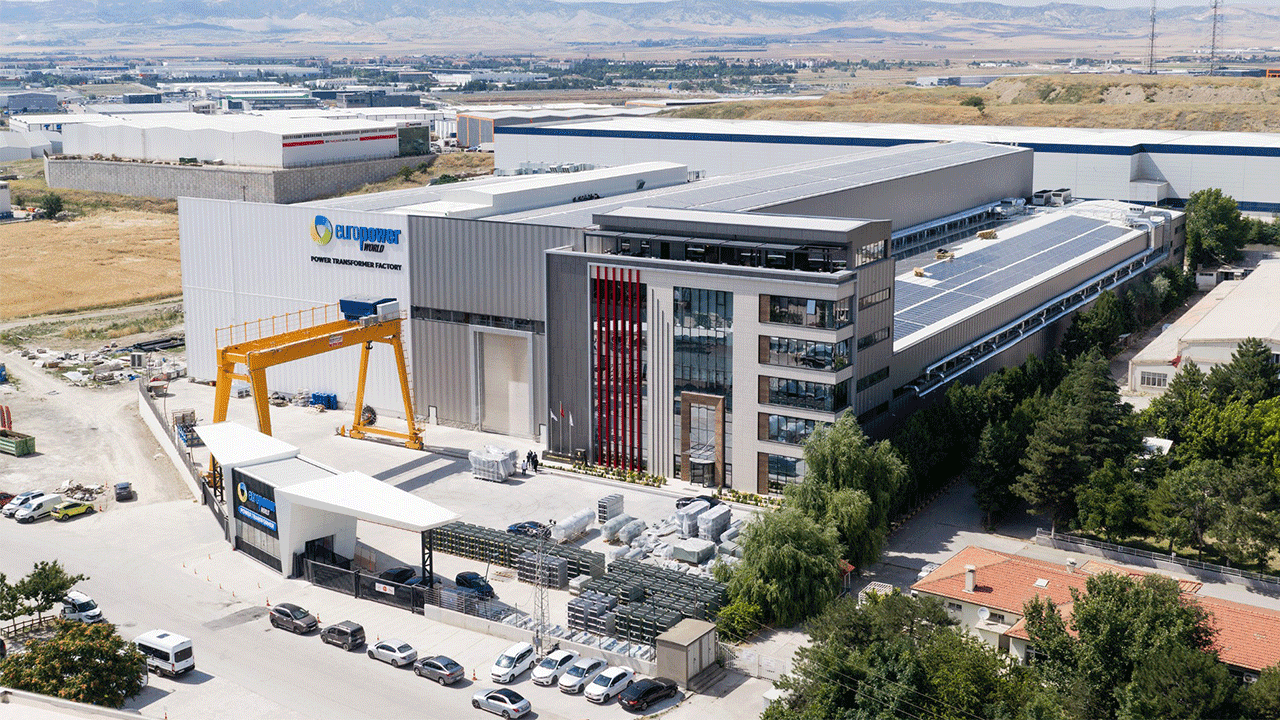
Pulse of the Energy Transition: Europower World Expands Capacity
Latest Market News
All News →![[PLTUR] PLATFORM TURİZM TAŞIMACILIK GIDA İNŞAAT TEMİZLİK HİZMETLERİ SANAYİ VE TİCARET A.Ş.
Bağımsız Denetim Kuruluşunun Belirlenmesi - Bağımsız Denetim Kuruluşu Tescili Hk.](/_next/image?url=%2Fuploads%2Fkap-default.png&w=3840&q=75)
[PLTUR] PLATFORM TURİZM TAŞIMACILIK GIDA İNŞAAT TEMİZLİK HİZMETLERİ SANAYİ VE TİCARET A.Ş. Bağımsız Denetim Kuruluşunun Belirlenmesi - Bağımsız Denetim Kuruluşu Tescili Hk.
[AKSGY] AKİŞ GAYRİMENKUL YATIRIM ORTAKLIĞI A.Ş. Payların Geri Alınmasına İlişkin Bildirim - Hisse geri alım programı hk.
[PLTUR] PLATFORM TURİZM TAŞIMACILIK GIDA İNŞAAT TEMİZLİK HİZMETLERİ SANAYİ VE TİCARET A.Ş. Genel Kurul İşlemlerine İlişkin Bildirim - 2025 Yılı Olağan Genel Kurul Kararlarının Tescil Edilmesi Hk.

Coldcard’s Dark Leak: The 600 BTC Theft That Shook Self‑Custody

NXP, Otonom Araç Görüntüleme Devrimi İçin 3,3 Milyar Dolarlık Alım Çabası