
EU Foreign Policy Chief Kallas: Hormuz Strait Must Remain Open Without Transit Fees Amid Iran Tensions
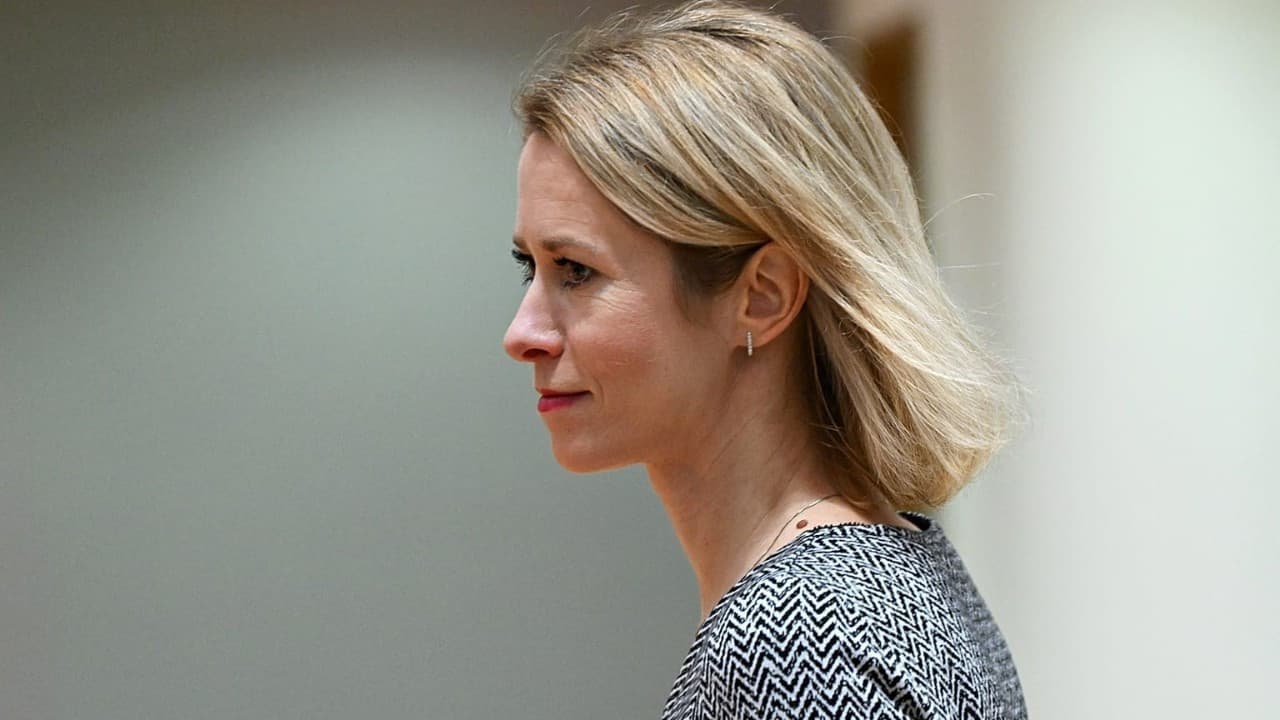
European Union (EU) High Representative for Foreign Affairs and Security Policy Kaja Kallas emphasized during her post-Foreign Ministers' Meeting statement that Iran's attacks on commercial vessels violate international law. Highlighting the critical importance of uninterrupted international maritime traffic through the Hormuz Strait, Kallas stressed that the waterway should remain fee-free for navigation both before and after conflicts. She noted the EU Foreign Ministers' unified stance on preventing any obstruction of sea transport and condemned Iran's unacceptable strikes against UAE, Qatar, United Arab Emirates, and Bahrain, warning of risks to regional peace processes.
Kallas announced the launch of negotiations for a new strategic partnership agreement between the EU and Bahrain alongside Gulf Cooperation Council (GCC) partners, aiming to strengthen regional stability. She reiterated ongoing support via the EU's ASPIDES Operation in the Red Sea to safeguard international shipping. Additionally, she outlined plans to establish a Black Sea Maritime Security Center under Romania and Bulgaria's leadership, contributing to situational awareness and critical infrastructure protection, while mentioning billion-euro connectivity projects in the region.
On Eastern Partnership matters, Kallas highlighted Armenia and Moldova's exposure to external pressures. She recalled last week's comprehensive economic support package for Armenia amid Russian pressure and confirmed approval of an additional €120 million assistance package for Moldova—the largest to date—focused on enhancing air defense capabilities. The EU mission's deployment in Armenia was also approved, with experts providing support in cybersecurity, countering disinformation, and combating illicit financial flows.
Markets are closely monitoring geopolitical tensions in the Hormuz Strait, as disruptions could impact energy prices and global supply chains. The EU's strategic initiatives and regional stability measures offer potential for mitigating Middle Eastern risks, though continued Iranian aggression poses challenges. Financial technology firms must develop systematic solutions to address these geopolitical uncertainties, ensuring capital flow resilience. Investors should remain vigilant regarding potential sanctions or trade restrictions affecting shipping and energy sectors.