
Turkey's Cigarette Ban: 5-Year Enforcement Results and Market Implications
Türkiye, 19 Temmuz 2009 tarihinden itibaren tüm kapalı alanlarda sigara içme yasağını uygulamaya başladı. Bu kapsamlı düzenlemeyle birlikte, ülke Düny
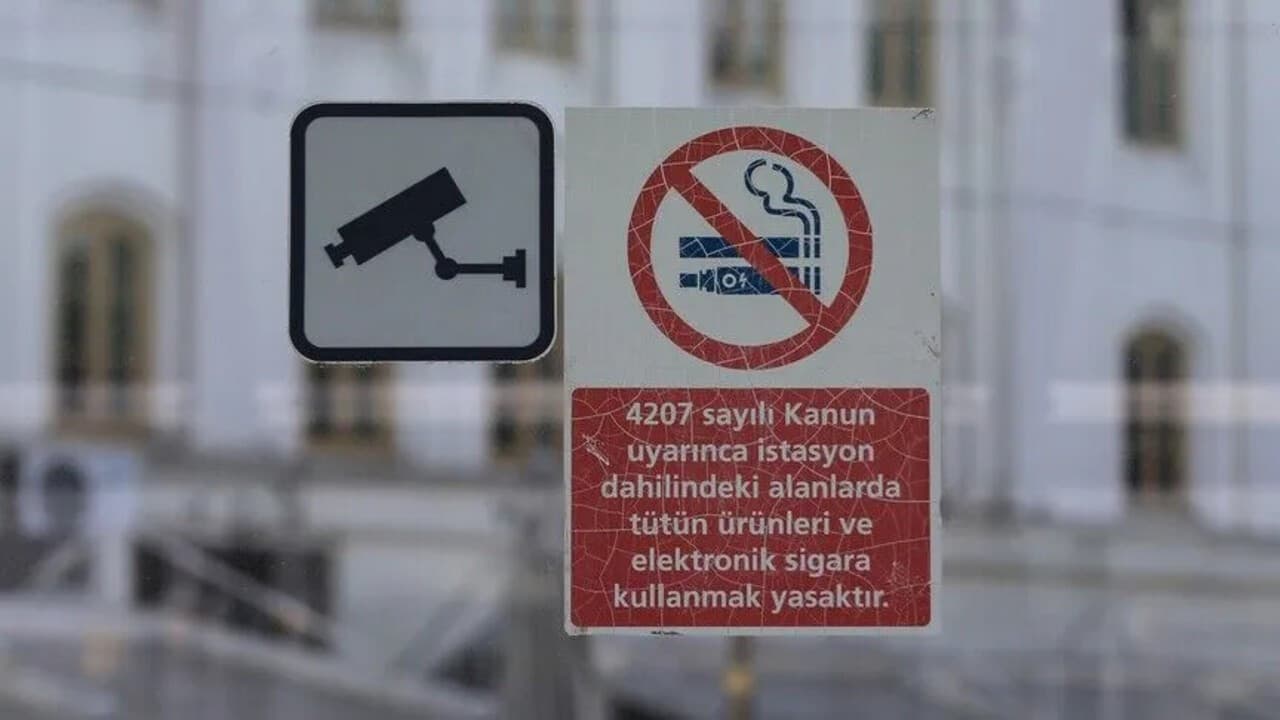
Turkey implemented a comprehensive cigarette ban in all enclosed spaces starting July 19, 2009. Under this regulation, the country has risen to the 6th globally and 3rd in Europe for having the most extensive tobacco control laws, surpassing Bermuda, New Zealand, Uruguay, England, and Ireland. Over five years, 1.349 million businesses were inspected, with 25,970 establishments found violating the ban, resulting in a total of 694.666 million 994 TL in fines. In the first six months of this year, 205.816 million 371 TL was imposed on non-compliant businesses. Additionally, 681 businesses were temporarily shut down for violations during the 2022-2026 period, while 1,958 individuals received administrative fines. Citizens can report violations to the Istanbul Health Directorate or call the Health Ministry's SABİM hotline at 184, with 36,509 reports filed in the same period. Prof. Dr. Hasan Volkan Kara, member of the Yeşilay Scientific Board, emphasized that smoke-free zones are a pioneering initiative in Turkey. 'If we account for tobacco-related deaths, 8 million people lose their lives annually worldwide. This figure is staggering, especially considering 7 million lives lost during the 3.5-year pandemic.' Kara highlighted that 1.2 million of these deaths are attributed to passive smoking, where non-smokers are exposed to secondhand smoke. 'The primary purpose of smoke-free zones is to protect non-smokers from harmful secondhand smoke exposure,' he explained. 'However, the broader impact is significant. By eliminating visible smoking, we prevent children and youth from normalizing tobacco use, which has severe long-term consequences. Harmful substances, particles, and gases linger in the air for 3 to 6 months, posing risks to those entering affected spaces. This underscores the critical need for smoke-free environments.' Kara noted that Turkey's education initiatives, including free nicotine-replacement therapy programs at Yeşilay and Health Ministry clinics, aim to reduce smoking prevalence. 'The best treatment for addiction is prevention. We must act on the knowledge that smoking is harmful and encourage others to quit,' he stressed. 'Clean air is a fundamental right. We must report violations, support individuals in quitting, and prevent children from starting smoking. Every effort counts.' The far-reaching implications of this policy will shape both public health outcomes and market dynamics, a question that time alone will answer.
Related News & Analysis
View All →
Wall Street's Geopolitical Stagnation: Indexes in Cautious Wait
U.S. Manufacturing New Orders Beat Expectations in July
U.S. Diesel Prices Near 2022 Record, Fuel Price Surge Stirs Market Concerns

Eos Energy’s Copper‑Based Storage and Solar Venture Sparks Record Gains on the Stock Market
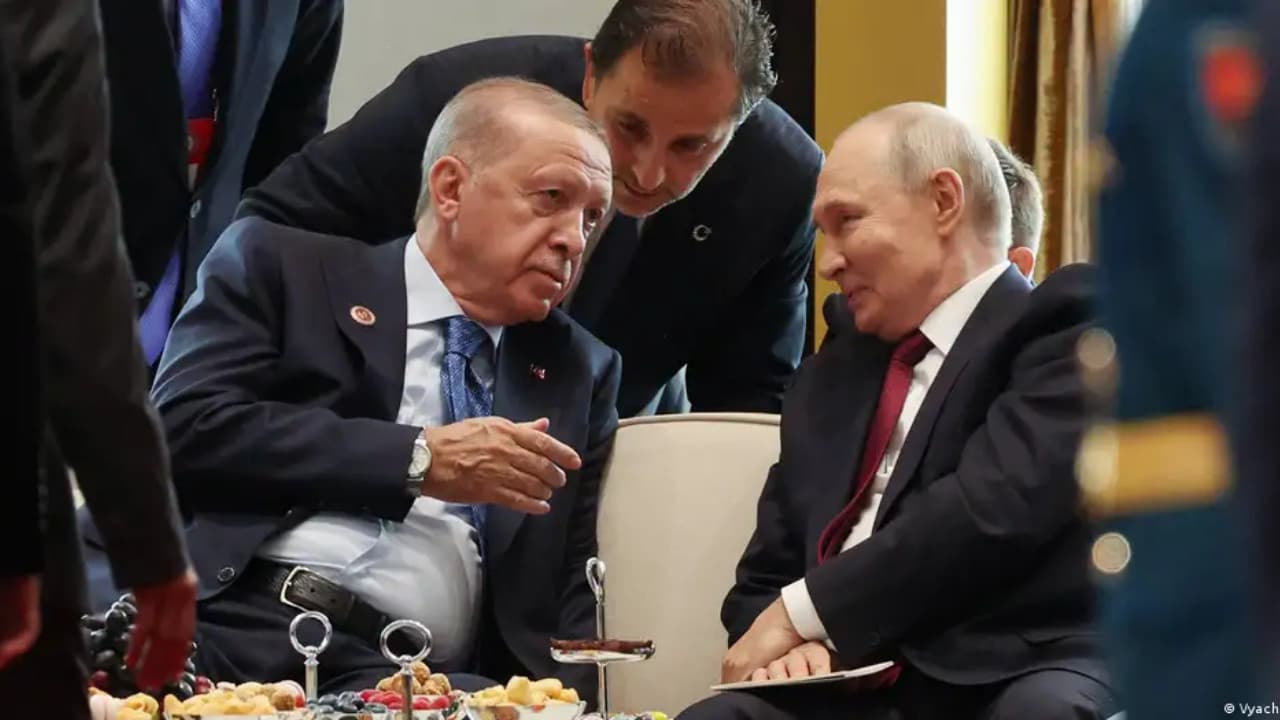
Akkuyu Nuclear Plant Nears Commissioning: Erdoğan‑Putin Meeting Shapes Energy and Financial Markets
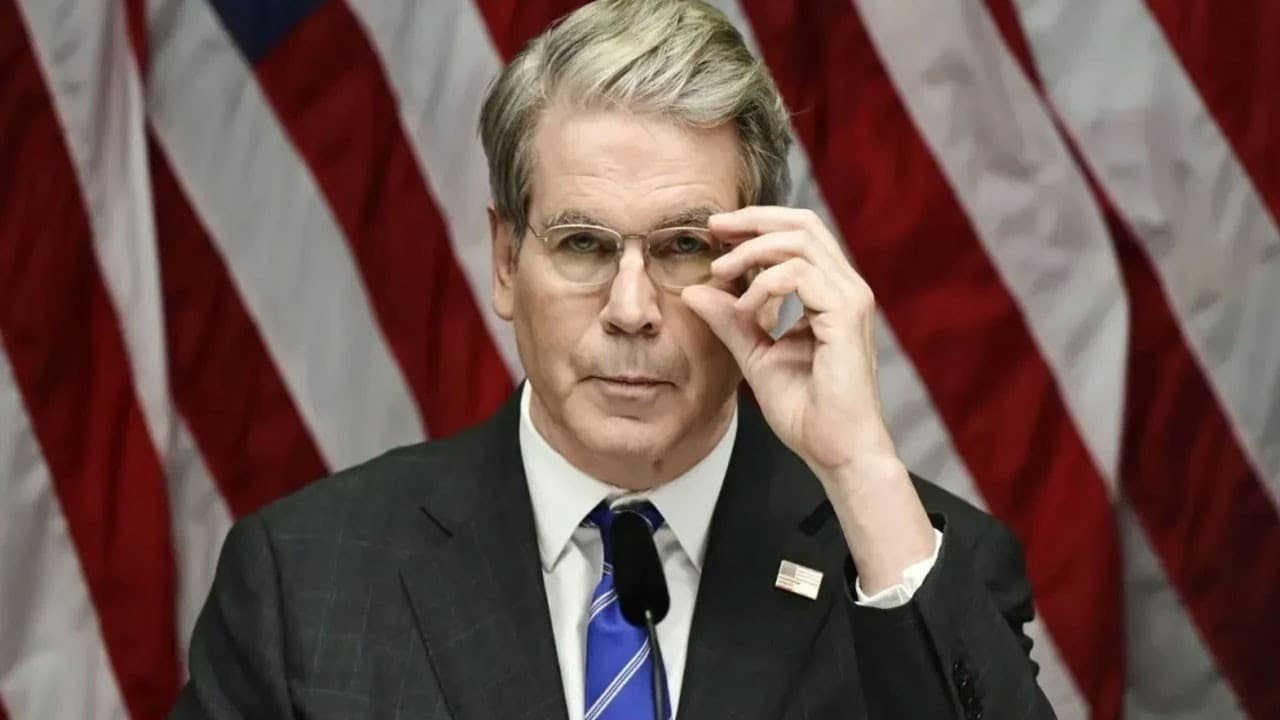
US Treasury Secretary: Global Growth Hindered by Persistent Imbalances
Latest Market News
All News →
September: Bitcoin and Crypto Markets Ride a New Wave
Crypto Leaders Push SEC for Tailored ETF Rules: A New Market Tactic
![[GSRAY] GALATASARAY SPORTİF SINAİ VE TİCARİ YATIRIMLAR A.Ş.
Sözleşme Feshi - Profesyonel Futbolcumuz Victor Enok Nelsson'un Sözleşme Feshi Hakkında](/_next/image?url=%2Fuploads%2Fkap-default.png&w=3840&q=75)
[GSRAY] GALATASARAY SPORTİF SINAİ VE TİCARİ YATIRIMLAR A.Ş. Sözleşme Feshi - Profesyonel Futbolcumuz Victor Enok Nelsson'un Sözleşme Feshi Hakkında

Wyoming Uses Chainlink to Elevate Stablecoin Transparency
