
Economy
New Era in Corporate Climate Reporting: KGK Overhauls Emission Criteria
724FinanceHakan Çelik
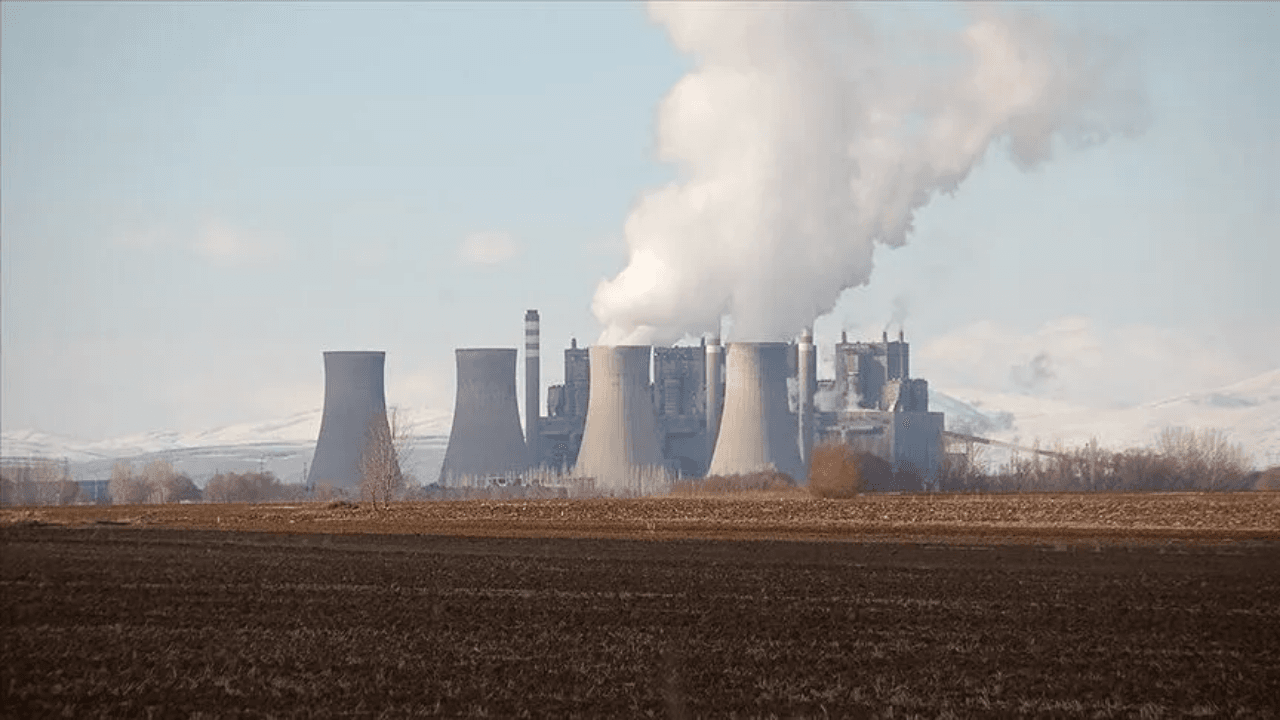
As Turkey undergoes a critical transformation in its accounting and auditing infrastructure, the Public Oversight, Accounting and Auditing Standards Authority (KGK) published a regulation in the Official Gazette that radically changes how businesses track their carbon footprints. This move is valued not merely as a technical revision, but as the most concrete step in integrating the Turkish business world into global sustainability networks.
The New Framework in the Official Gazette
With the published decree, transparency standards regarding businesses' environmental impacts are being elevated. The regulation envisions the incorporation of norms set by the International Sustainability Standards Board into local legislation. This step stands out as a strategic necessity to ensure the ESG (Environmental, Social, and Governance) compliance demanded by foreign investors.Clarification in Measurement Methodology
The most significant innovation introduced within the scope of the decree is the uniform methodology to be applied in emission measurements. Accordingly;As Hakan Çelik, Director of Fiscal Policies and Public Financing, my assessment is as follows: This regulation is a milestone that clarifies the costs and transparency of Turkey's journey towards green deal targets. While the administrative burden on businesses may increase, this situation will create a positive reflection for macro-economic stability in the long run by facilitating capital access and increasing corporate preparedness against "carbon tax" risks. Transparent data strengthens market discipline.