
Congo's Manono Lithium Project: A Fresh Supply Line for Global Battery Chains
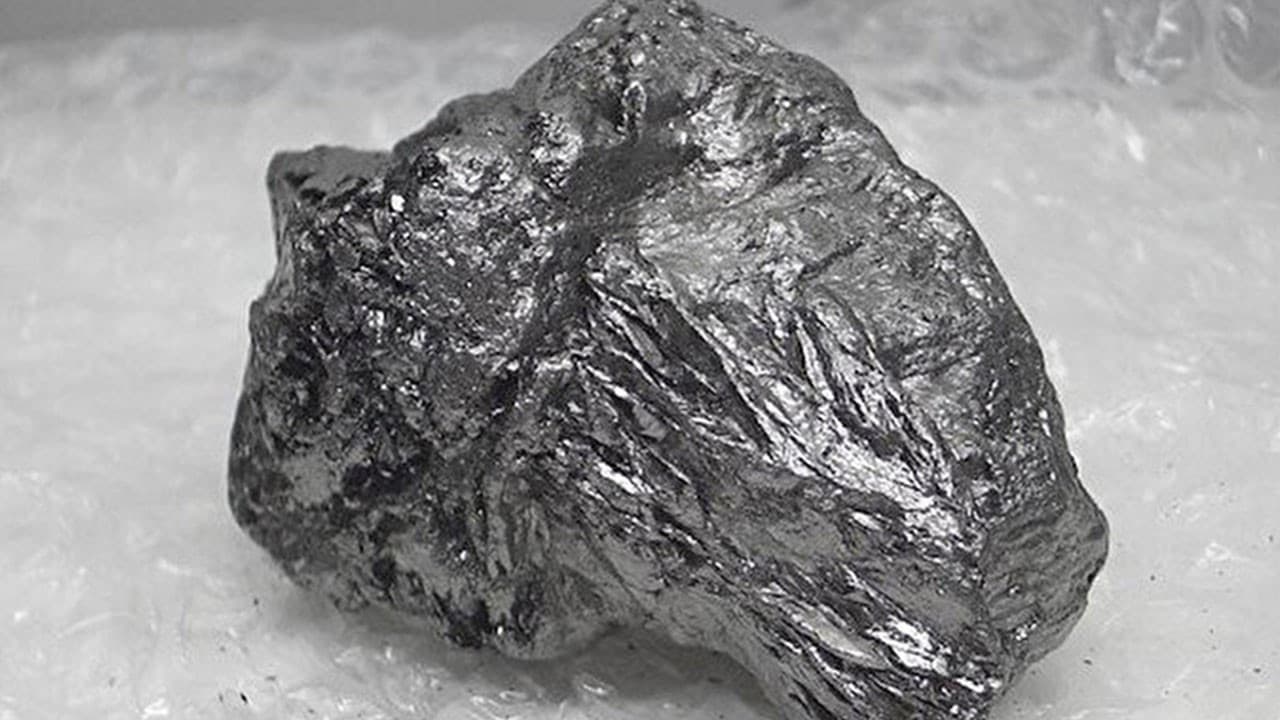
Congo has shipped its first lithium from the Manono site – one of the world’s largest hard‑rock lithium deposits – signaling a strategic boost to the country’s role in the energy transition.
The Strategic Roots of the Manono Project
According to Tanganika Governor Christian Kitungwa, KDC (Democratic Republic of Congo) aims to complement its dominance in cobalt and copper with lithium, positioning the mineral as part of its "strategic minerals" portfolio. The Manono field is touted as "one of the world’s largest hard‑rock lithium deposits" and is pivotal for regional energy security.
Partnership Dynamics and Production Capacity
The shipment was produced by Manono Lithium SAS, a joint venture between Zijin Mining (China) and Cominiere (KDC’s state‑owned mining arm). With the June 2026 commissioning of the Manono plant, annual output is projected at 30,000 tonnes, a figure that could reshape the regional supply‑demand balance.
Market and Pricing Implications
Geopolitical and Legal Context
The project previously faced a legal tussle with AVZ Minerals (Australia) over mining licences, leading to an international arbitration. Ultimately, the operating licence was awarded to Manono Lithium SAS, indicating a maturing investment climate in the region.
Sustainability and Environmental Outlook
KDC has introduced a new environmental management plan for lithium extraction, pledging a 15% reduction in water usage and the launch of community‑driven development programs.
Expert Note (Zeynep Kaya): Congo’s inaugural lithium export is more than a commodity flow; it marks Africa’s ascent up the value chain. Investors should monitor the strategic synergy of Zijin Mining and Cominiere, alongside regional geopolitical risks. While short‑term price volatility is possible, the long‑term demand trajectory and sustainability commitments position this asset as a “must‑watch” in the evolving energy‑materials landscape.