Credit Markets Rally: Default Rate Slides Below 1% as Distress Lingers
724FinanceGökberk Uçar
Key Highlights
Haziran ayında ABD'deki kaldıraçlı kredi (leveraged loan) piyasasında temerrüt oranları, teknik faktörlerin etkisiyle beklenmedik bir şekilde **%0.97*
In a surprising turn of events for the U.S. leveraged loan market, the default rate dropped sharply to 0.97% in June, slipping below the critical psychological 1% threshold. This decline was largely technical, driven by the rolling expiration of a major legacy default, yet underlying stress signals in the market suggest caution is still warranted.
Technical Rebound Drives Defaults Below 1%
According to the Morningstar LSTA US Leveraged Loan Index, the absence of new defaults in June provided relief to the rolling 12-month calculation. The primary catalyst for this improvement was the removal of telecom giant SFR from the legacy default list, which had previously accounted for roughly $5.65 billion in term debt.Underlying Tension: Distress Ratio Defies the Trend
Bucking the trend of improving default rates, the distress ratio for loans rose by 34 basis points to 6.87% in June. This metric, which tracks loans trading at less than 80 cents on the dollar, reversed May's decline and returned to levels seen in April, remaining just below the year-to-date peak of 7.23% recorded in March.Forward-Looking Indicators and Market Stability
Based on the PitchBook LCD Default Predictor, the estimated six-month forward default rate stands at 1.69% by issuer count. Despite the high-interest rate environment, legacy payment defaults have remained relatively contained, ranging between 13-17 per month over the past year.From an aviation logistics perspective, a low default environment suggests stable corporate balance sheets, potentially supporting continued investment in air freight capacity and fleet modernization. However, the creeping distress ratio serves as a prudent reminder that liquidity challenges persist for highly leveraged borrowers, which could impact future capital expenditure in the logistics sector.
Related News & Analysis
View All →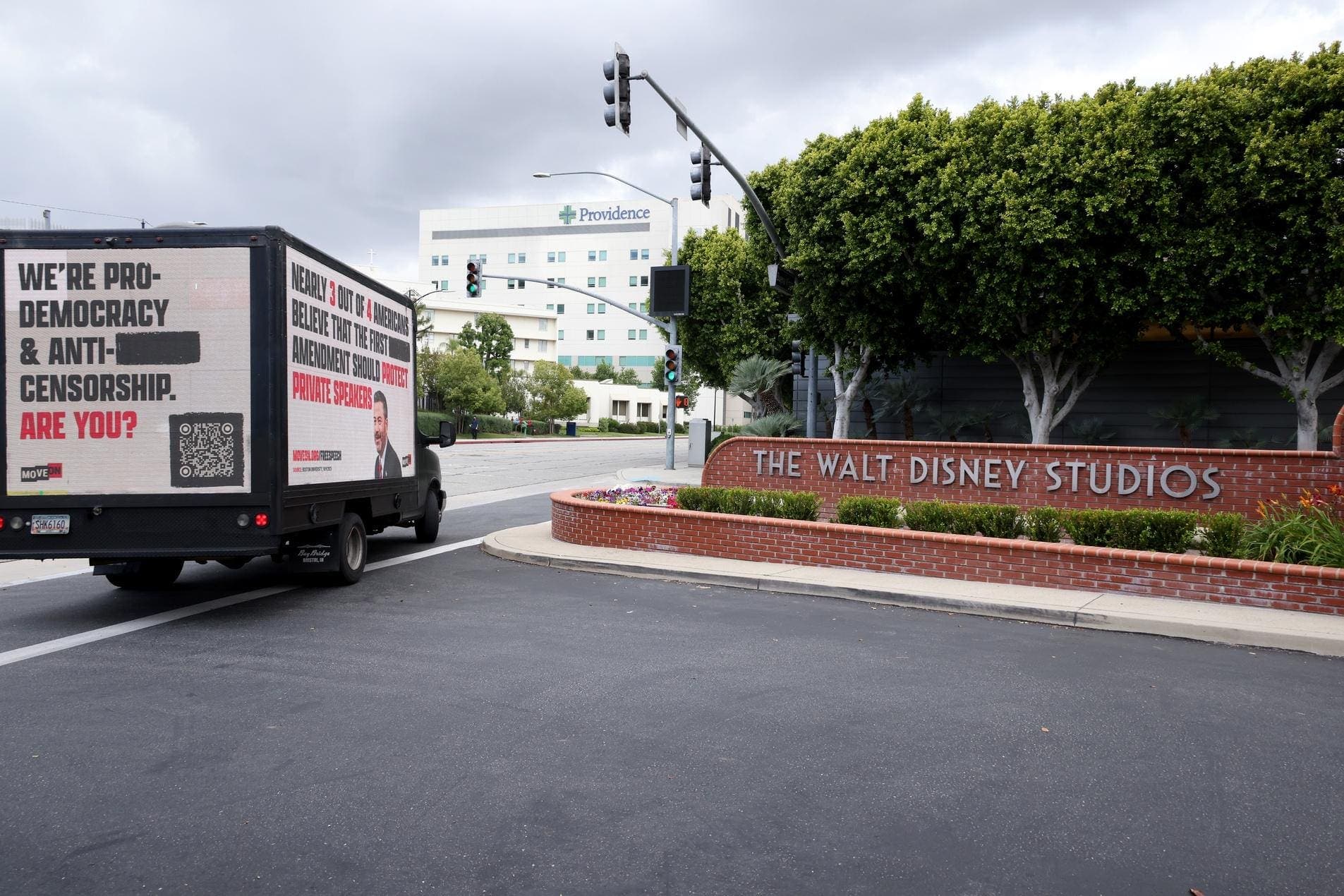
ABC vs FCC: The Final Showdown Over Deregulation and the Future of Media Giants

Zillow and Redfin Reach FTC Settlement: A New Regulatory Chapter for PropTech

SEC’s Probe into AI Hedge Fund Near-Implosion: What It Means for Markets

U.S. Threatens Harsh Sanctions on Nations Tied to Iran

Zcash Hits Eight-Year High on Crypto Rally, ETF Prospects Ignite Market

Falling Crop Prices Squeeze Farmers: Land Investment Strategies Reshape the Sector
Latest Market News
All News →
MicroStrategy’s $2 Billion Capital Move: USD Cash Pot and Bitcoin Treasury
ABC vs FCC: The Final Showdown Over Deregulation and the Future of Media Giants
Zillow and Redfin Reach FTC Settlement: A New Regulatory Chapter for PropTech

Pakistan Forces Crypto Firms into September 5th Licensing Deadline: Unpacking the New Regime
SEC’s Probe into AI Hedge Fund Near-Implosion: What It Means for Markets