Geopolitical Rupture: Erosion of Confidence in Markets Post-NATO
NATO zirvesinin ardından yükselen jeopolitik tansiyon, yatırımcı iştahını hızla törpüleyerek finansal piyasalarda riskten kaçış modunu tetikledi. Küre

The surge in geopolitical tensions following the NATO summit has rapidly dampened investor appetite, triggering a 'risk-off' mode across financial markets. As global political uncertainties take center stage, the shift in sentiment toward emerging markets has exerted significant selling pressure on the Borsa Istanbul.
The Pressure of Diplomatic Friction on Indices
Hardening stances in the political arena have reintroduced "uncertainty," the most disliked element by market participants. With the rise in geopolitical risk premiums, both domestic and foreign investors have begun shifting their portfolios toward safe-haven assets. This trend has increased volatility in equity markets, forcing the index to test critical support levels.
Risk-Off Dynamics in Capital Flows
The impact of this process on market mechanisms is concentrated around these primary axes:
Macroeconomic Fragility and Market Response
As analyzed by Berfin Çipa, Hakan Güldağ, and Barış Esen on the Economy Desk, the current picture indicates that markets are reacting not only to the news flow but also to Turkey's structural economic vulnerabilities. Markets with high sensitivity to external shocks are using political tensions as a catalyst to deepen existing economic pressures.
The extreme fragility of the markets cannot be explained by geopolitical tension alone. The fundamental issue is the vacuum of confidence created by indiscipline in public finance and a lack of structural reforms. Geopolitical risks merely expose this existing weakness. For sustainable market stability, there is an urgent need for rational fiscal policies and a predictable legal framework rather than political rhetoric. Otherwise, every diplomatic tremor will continue to leave deep scars on the stock market.
Related News & Analysis
View All →
Toyota Eyes 2028 Autonomous Drive: A New Era for Investors

Intetra Technology's 2.14 Billion TL IPO: Investors Surge into the Tech Frontier

Cimin Grape Harvest Kicks Off: GI-Labeled Fruit Opens Doors to Global Markets
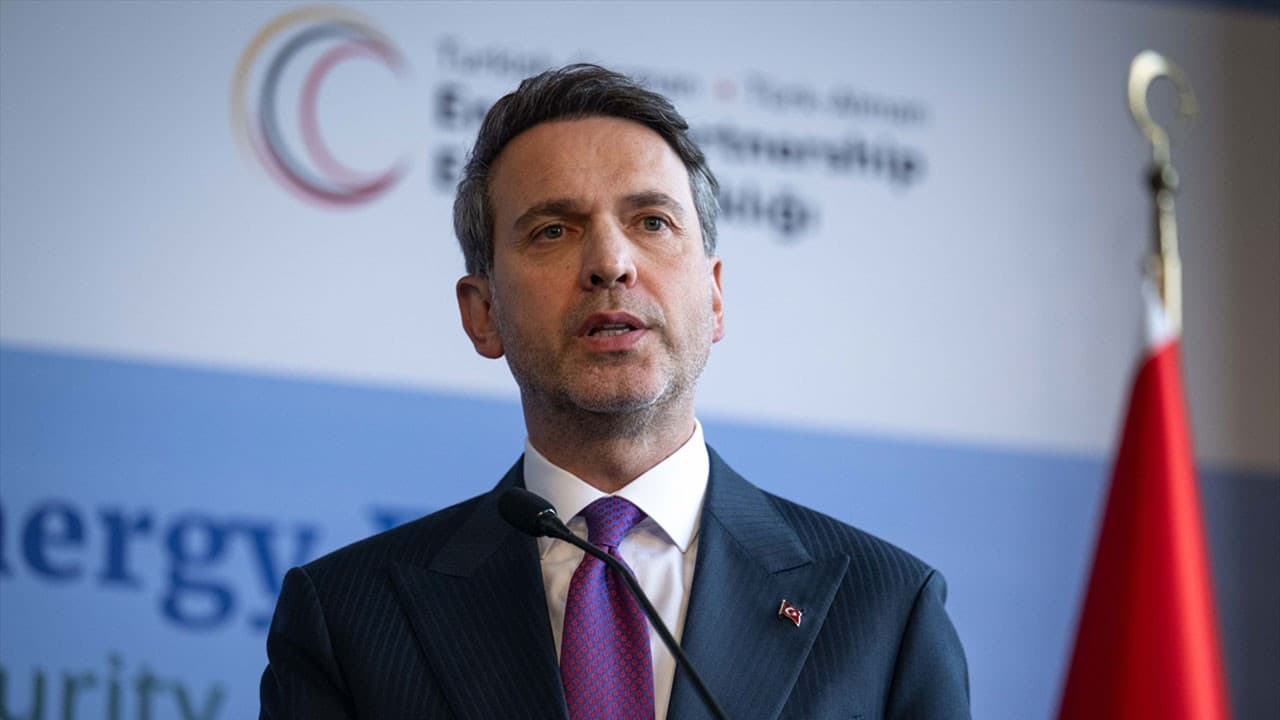
Turkey's Gold Strategy: Seizing the 10,000‑Ton Opportunity

Turkey‑Saudi Arabia Seal 5 GW Renewable Power Deal: A New Dynamic in Regional Energy Balance
Halkbank’s SPK Filing Ignites Turkey’s Next Capital Wave
Latest Market News
All News →
Turkey Sets Dual Solar Production Record: 5.37 Billion kWh

U.S. Negotiates Ownership Stakes in Venezuela's Oil Fields

Zinc Climbs to $4,000: Stock Sell‑Off Fuels Price Support

Meta’s $18 Billion Settlement: Child Safety and the Surprising Stock Surge

AI and Investors Converge: StrictlyVC’s New York Summit Signals a Shift in Venture Capital