
New Zealand's Strategic LNG Pivot: Securing Energy Supplies Before the Vote
724FinanceDr. Yaman Ege
Key Highlights
Yeni Zelanda hükümeti, kasım ayında yapılacak genel seçimlerden önce ülkenin ilk sıvılaştırılmış doğal gaz (LNG) ithalatı tesisine dair kritik bir söz
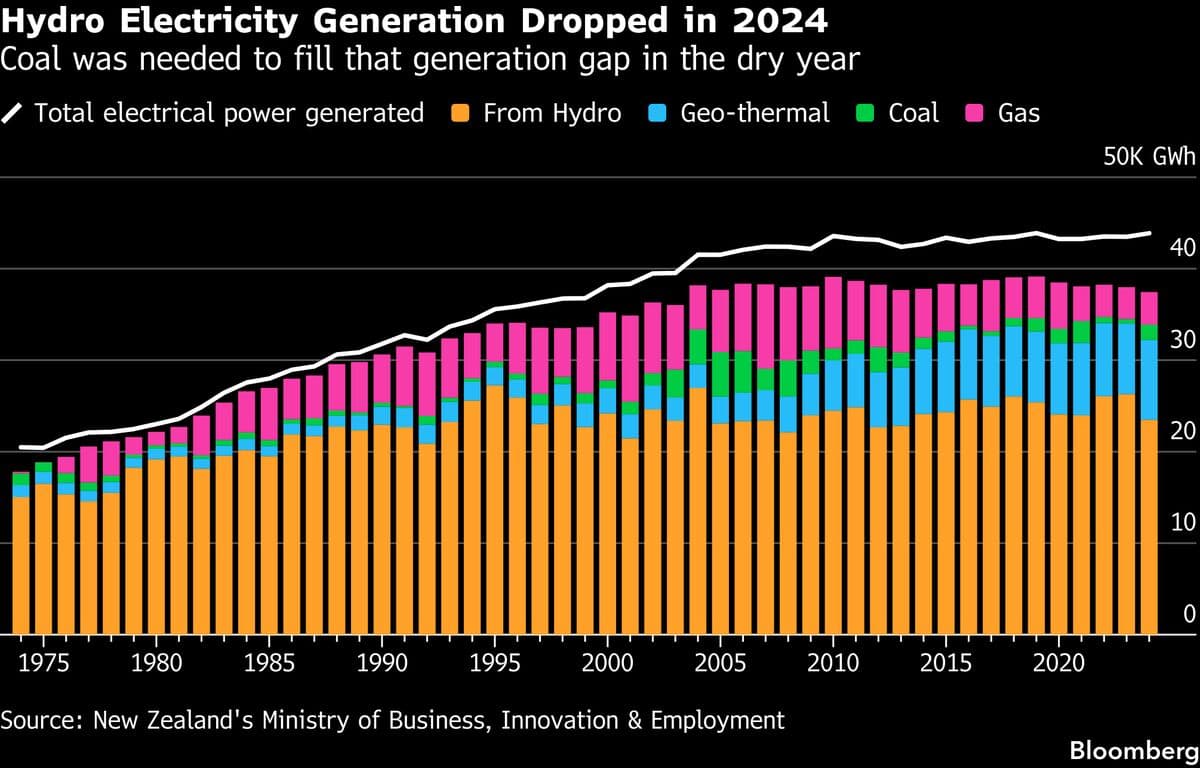
The New Zealand government is strategically positioning itself to sign a contract for the nation's first liquefied natural gas (LNG) import facility ahead of the November election. This move underscores a significant policy pivot, where the administration is wagering that a projected slump in global LNG prices will render the fuel a cost-effective and reliable backstop for renewable electricity generation.
Election-Cycle Infrastructure Prioritization
In a landscape where energy security is becoming paramount, the timing of this agreement serves as a dual-purpose instrument: ensuring grid stability and delivering a political victory before voters head to the polls.Leveraging Global Price Arbitrage
The surplus in global energy markets and subsequent price corrections are transforming this infrastructure project into a financially viable asset rather than a mere fiscal burden.From a capital flows standpoint, New Zealand's pivot creates an interesting dynamic regarding the "energy security premium." Typically, the transition pains associated with shifting to renewables introduce volatility risk; however, by locking in LNG infrastructure, the country is effectively hedging against supply shocks. While risk-on environments typically boost commodity prices, the structured nature of this import deal suggests a calculated move to stabilize the cost of capital. We might see hedge funds re-evaluating NZD exposure, factoring in a reduced risk of energy-driven inflation compared to peers with less secure transition plans.
Related News & Analysis
View All →
Jacobs Solutions Stock Analysis: AI‑Driven Growth and Wall Street Outlook

Dolly Parton's 78-Year-Old Business Empire: Wisdom, Talent and Diversification

Anthropic and Nscale’s $45 Billion AI Data‑Center Deal: A Game‑Changer for Global Capital Flows

Meta’s $18 Billion Child‑Safety Deal: Economic and Regulatory Fallout of Age‑Verification Tech

Meta's Conditional Accord: A $17 Billion Strategy to Shape Competition

UK Retailers Spark Balcony Solar Revolution: A New Front in Household Energy Markets
Latest Market News
All News →
Ethereum Moves to Shield ETH Staking from Quantum Attacks

US Beef Import Quota Expansion Aims to Ease Price Pressure
Jacobs Solutions Stock Analysis: AI‑Driven Growth and Wall Street Outlook

MSCI's Unexpected Turkish Index Revision: Three Out, Three In
![[HKTM] HİDROPAR HAREKET KONTROL TEKNOLOJİLERİ MERKEZİ SANAYİ VE TİCARET A.Ş.
Özel Durum Açıklaması (Genel) - Şirket Çoğunluk Paylarının Satışının Tamamlanması](/_next/image?url=%2Fuploads%2Fkap-default.png&w=3840&q=75)
[HKTM] HİDROPAR HAREKET KONTROL TEKNOLOJİLERİ MERKEZİ SANAYİ VE TİCARET A.Ş. Özel Durum Açıklaması (Genel) - Şirket Çoğunluk Paylarının Satışının Tamamlanması