
EU Nations Form Anti-Ballistic Missile Coalition: How Markets and Policies Will Be Affected?
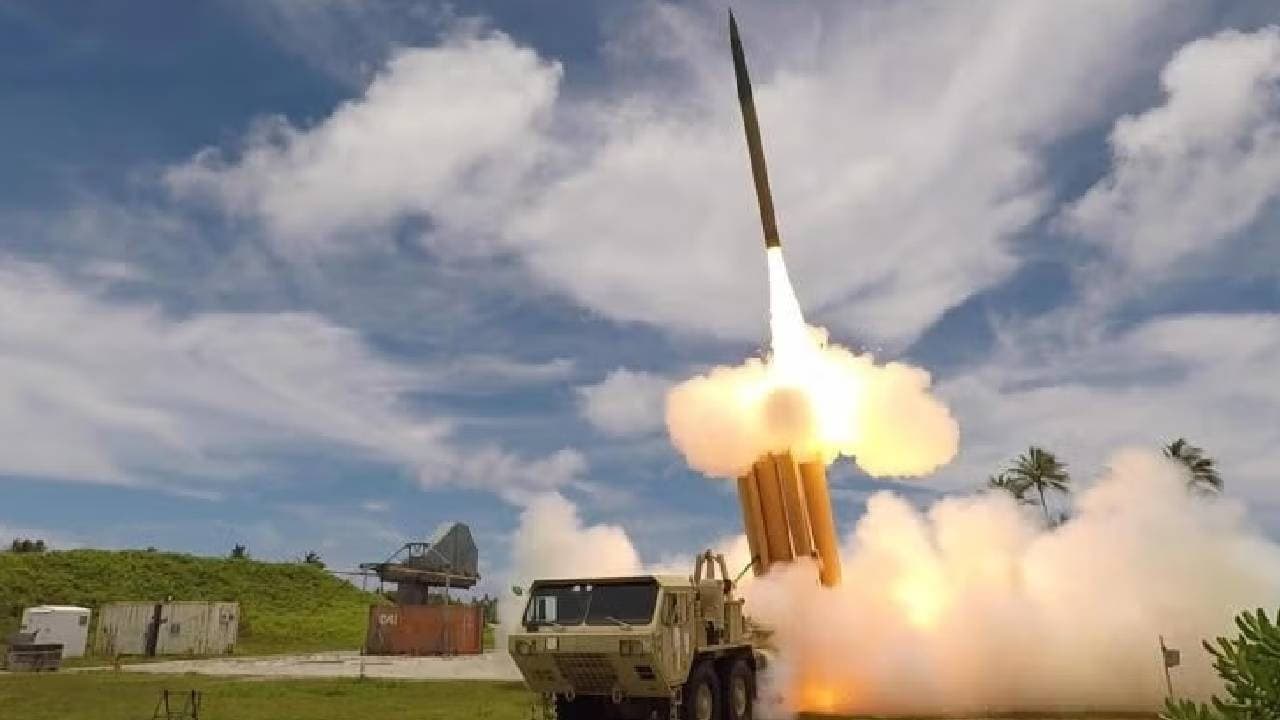
Ten European nations, including France and Ukraine, have announced the formation of an Anti-Ballistic Missile Coalition in response to the rising threat of ballistic missiles. This development is seen as a significant step in defense and strategic security. The coalition aims to provide a more effective defense mechanism against the growing Russian threats, building on NATO's expansion. The European Union's move includes the participation of the U.S. in the U.S.-Europe Anti-Ballistic Missile Force (ABM) program. This initiative is expected to bring new opportunities in the defense industry and potentially reshape market competition. Additionally, the coalition's focus on financing and technology transfer is likely to deepen international cooperation. Strategic analysts predict that this development will strengthen long-term U.S.-Europe relations. Markets will closely monitor expectations in the defense sector, recognizing that this coalition marks a new era in international security architecture.
The most significant impact of this coalition will be the creation of new collaboration opportunities in the defense industry. Europe's growing independence in this area will enhance strategic autonomy in the long run. Furthermore, the deepening of defense cooperation between the U.S. and Europe is expected to influence market competition as well.