
Wall Street's New Distraction: Are Perpetual Futures Truly Disrupting the Financial Order?
Kripto varlık ekosisteminin kalbinde yer alan ve geleneksel finansın vadesiz yapısıyla meydan okuyan 'Perpetual Futures' (Sürekli Vadeli İşlemler), Ne

Perpetual Futures, the heartbeat of the crypto ecosystem that challenges the fixed-term nature of traditional finance, are generating significant noise in New York's financial hubs, yet they remain far from dismantling the fundamental pillars of the institutional structure.
Innovation or Mere Noise?
Unlike standard derivative instruments, perpetuals stand out by lacking an expiry date and utilizing a 'funding rate' mechanism to keep prices anchored to the spot market. However, for Wall Street, this represents an expansion of speculative toolsets rather than a structural revolution.
The Conservative Fortress of Institutional Capital
Risk management protocols at titans like Goldman Sachs or JP Morgan are engineered to minimize uncertainty. The flexibility offered by the perps market remains ineffective against the rigid SEC and CFTC regulatory frameworks. For financial giants, these tools are not 'disruptive technologies' altering core strategies, but rather peripheral products used for portfolio diversification.
What we are witnessing with the 'perp' craze is essentially a psychological cycle similar to the Gamma Squeeze mechanisms seen in S&P 500 option markets. However, the critical difference is this: while volatility is a risk management tool in traditional markets, in the world of perps, volatility has become the product itself. While institutional capital may seem intrigued by the noise, real liquidity continues to circulate within traditional futures contracts and high-volume option chains. This is not a financial revolution; it is a digital evolution of speculation.
Related News & Analysis
View All →
UK Devolution: Cities Surge While Rural Areas Lag

Half a Year into the Iran War, Global Economy Pulls Off a 'Mission Impossible' Act, Trump Family Among the Winners

Official Unemployment Rate Falls While Functional Joblessness Hits New High
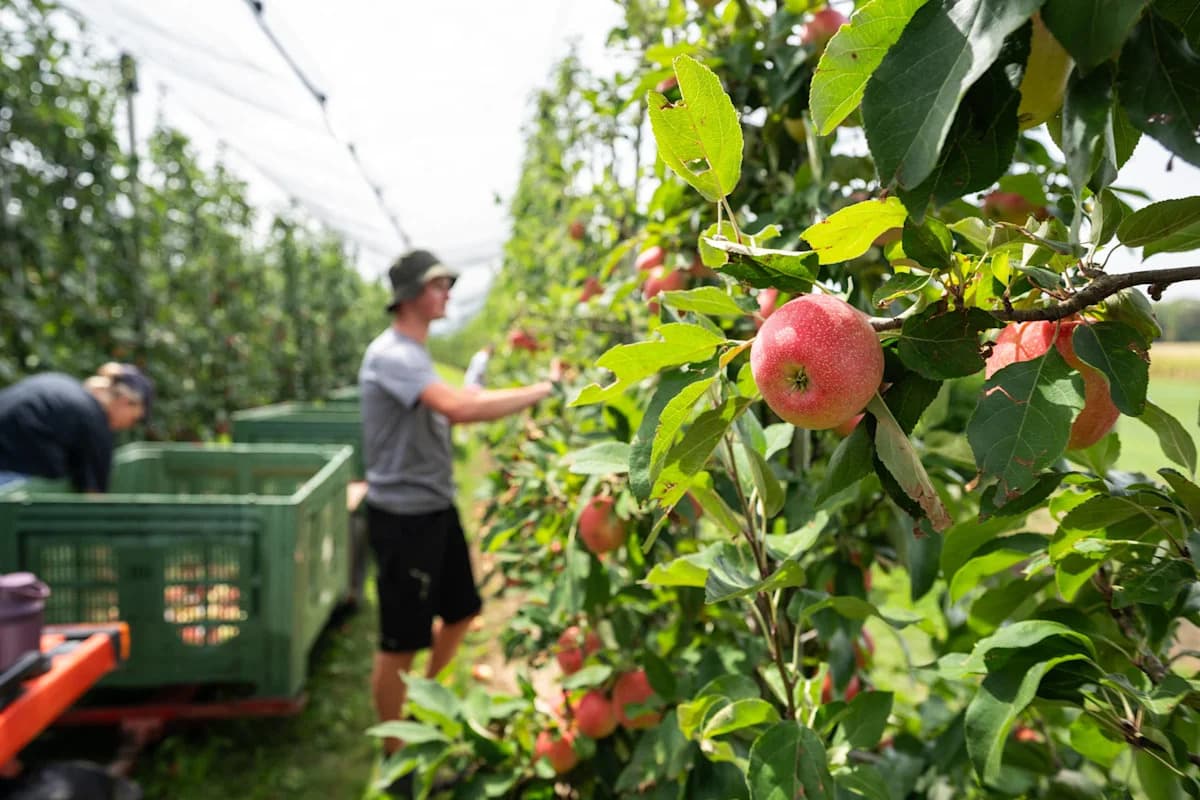
Washington Fruit Growers Trim Workforce: 928 H‑2A Workers Laid Off

Inflation’s New Face: The Warsh‑Bessent PhD Conundrum

Trump vs. Venezuela: A $65 Billion Oil Storm
Latest Market News
All News →
AKIS Real Estate Investment Co. Ltd.: The New Face of Urban Investment in Turkey

KaradenizBIRLIK Launches Sunflower Procurement Drive: 35k Tons Target and TL122M Support

Sony and Warner File Massive Copyright Lawsuit Against Anthropic: A New Frontier for the Industry
UK Devolution: Cities Surge While Rural Areas Lag
The Leverage Spiral: How Retail Traders and Quant Funds are Rewiring the Market
