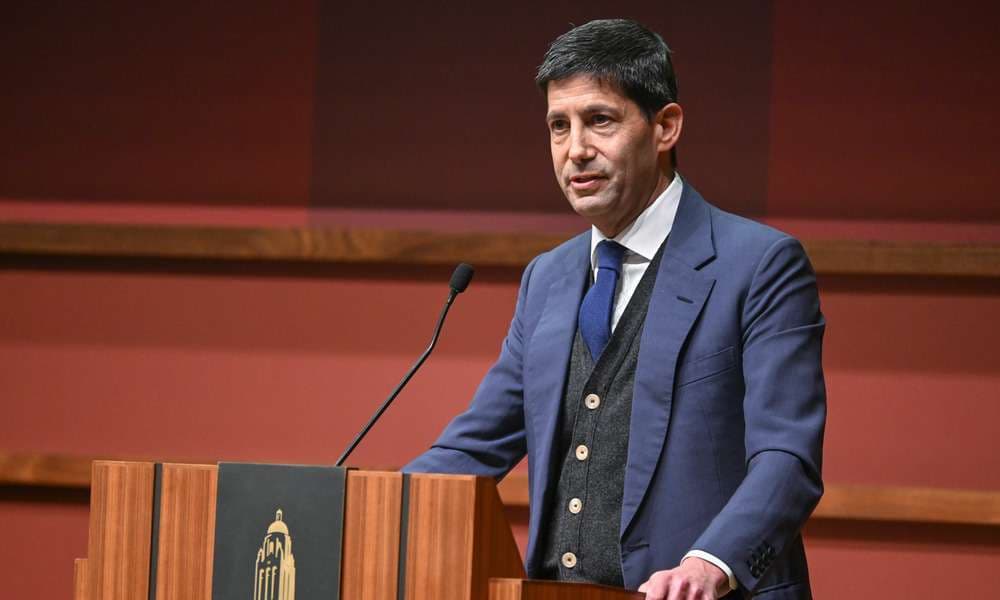
Strait of Hormuz Tensions Boost Oil Prices by 5%
724FinanceZeynep Kaya
Key Highlights
ABD'nin İran'a düzenlediği hava saldırıları ve İran'ın Körfez ülkelerine yönelik misillemeleri, küresel enerji piyasalarını istikrarsız bırakarak Bren

U.S. airstrikes on Iran and Iran's retaliatory attacks on Gulf states have destabilized global energy markets, driving Brent crude prices up by approximately 5% to $79.48. Meanwhile, WTI crude settled at $74.78 by the end of the day.
Energy Markets on Edge Amid Strait of Hormuz Standoff
Risk Premiums Surge as Energy Security Concerns Mount
Geopolitical tensions in the energy sector underscore the fragility of global supply chains. Sustained military escalation in the Gulf could trigger prolonged volatility in commodity markets, complicating central banks' efforts to anchor inflation expectations. Investors should monitor currency movements and energy inventory levels closely amid this heightened risk environment.
Related News & Analysis
View All →
August 27, 2026 FX Rates: Dollar and Euro's Latest Levels Against the Turkish Lira
US Beef Import Quota Expansion Aims to Ease Price Pressure
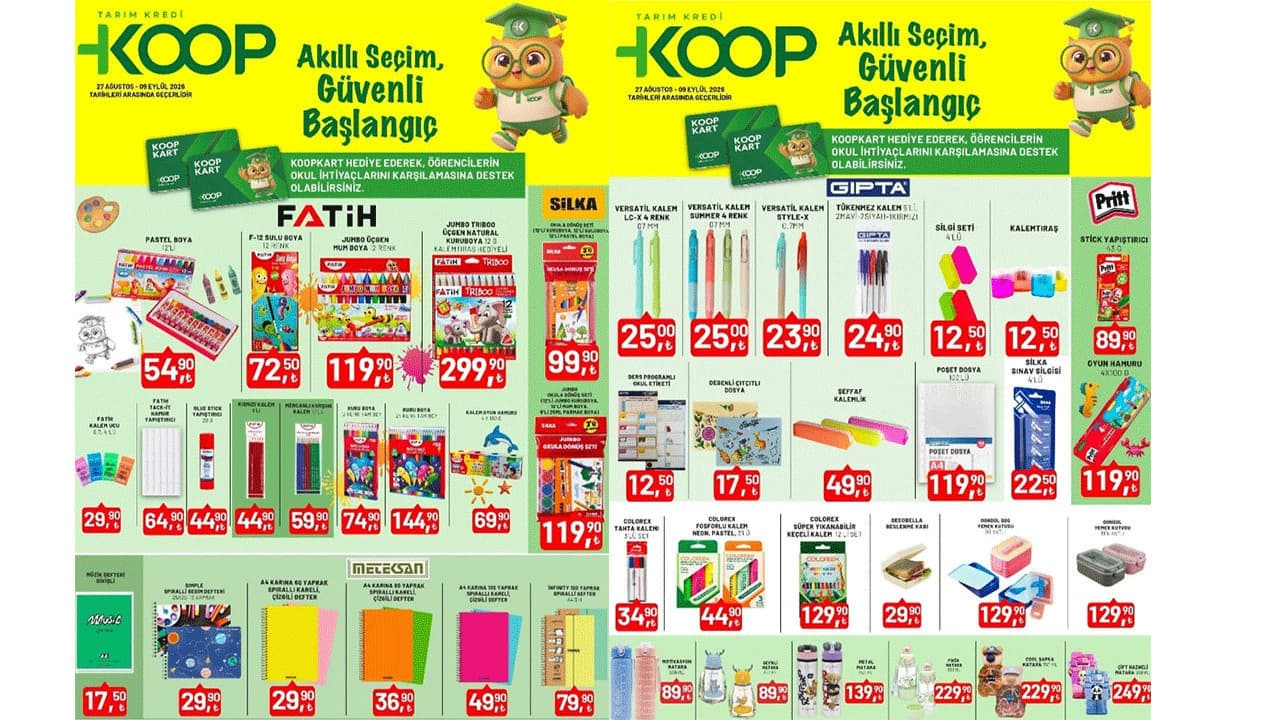
Tarım Kredi Market Launches Major Back‑to‑School Discount Campaign
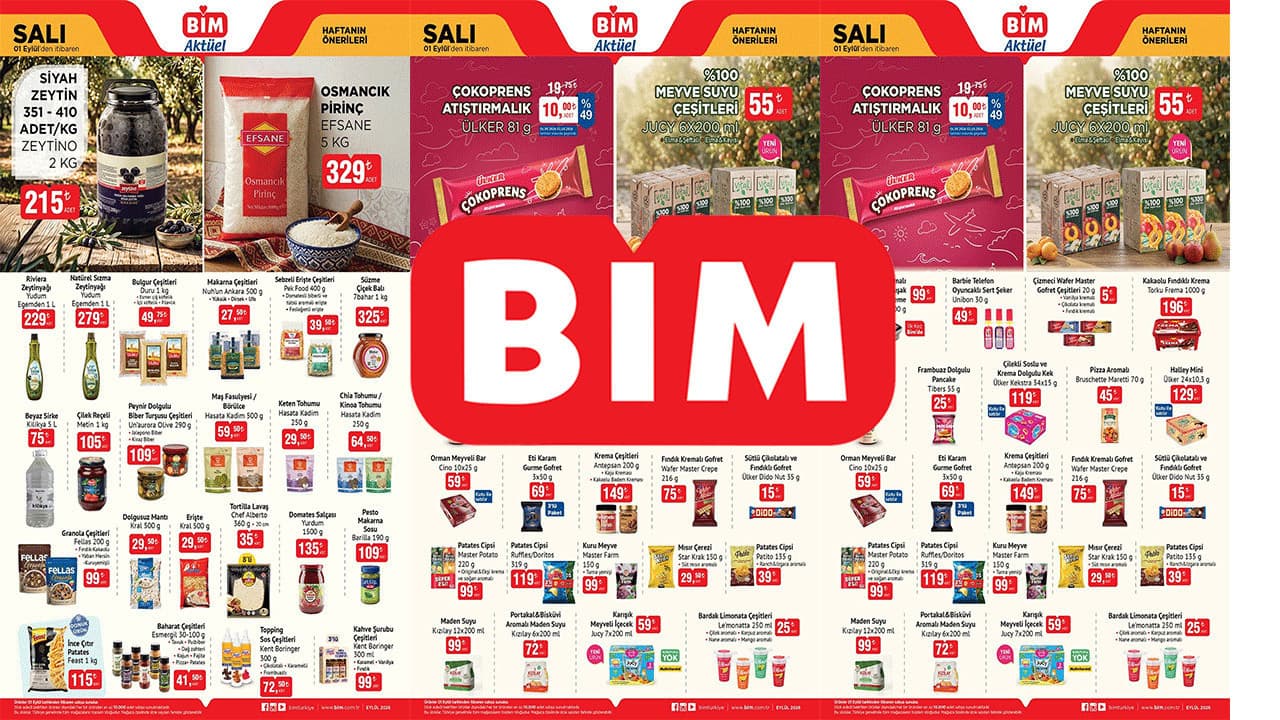
BİM Slashes Food and Detergent Prices: A Fresh Turn in Turkey’s Inflation Landscape

Apple Unveils Foldable iPhone: A Tech Revolution with Market Implications

İZTO Announces Özgener’s Re‑Nomination as Chairman
Latest Market News
All News →
Amazon Triples Nvidia Chip Orders, Shocking Investors: Market Impacts

Fed Fears Send Crypto to the Ground: Bitcoin Falls Below $79,000, XRP Slides 28%

September Central Bank Calendar: Geopolitical Tensions Shape Rate Outlook
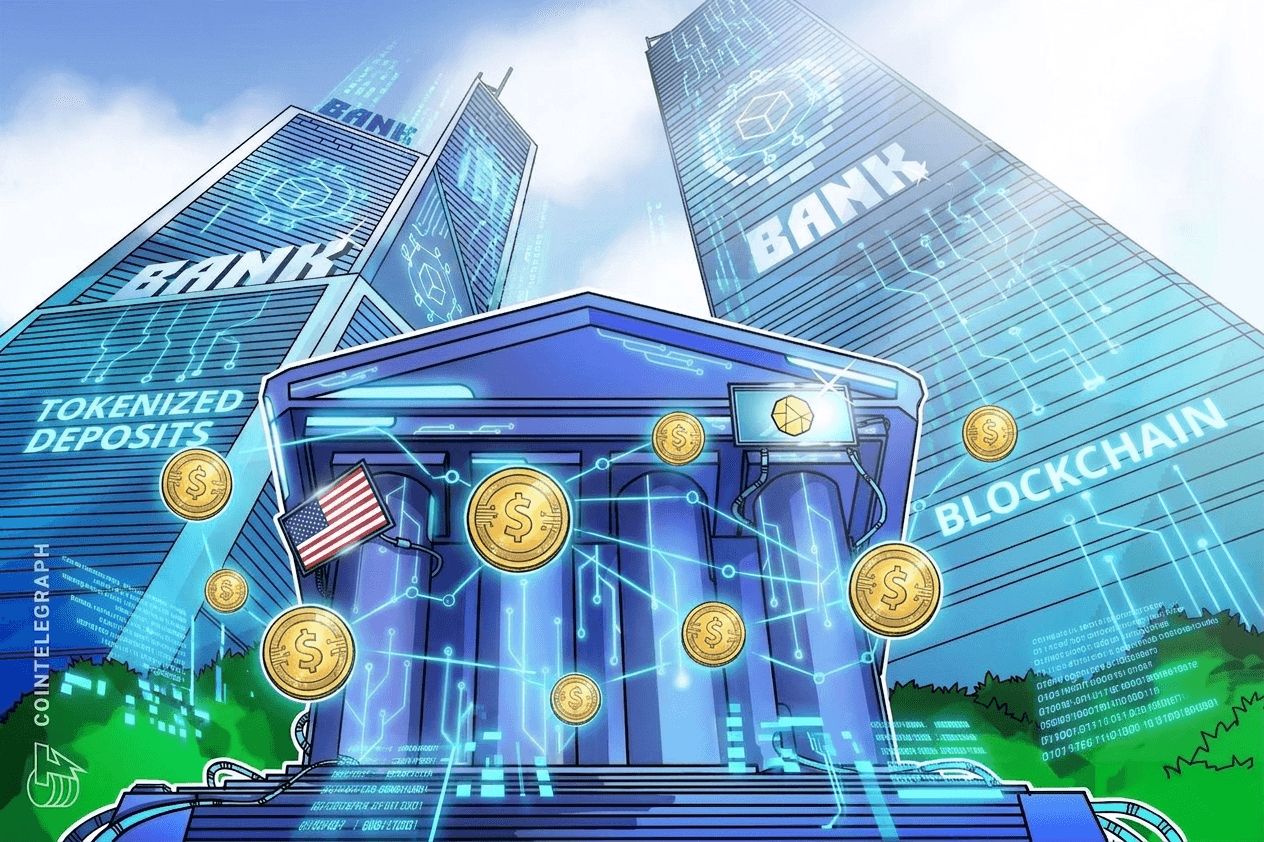
Tokenized Deposits Threaten U.S. Credit Costs: What Investors Need to Know
![[EKOS] EKOS TEKNOLOJİ VE ELEKTRİK A.Ş.
Kurumsal Yönetim Bilgi Formu (Güncelleme) - Yönetim Kurulu-2 - Sürdürülebilirlik Komitesine İlişkin Form Güncellemesi](/_next/image?url=%2Fuploads%2Fkap-default.png&w=3840&q=75)
[EKOS] EKOS TEKNOLOJİ VE ELEKTRİK A.Ş. Kurumsal Yönetim Bilgi Formu (Güncelleme) - Yönetim Kurulu-2 - Sürdürülebilirlik Komitesine İlişkin Form Güncellemesi