Economy

Tehran’s Logistics Pivot: Transforming War Ruins into Strategic Networks
724FinanceZeynep Kaya
Tehran’s Logistics Pivot: Transforming War Ruins into Strategic Networks

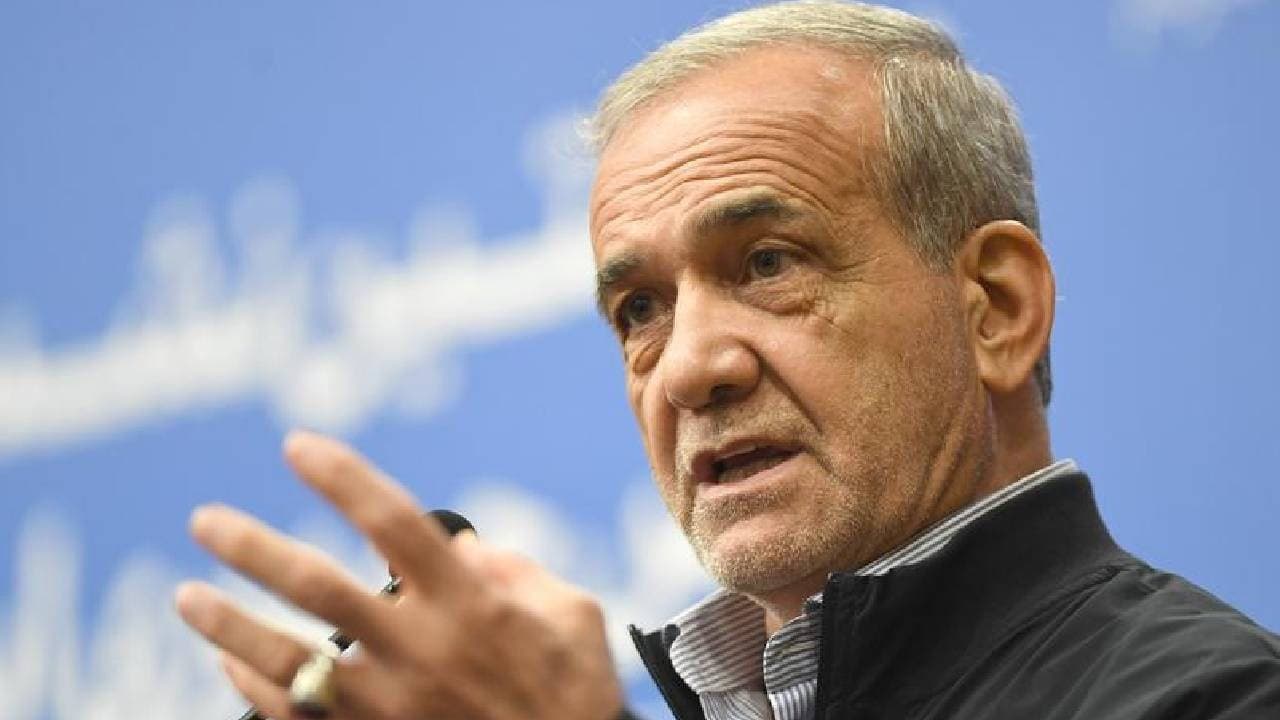
Iranian President Masoud Pezeshkian has launched a comprehensive mobilization to reconstruct critical infrastructure heavily damaged by US attacks. Meeting with Ministry of Transport officials in Tehran, Pezeshkian ordered not only the repair of existing damage but the establishment of a modernized system integrating the most advanced technologies.

Tehran's Logistics Gambit and Modernization Blueprint

The devastation following the attacks has pushed the Iranian administration to fundamentally revise its transport networks. Reports shared by the Presidency indicate that the reconstruction process will focus on the following pillars:

  • Rapidly restoring the functionality of sea, air, and land transport networks.
  • Updating the technological infrastructure of border crossings and customs zones.
  • Increasing efficiency by employing "the best technology" in the repair of damaged areas.
  • Geopolitical Capacity and Regional Connectivity

    Pezeshkian's strategy extends beyond physical repair, aiming to enhance Iran's commercial and political weight in the region. While defining the US interventions as "war crimes," the administration plans to turn this crisis into an opportunity for strategic expansion.

  • Expanding transport networks with neighboring countries to increase trade volume.

  • Completing unfinished railway networks to establish dominance in transit transportation.

  • Maximizing geopolitical capacity by transforming the country's strategic location into a logistics advantage.
  • The aggressive restart of infrastructure investments will place a significant strain on Iran's public finances. However, steps such as railway and customs modernization align with a long-term vision of reducing foreign trade dependency and becoming a regional logistics hub. From a wealth management perspective, infrastructure moves in such high-risk zones only translate into real economic value once political stability is established; the current situation is more of a 'survival and repositioning' strategy.
    Zeynep Kaya

    Financial Analyst: Zeynep Kaya

    Bireysel Kredi ve Tüketici Finansmanı Stratejisti. Mevduat faiz oranlarını, kredi kartı regülasyonlarını ve tasarruf eğilimlerini bireysel servet yönetimi (Wealth Management) standartlarında analiz eden yazar.

    Disclaimer: The investment information, comments, and recommendations contained herein are not within the scope of investment advisory. Investment advisory services are provided individually by authorized institutions, taking into account the risk and return preferences of individuals. The comments and recommendations contained herein are general in nature. These recommendations may not be suitable for your financial situation and your risk and return preferences. Therefore, making an investment decision based solely on the information contained herein may not produce results that meet your expectations.

    © 2026 724Finance - All Rights Reserved.Original Source: Ekonomim.com