
Philippine Peso Nears Historic Low as Geopolitical Oil Surge Squeezes Asian Markets
Orta Doğu'da tırmanan jeopolitik risklerin küresel petrol fiyatlarını yukarı taşıması, enerji ithalatına bağımlı gelişmekte olan Asya ekonomilerinde s
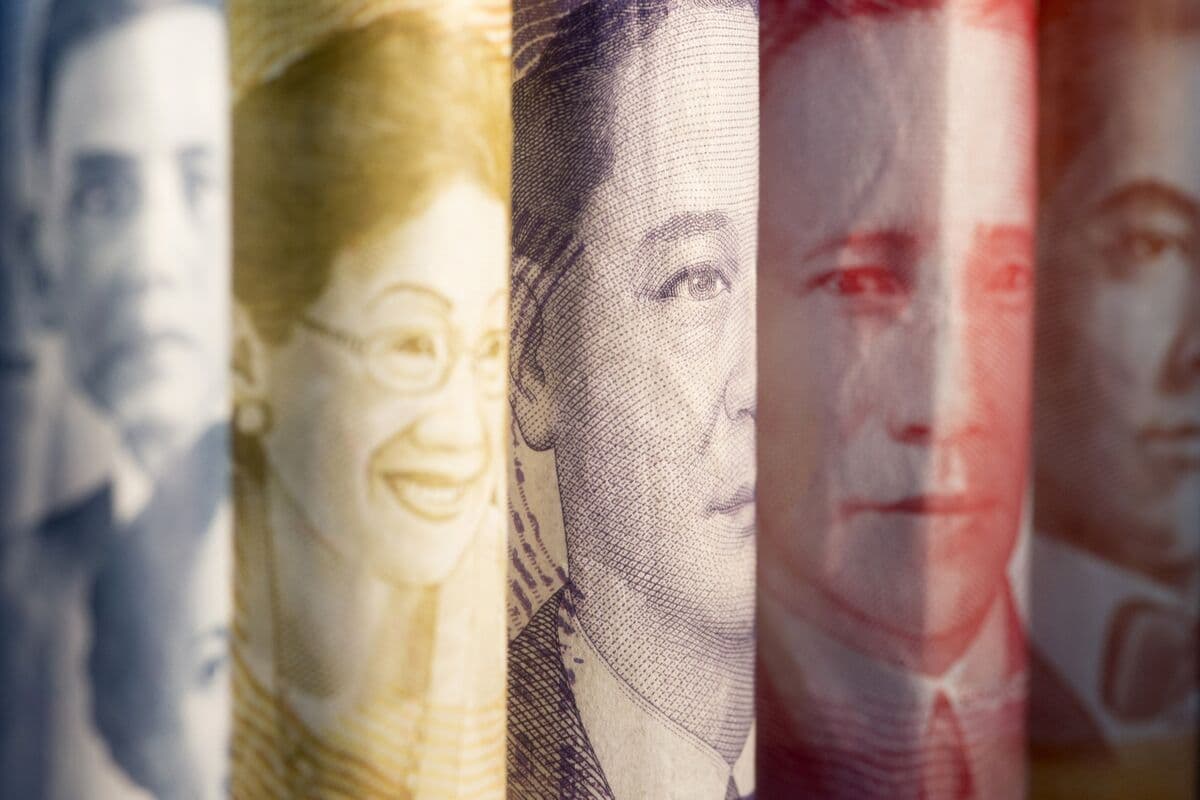
Escalating geopolitical tensions in the Middle East are sending shockwaves through energy-dependent emerging Asian economies as crude prices surge. The Philippine peso is rapidly retreating toward an all-time low, driven by mounting pressure on the nation's trade balance from soaring energy import bills.
Crude Oil Pressure and Current Account Vulnerabilities
Volatility in global commodity markets is exerting severe arbitrage pressure on Asia-Pacific currencies. Net energy-importing nations like the Philippines face acute reserve depletion risks due to ballooning import costs:
Aviation Sector and Jet Fuel Cost Turbulence
Rising crude prices do not just pressure fiat currencies; they directly impact air cargo and passenger aviation—the most sensitive links in the global supply chain. The surge in Jet A-1 prices is compressing airline operational margins and driving air freight rates upward.
From an aviation logistics standpoint, jet fuel accounts for approximately 30% to 35% of airline operating expenses. The devaluation of the Peso combined with soaring crude prices will severely erode margins for carriers operating in the Asia-Pacific corridor. Rising fuel costs at critical regional hubs like Manila could drive air freight pricing for high-tech and semiconductor supply chains up by 15% to 20%. Carriers will inevitably be forced to implement aggressive Fuel Surcharge (FSC) mechanisms to offset these headwinds.
Related News & Analysis
View All →
Brent Crude Climbs to $89.68 on August 27, 2026: Market Dynamics and Strategic Reserve Impact

Healey’s Immigration Forecast Revision Threatens £4 bn Fiscal Headroom

Solana Breaks $100, Bitcoin Surges Past $80,000: A New Fast-Moving Contender in Crypto

Prediction Markets vs. U.S. Government: The Legal Battle Over Kalshi and Polymarket

Le Pen’s Business‑Winning Blueprint and €10 Billion Spending Cut

Alphabet's £260 Million Settlement: The Digital Giant's Legal Exit
Latest Market News
All News →![[NURVK] NUROL VARLIK KİRALAMA A.Ş.
Pay Dışında Sermaye Piyasası Aracı İşlemlerine İlişkin Bildirim (Faizsiz)
/ NRBNK - TRDNVKA22748 ISIN Kodlu Kira Sertifikasının Satışının Tamamlanması](/_next/image?url=%2Fuploads%2Fkap-default.png&w=3840&q=75)
[NURVK] NUROL VARLIK KİRALAMA A.Ş. Pay Dışında Sermaye Piyasası Aracı İşlemlerine İlişkin Bildirim (Faizsiz) / NRBNK - TRDNVKA22748 ISIN Kodlu Kira Sertifikasının Satışının Tamamlanması

BIST 100 Slides as Fed's Warsh Prepares to Speak: Market Awaits Key Signals
BORSA İSTANBUL BISTECH DEVRE KESİCİ UYGULAMASI Pay Bazında Devre Kesici Bildirimi / MRGYO - MRGYO.E işlem sırasında Pay Bazında Devre Kesici Uygulaması devreye girmiştir
[PBT, PBTR] PASHA YATIRIM BANKASI A.Ş. Kurumsal Yönetim İlkelerine Uyum Derecelendirmesi - Kurumsal Yönetim İlkelerine Uyum Derecelendirmesi Revizyonu
[AKSUE] AKSU ENERJİ VE TİCARET A.Ş. Sermaye Artırımı - Azaltımı İşlemlerine İlişkin Bildirim - Tahsisli sermaye artırımı hakkında