
Delta Air Lines Pricing Strategy: Energy Costs and Sector Risks in Focus
Havacılık sektöründe maliyet baskısı sürerken, **Delta Air Lines**'in bilet fiyatlarındaki yukarı yönlü seyrin devam edeceği sinyali geldi. Tüketici i
Amid rising cost pressures in the aviation sector, Delta Air Lines signals a continued upward trajectory in ticket prices. While resilient consumer demand indices offer some relief, unpredictable volatility in jet fuel prices remains a critical pressure point for mid-term financial planning.
Energy Cost Volatility and Sector Risks
Fluctuations in jet fuel prices, constituting the largest portion of operational expenses, represent the aviation industry's primary uncertainty. Despite robust revenue growth, sudden increases in energy costs threaten profit margins. Projections suggest that current fare hikes have temporarily mitigated cost shocks, but persistent oil market volatility may force airlines to adopt flexible capacity management strategies.
Profitability Projections and Demand Dynamics
Delta Air Lines maintains a firm stance on achieving targeted profitability ratios for 2026. Operational revenue forecasts for Q3 exceeding market expectations highlight sustained demand in international routes and premium travel segments. Management emphasizes that fare increases this year have not triggered consumer demand contraction and existing tariff structures will remain intact in the near term.
Market dynamics between energy cost uncertainty and resilient consumer demand complicate the aviation sector's pursuit of financial stability. Pricing strategies by companies like Delta sit at the breaking point of this balance. Fuel price fluctuations could exacerbate sustainability challenges for low-margin carriers. Investments to stabilize energy risks may emerge as a decisive factor for the sector in the coming years.
Related News & Analysis
View All →
August 27, 2026 FX Rates: Dollar and Euro's Latest Levels Against the Turkish Lira

US Beef Import Quota Expansion Aims to Ease Price Pressure
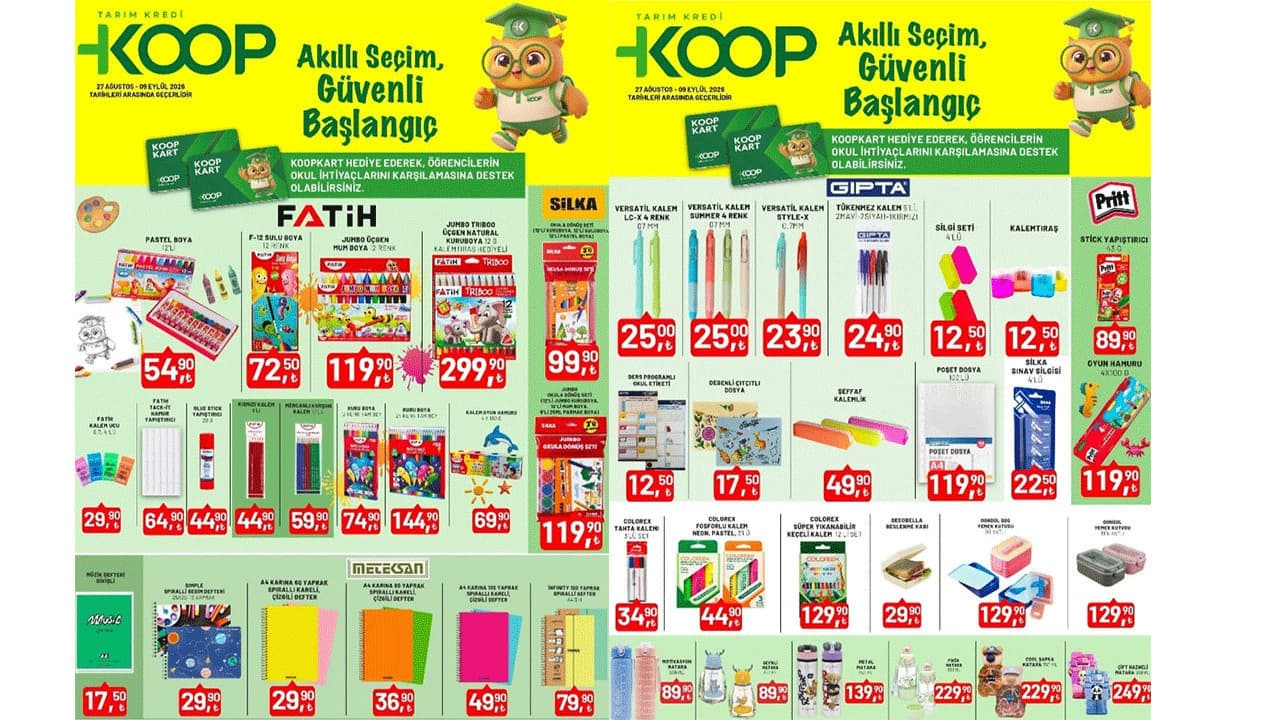
Tarım Kredi Market Launches Major Back‑to‑School Discount Campaign
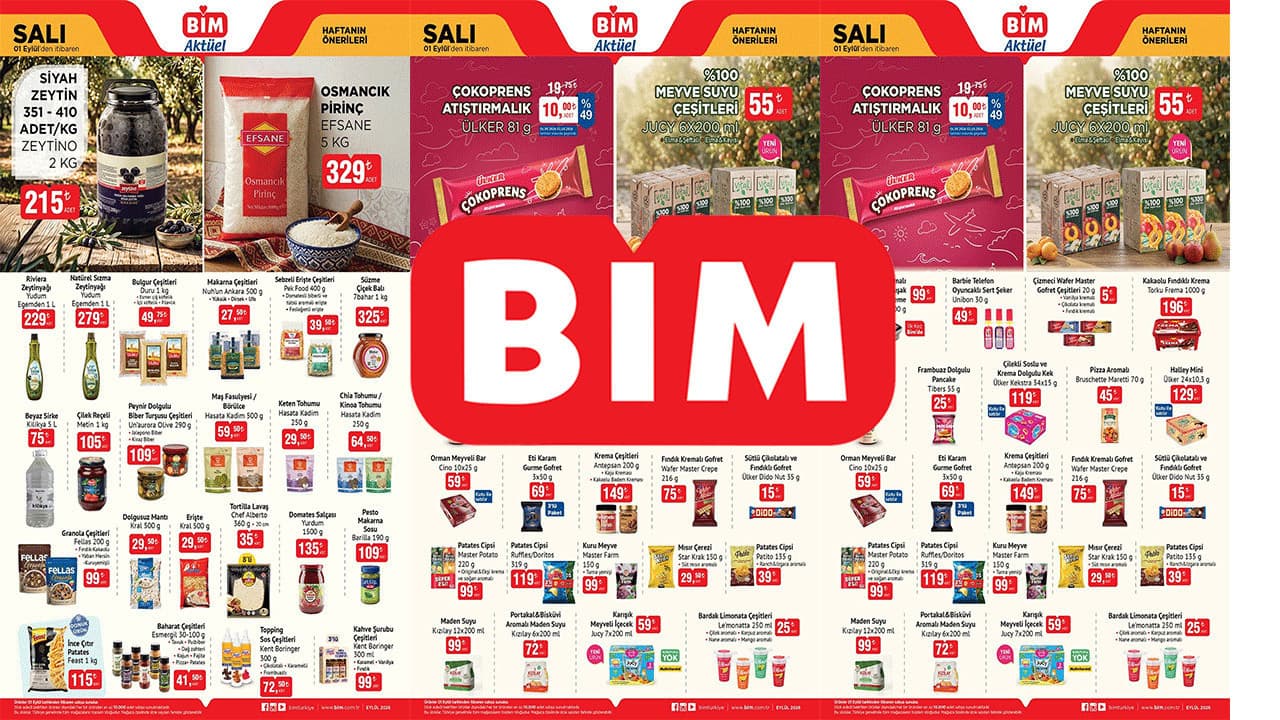
BİM Slashes Food and Detergent Prices: A Fresh Turn in Turkey’s Inflation Landscape

Apple Unveils Foldable iPhone: A Tech Revolution with Market Implications

İZTO Announces Özgener’s Re‑Nomination as Chairman
Latest Market News
All News →
September Central Bank Calendar: Geopolitical Tensions Shape Rate Outlook

Tokenized Deposits Threaten U.S. Credit Costs: What Investors Need to Know
![[EKOS] EKOS TEKNOLOJİ VE ELEKTRİK A.Ş.
Kurumsal Yönetim Bilgi Formu (Güncelleme) - Yönetim Kurulu-2 - Sürdürülebilirlik Komitesine İlişkin Form Güncellemesi](/_next/image?url=%2Fuploads%2Fkap-default.png&w=3840&q=75)
[EKOS] EKOS TEKNOLOJİ VE ELEKTRİK A.Ş. Kurumsal Yönetim Bilgi Formu (Güncelleme) - Yönetim Kurulu-2 - Sürdürülebilirlik Komitesine İlişkin Form Güncellemesi

Jackson Hole Reveals Fed's New Direction: A Market Game-Changer

Instinct Secures $350M Funding, Hits $2.5B Valuation