
Israel's Attacks in Southern Lebanon and 8,500 Pine Trees Fire: Ceasefire in the Shadow of Devastation
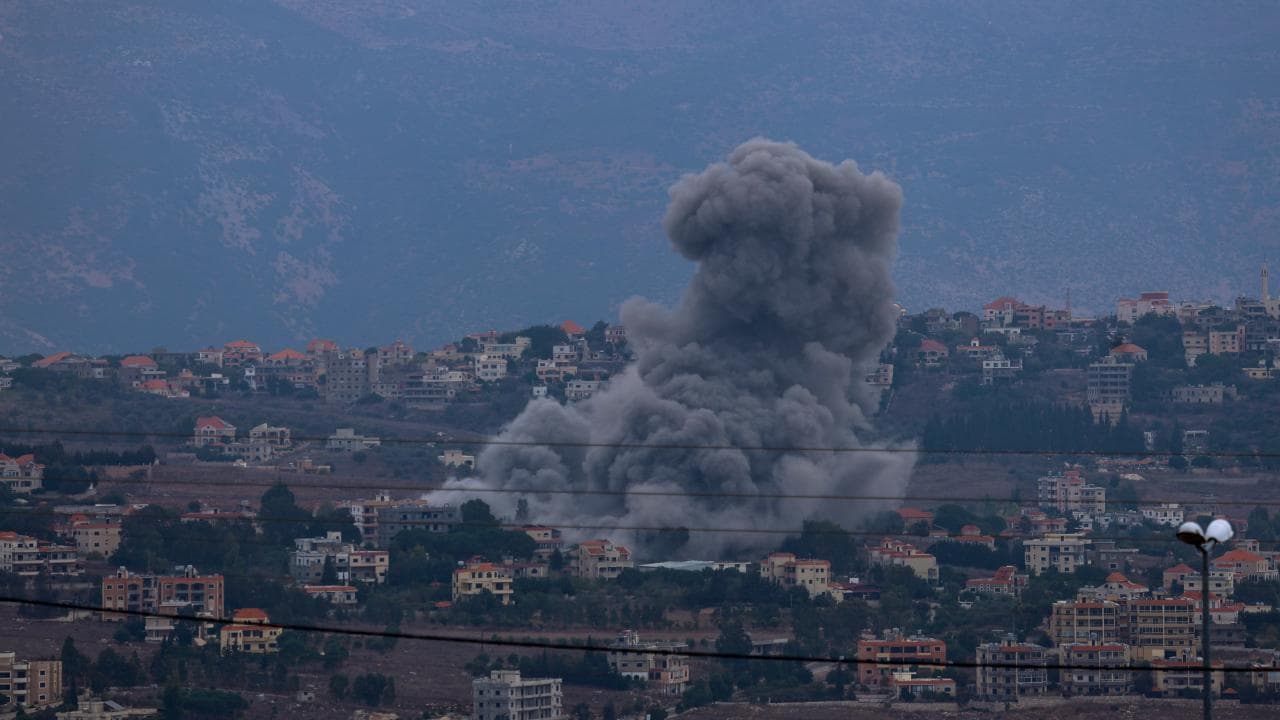
Despite a U.S.-Iran agreement, Israel continued its military operations in southern Lebanon, targeting residential areas and infrastructure in Konin, part of the Bint Jbeil district, with explosives. The Israeli military also launched drone attacks in the Nabatieh Governorate, between Kfar Tebnit and Upper Nabatieh, leading to a massive forest fire in a protected area containing approximately 8,500 pine trees. Firefighters were unable to reach the area due to security risks. The Israeli military announced the killing of an individual affiliated with Hezbollah in the Ali Tahir Hills through an airstrike and confirmed another fatality from a drone attack on a vehicle in the Nabatieh countryside. Additionally, two Israeli drone strikes in Kfar Rumman resulted in one death and one injury. The Lebanese Ministry of Health reported 4,321 fatalities since March 2 due to Israeli attacks. U.S. President Donald Trump extended the 10-day ceasefire by three weeks on April 24, followed by a 45-day extension after negotiations on May 14-15. A 14-point agreement between Iran and the U.S., mediated by Pakistan, was announced on June 14, emphasizing the cessation of hostilities and diplomatic resolution, including in Lebanon. Direct talks between Lebanon and Israel culminated in a framework agreement signed on June 26. The Lebanese government reported over 1 million displaced persons amid the ongoing conflict.
Destruction and Wildfires in Targeted Areas
Casualties and Economic Losses
Global markets are witnessing the destabilizing ripple effects of this conflict, with infrastructure damage and natural disasters posing significant fiscal risks to Lebanon. The U.S.-Iran agreement's viability remains pivotal for energy markets, while prolonged hostilities could elevate regional risk premiums and deter international investors. Savaş Yıldırım, Global Crisis and Breaking News Chief