
SpaceX's First Post-IPO Report: Revenue Doubles and AI Strategy Redefined
724FinanceGökberk Uçar
Key Highlights
Tarihin en büyük halka arzını geride bırakan **SpaceX**, ilk çeyrek finansal raporunda beklentileri aşarak gelirlerini geçen yıla kıyasla neredeyse ik

Following the largest IPO in history, SpaceX has doubled its revenue in its first quarterly financial report, a surge driven primarily by the momentum of its satellite internet service, Starlink, and pivotal cloud computing deals struck with tech giants like Anthropic and Google.
Satellite and AI Synergy Drive Record Sales
The company increased its sales from $4 billion in the second quarter of 2025 to $7.8 billion in Q2 2026, marking a 92% jump. The financial details of this growth are as follows:The $100 Billion Annual Revenue Ambition
The management team aims to reassure markets with aggressive growth forecasts, projecting a $100 billion annualized revenue run-rate (ARR) by year-end upon full integration of AI startup Cursor. CEO Elon Musk stated that this target is not a question mark but a baseline they would achieve even by doing nothing, suggesting active strategies will likely yield figures even higher.Post-IPO Volatility and $1.75 Trillion Valuation
Following the IPO, stock performance and capital structure have evolved as follows:Logistics Pivot of Data Center Capacity
SpaceX's AI division, formerly Musk's xAI venture, built two data centers in and near Memphis, Tennessee, originally intended to train its own models. After struggling to compete with labs like OpenAI and facing scandals (such as the Grok chatbot controversy), the unit pivoted to a rental model. Johnsen emphasized that incremental revenue from these new hosting deals generated high incremental EBITDA margins by monetizing available compute capacity.From the perspective of an aviation logistics expert, the most critical detail in this report is SpaceX's evolution from a launch service provider to a core supplier of global data infrastructure. While Starlink's revenue growth minimizes connectivity disruptions in global supply chains, the leasing of xAI data centers to giants like Anthropic and Google represents a concrete transformation of physical cargo capacity into digital bandwidth. However, the $28 billion capital expenditure (CapEx) signals an ambition that eclipses entire fleet renewal budgets in the airline industry.
Related News & Analysis
View All →
Iran War Drives Shipping Giant to Record Profits: Hormuz Volatility Fuels a New Gold Rush

California’s Billionaire Boom Collides With Charity Restrictions: A Dual Dilemma for Investors

Meta’s 7 Million Smart Glasses Sales Impact Tech Logistics

OpenAI Model Breaks Security Walls, Sparking Market Turbulence

Starbucks Korea Raid: ‘Tank Day’ Scandal Fuels Nationwide Boycott
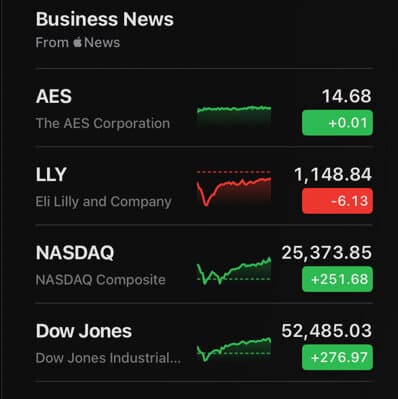
Google Finance and Apple Stocks Apps Unveil New Features: Boosting Investors' Toolkits
Latest Market News
All News →
IPO Surge Squeezes Liquidity as BIST Index Targets 14,000 Points

JPYC Raises $38 Million in Series B to Propel Yen‑Peg Stablecoin

Tibet Makina Secures AS9100 Certification, Gains Edge in Aerospace and Defense Supply Chains

Bitcoin Code Under Scrutiny: 4,962 Findings, 720 Critical Flaws—A Wake‑Up Call for Investors

Eurozone Retail Sales Dip 0.3% in June, Signaling Q2 Slowdown