
Lettuce Scare Slams Yum! Brands and Sweetgreen Shares
724FinanceGökberk Uçar
Key Highlights
Taco Bell, Amerika Birleşik Devletleri genelinde yayılan ve şiddetli ishale neden olan parazit salgını nedeniyle bazı malzemeleri menülerden geçici ol

Taco Bell's decision to voluntarily remove select ingredients as a precaution against a spreading parasite outbreak has sent shockwaves through the restaurant sector, prompting a severe devaluation of stocks heavily reliant on fresh produce.
Operational Retreat Amid Health Alerts
Yum! Brands Inc., the parent company of Taco Bell, stated that it removed items as authorities continue to review the causes of the cyclospora outbreak, though no official link has been confirmed.Market Sentiment Turns Sour on Fresh Produce Risks
The outbreak has triggered immediate volatility in the equity market, particularly for companies with salad-centric menus.The Looming Shadow Over the Supply Chain
Beyond the major chains, smaller establishments are taking drastic measures to ensure customer safety amidst the uncertainty regarding the contamination source.From the perspective of an air freight and logistics analyst, while fresh lettuce is typically a high-volume, low-margin cargo moved via truck, the disruption in the perishable supply chain highlights a critical vulnerability in logistics networks. When contamination fears create localized shortages, the pressure to pivot to rapid transport solutions increases, though cost remains a barrier. The real takeaway here is the fragility of just-in-time supply chains for perishable goods; any biological threat immediately translates into stock volatility and margin compression for major airline-cargo dependent tech and food sectors alike.
Related News & Analysis
View All →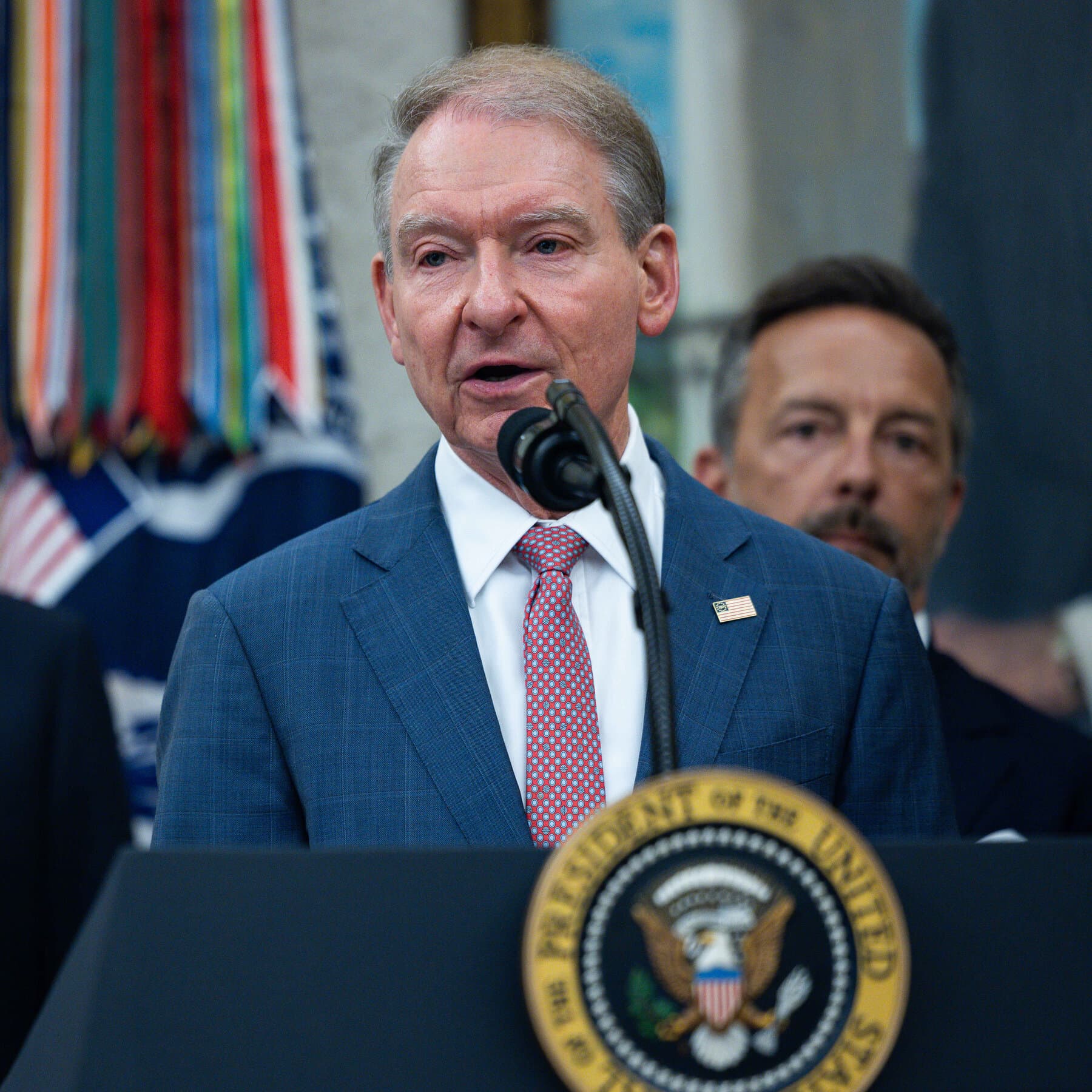
SEC Draft Could Lighten Corporate Disclosure Burden, Threaten Investor Transparency
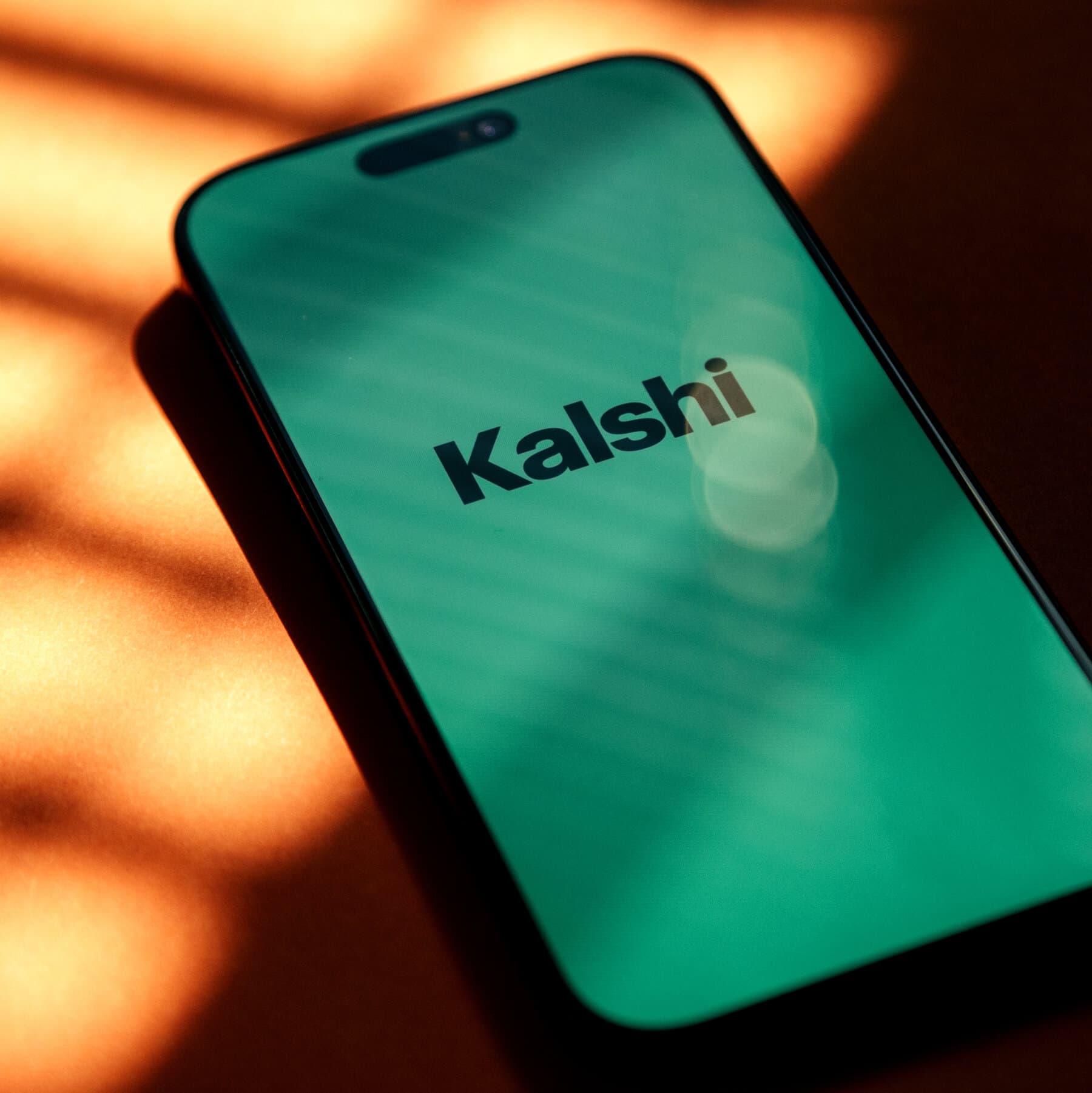
Will Prediction Markets Be Treated as Gambling? U.S. Court Issues Stark Ruling

Kevin Warsh's Jackson Hole Speech: Fed's Minimal Communication Policy and the Fear of Inflation

Trump to Take Control of 65 Billion Barrel Venezuelan Oil

Warsh's Jackson Hole Address: Unveiling the Fed's New Era
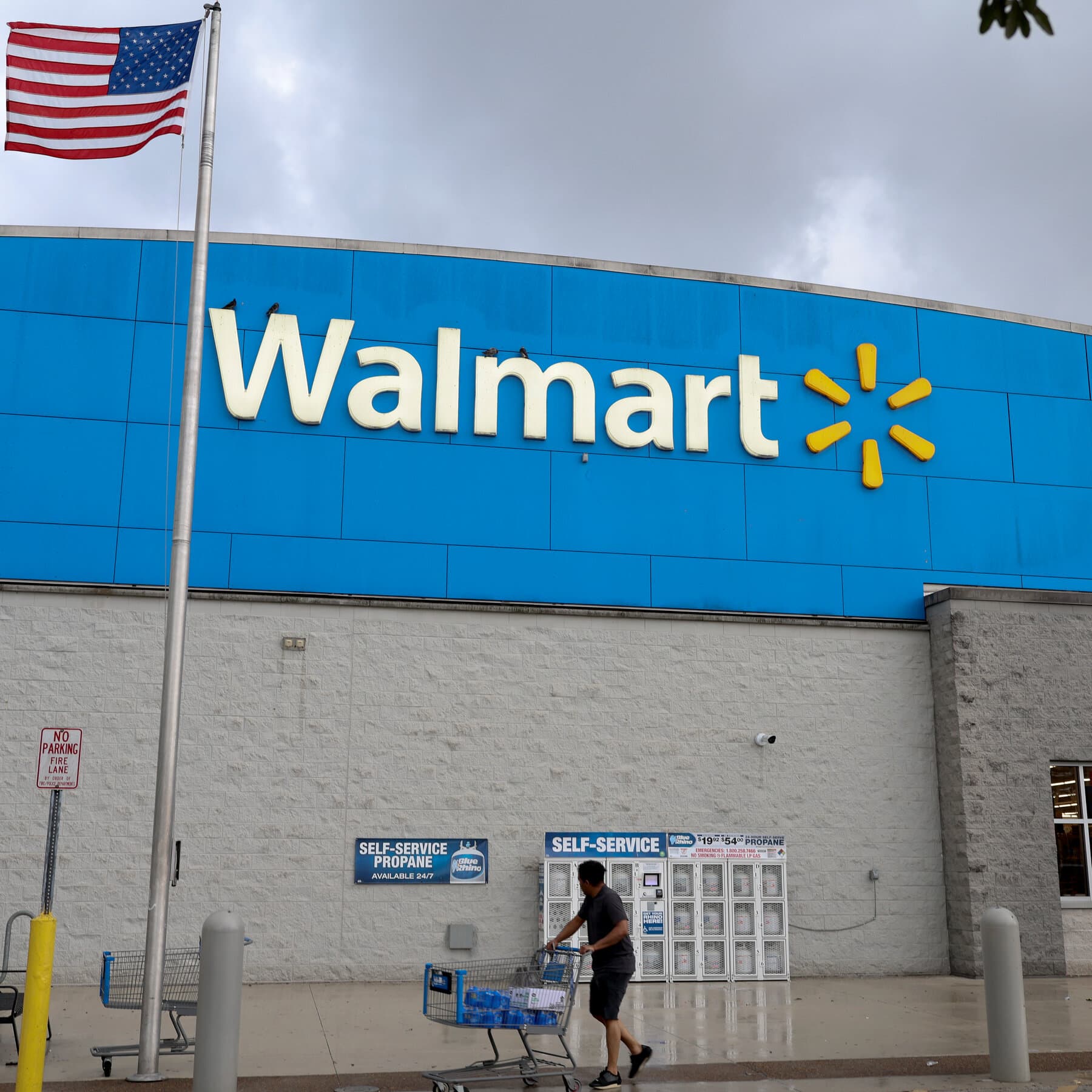
Walmart’s $50 Million Opioid Settlement: Market and Regulatory Shockwaves
Latest Market News
All News →SEC Draft Could Lighten Corporate Disclosure Burden, Threaten Investor Transparency
Will Prediction Markets Be Treated as Gambling? U.S. Court Issues Stark Ruling
Kevin Warsh's Jackson Hole Speech: Fed's Minimal Communication Policy and the Fear of Inflation
Trump to Take Control of 65 Billion Barrel Venezuelan Oil
Warsh's Jackson Hole Address: Unveiling the Fed's New Era