
Agriculture Sector Becomes 'Shadow Banking' Hub: 18-Month Terms Erode Capital
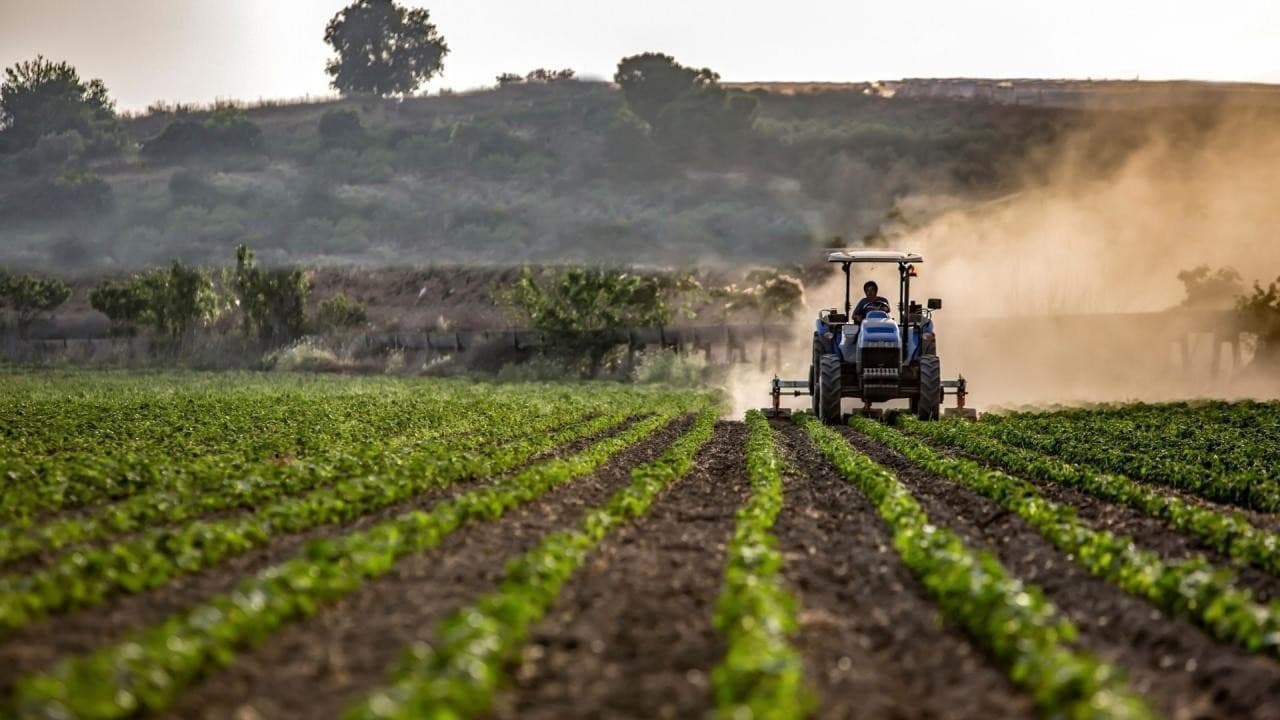
The most fragile link in Turkey's agricultural strategy lies hidden within record payment terms that paralyze producers' cash flow and force suppliers into de facto banking. Harun Öztürk, Vice President of the West Mediterranean Exporters' Association (BAİB), emphasizes that thousands of firms in the supply chain have transformed from producers into financial institutions awaiting collection, creating an unsustainable capital erosion.
The 'Shadow Banking' Trap in the Supply Chain
According to sector representatives, payment terms applied to essential inputs like seedlings, seeds, fertilizers, and pesticides have crossed commercial boundaries to become a financing crisis. Payment terms extending to 8, 10, 12, and even 18 months are fundamentally shaking the functioning of the supply chain.
Capital Erosion and Stagnation of Investment
According to Öztürk's assessments, the price of this financing model is heavy. Stating that "This is not trade, it is the private sector taking on the financing of agriculture," Öztürk notes that the current structure stifles investment appetite and weakens competitive power. Firms allocating their capital to collection management instead of production struggle to make a mark in global markets.
Structural Transformation Imperative for Food Security
It is expressed that the future of agriculture can only be saved by changing the financing model, not just through subsidies. The following steps stand out as a strategic necessity for food supply security and export future:
From the perspective of Rüzgar Ersoy, viewing this through the lens of banking NIM (Net Interest Margin) and risk management, the financing burden borne by suppliers indicates a gap in the banking sector's penetration of the agriculture segment. Fintech solutions, particularly Supply Chain Finance and receivables insurance integration, are crucial here. Banks must assume this risk directly to resolve the liquidity crunch of suppliers, optimizing SYR (Capital Adequacy Ratios) and ensuring sustainable sector financing.