The 2026 Divergence: Capital Flows Battle Among Magnificent 7 ETFs
724FinanceBora Yalın
Key Highlights
Son üç yılda Wall Street'in tek ticareti buydu: Magnificent 7'ye sahip olmak. Apple, Microsoft, Nvidia, Amazon, Alphabet, Meta ve Tesla, S&P 500 getir
For three years, owning the Magnificent 7 was the only trade that mattered. These seven giants—Apple, Microsoft, Nvidia, Amazon, Alphabet, Meta, and Tesla—drove the majority of the S&P 500's gains, coming to represent more than a third of the entire index. However, 2026 has painted a starkly different picture; the group is on track for its worst year since 2022, forcing investors to rethink concentration risks and capital efficiency in their portfolios.
The Fragmentation of a Monolith
2026 has proven that the Magnificent 7 is no longer moving as a single bloc but is experiencing a dramatic performance dispersion. In a search for yield and safety, the macro divergences within the group have deepened significantly:The Three Capital Vehicles: MAGS, MGK, and QQQ
Three major ETFs that hold all seven Magnificent 7 stocks are catering to investor demand for exposure, each employing distinct strategies in capital allocation. When analyzed by asset management and cost structures, the landscape is as follows:Derivative Risks and Cash Flows
The structure of the MAGS fund presents an asymmetric risk profile compared to a standard equity fund. As of July 29, the fund's reported portfolio was heavily weighted toward 58.3% Treasury bills, 8.4% in an ultra-short duration ETF, and cash assets, with direct stock positions only around 23%. While this structure provides the intended economic exposure, it carries the potential for extra volatility and counterparty risk from derivative instruments during liquidity crunches.This divergence in the markets signals the end of the indiscriminate risk-on cycle and the onset of selective capital flows. Investors are no longer just saying "tech," they are asking "which tech and which growth?" The inability of swap-based structures like MAGS to physically deliver during a liquidity squeeze could increase their spread costs. In my view, at this stage, physically-backed vehicles with deeper liquidity like MGK and QQQ serve as safer harbors for capital preservation.
Related News & Analysis
View All →
Disney+ Overhauls Strategy with User-Generated Content Integration
SpaceX’s AI Investments Shock Investors: Rapid Payback and a $100 Billion Goal

A Neutral Path Forward: How a UN‑Backed Plan Could Reshape Hormuz, Energy, and Food Markets
Divergence in the Consumer Confidence Barometer: Disney Rises as Universal Dips

Next Boosts Profit Outlook on Summer Spending, Targets £1.2bn Pre‑Tax Profit
He Begged on His Knees for a Rolex: How Luxury Watches Are Outperforming the S&P 500
Latest Market News
All News →Disney+ Overhauls Strategy with User-Generated Content Integration
Spot Bitcoin ETFs Attract $382M Inflows as Cold Wallet Hack Rekindles Custody Debate
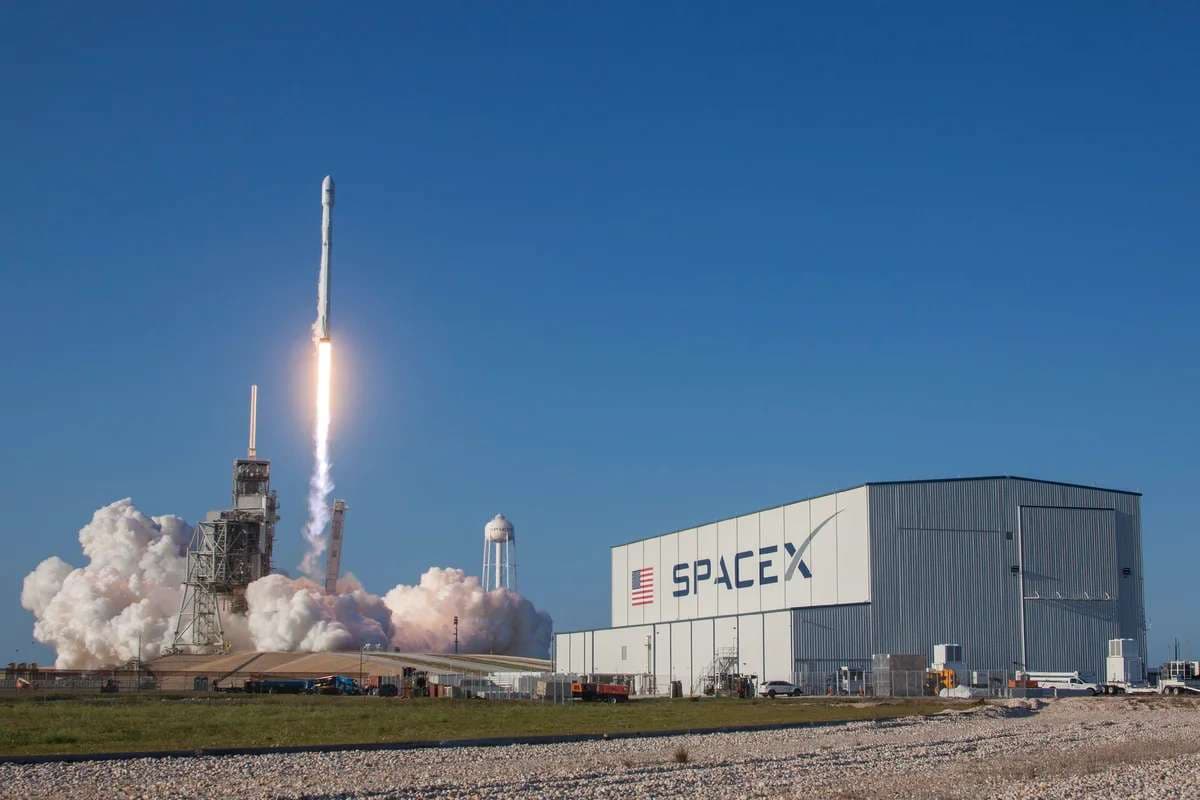
SpaceX Shares in Turbulent Waters: Diverging Target Prices

Trabzonspor's Mohamed Salah Move: A Strategic Play Impacting Stock and Brand Value
SpaceX’s AI Investments Shock Investors: Rapid Payback and a $100 Billion Goal