S&P 500 Concentration Risk: Is the "Free Lunch" of Mega-Cap Tech Nearing Its End?
Uzun vadeli servet birikiminin altın standardı olarak kabul edilen ve **Warren Buffett**’ın ünlü %90 endeks, %10 kısa vadeli tahvil formülüyle taçland

Long heralded as the gold standard of wealth accumulation and famously championed by Warren Buffett’s 90/10 index-and-treasury rule, low-cost S&P 500 funds have more than quadrupled in value over the past decade. However, this market-cap-weighted juggernaut now harbors unprecedented concentration risks due to the sheer outperformance of the technology sector. With information technology and communication services accounting for nearly half of the index's total weight, global investors seeking long-term stability are facing a silent structural shift.
The Tech-Heavy Index: Echoes of the 2000 Dot-Com Era?
According to Mitch Goldberg, president of ClientFirst Strategy, today's S&P 500 is far from the diversified basket of previous generations. The information technology sector alone commands roughly 37% of the total index value, and adding communication giants like Meta and Netflix pushes this figure close to 50%. To put this structural imbalance into perspective:
Strategic Alternatives: Equal-Weight, Emerging Markets, and Short-Term Treasuries
The premium valuations of S&P 500 giants are making alternative asset classes historically attractive. Todd Rosenbluth, head of research at TMX VettaFi, notes that small-cap and international equities, such as the iShares Core S&P Small-Cap ETF (IJR) and the iShares Core MSCI Emerging Markets ETF (IEMG), have begun outperforming the broader index this year.
To mitigate volatility and capture non-correlated returns, investors should consider several tactical adjustments:
The balance sheets of mega-cap giants like Nvidia, Microsoft, and Apple—the vanguards of the global artificial intelligence (AI) revolution—now hold unprecedented sway over the direction of the S&P 500. The supply-demand dynamics of the semiconductor market and the sustainability of corporate AI capital expenditures have effectively superseded traditional macroeconomic indicators. Investors must guard against recency bias, assuming that yesterday's winners will indefinitely fuel tomorrow's gains. Any regulatory headwinds in AI or bottlenecks in the global chip supply chain could trigger rapid, synchronized drawdowns in highly concentrated portfolios. In the AI era, diversification is not about sacrificing upside; it is an essential insurance policy against inevitable volatility. Dr. Selen Yılmaz.
Related News & Analysis
View All →
Asia’s Hydrogen Bet: Railways Emerge as the New Frontier in Clean Energy Rivalry

Andrew Yang’s AI Tax: Subsidizing a Technology That Will Replace Millions

US Forces Nations to Choose Sides in AI Race

Rivian Autonomy+ vs. Tesla FSD: The Driver Assistance Duel and Investment Implications

Data Centers in Space: Tech Giants' Orbital Ambitions Force Insurers to Redefine Risk

Arm Co-founder Hauser’s AI Warning: The Revolution is Real, But the Bubble Risk Looms
Latest Market News
All News →
SpaceX’s Natural Gas Trading Initiative Signals a New Era of Energy Innovation

Mourinho's 'Bullying' Criticism of Vinicius: New Chapter in Real Madrid's Internal Struggle
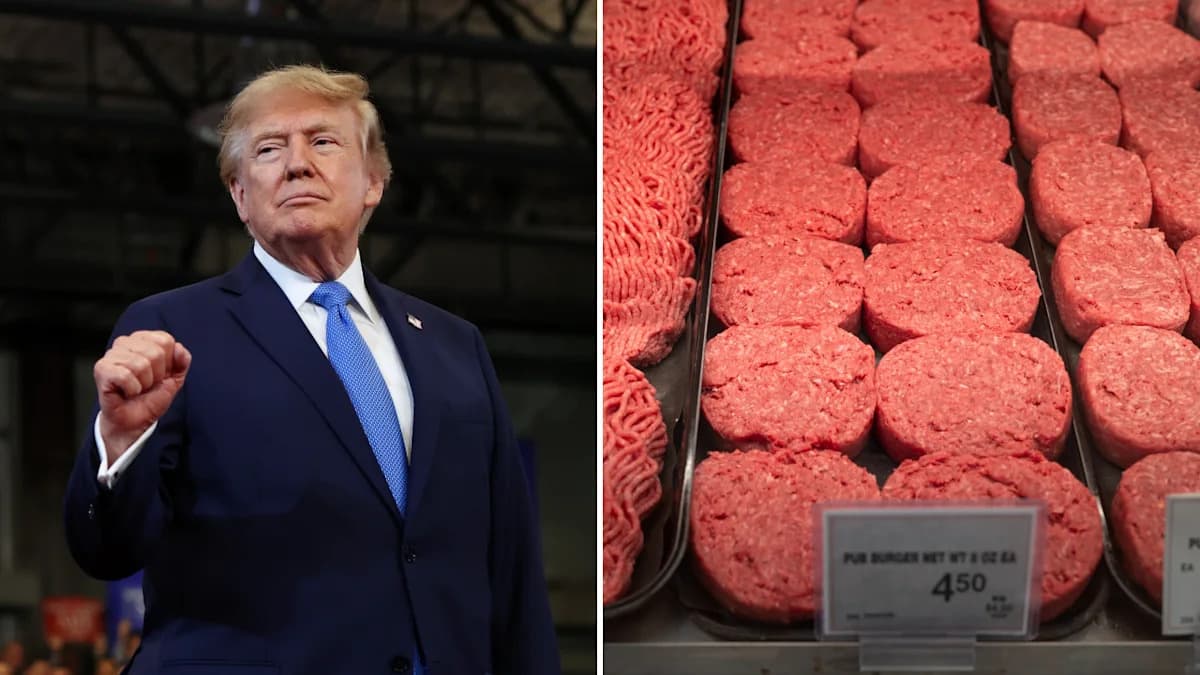
Trump's 25% Discounted Ground Beef Policy: Market Impact and Investment Opportunities

U.S.-Canada Trade Collapse: Steel & Aluminum Capital Loses $15 Billion