
Barcelona Declares 'No More Growth': The Economic Shock of Capping 16 Million Tourists
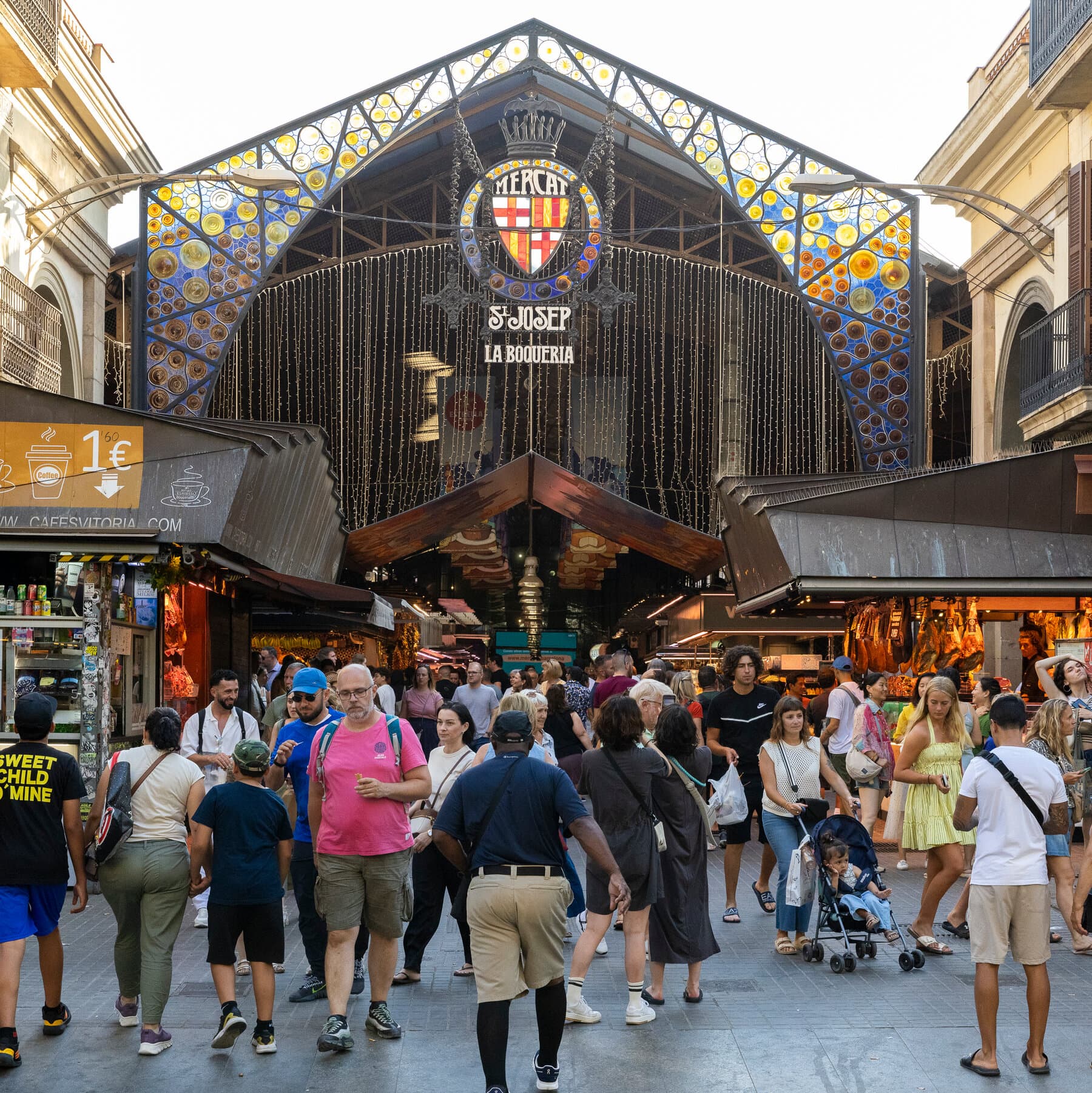
The capital of Catalonia, Barcelona, has officially declared it has reached the "absolute limit" on global tourism maps, preparing for the harshest policy shift that will fundamentally alter the city's economic structure. The city's new Commissioner for Sustainable Tourism, José Antonio Donaire, is charting a course that shocks investors and sector players alike upon taking office: "Not one tourist more." This approach is not merely an environmental act but a macro-economic signal set to overturn revenue models in the region's hospitality, transport, and retail sectors.
The 'Zero Growth' Doctrine in Catalonia
Donaire's appointment represents a radical break in Barcelona's strategy to cope with the annual influx of 16 million visitors. Increasing urban density and living costs are pushing the local government away from a tourism-centric growth model.
A Paradigm Shift in Investor Sentiment
For businesses dependent on tourism revenues and real estate investors, this situation creates a "regulatory risk" outside the classic demand-supply balance. The city is positioning the increasing number of tourists not as an economic opportunity, but as a cost item.
Markets must approach this with caution when pricing long-term growth scenarios for Barcelona-based tourism and hospitality assets. The implementation of a "de-growth" economic model can raise the cost of capital and shift foreign investment flows to alternative destinations with less regulation. This is a structural breakpoint that pushes the risk premium of regional assets higher, even during periods of liquidity abundance.